🥗 A Recovery Routine After Overeating (Next-Day Plan)
✅ Key Takeaway
Overeating can leave you feeling sluggish, bloated, and uncomfortable the next day. A focused next-day recovery plan can assist in resetting your system and promoting well-being. This plan is about realigning with healthier habits without resorting to drastic measures.
- 🟢 Good for those who occasionally indulge and want a simple reset
- ⚠️ Caution for individuals with digestive disorders or on specific medications
- 🎯 Best done through hydration, balanced meals, and gentle movement
- ❌ Biggest mistake is skipping meals to "compensate"
- 💡 Next step: Start your day with a large glass of water
🧠 Why This Matters
After a day or night of indulgence, it's common to experience digestive discomfort and fatigue. These symptoms can affect your performance at work or during daily activities. By recognizing the importance of a recovery routine, you can ease digestion, stabilize energy levels, and improve overall well-being the next day.
🔬 What the Science Says
Overeating can disrupt normal digestion and increase blood sugar levels, leading to fatigue and discomfort. Simple steps like hydration help the kidneys to manage excess sodium, while balanced meals can stabilize blood sugar. Gentle exercise aids digestion and boosts mood by promoting endorphin release. Current evidence supports these practical actions as beneficial without needing drastic changes.
⚖️ Benefits vs Downsides
- 😊 Benefits:
- Improves digestive comfort
- Helps stabilize blood sugar levels
- Boosts energy and mood with gentle activity
- Supports hydration and nutrient balance
- Promotes mindful eating habits
- Provides a practical approach without extreme measures
- ⚠️ Downsides/Cautions:
- May be challenging for those with specific dietary restrictions
- Could miss important nutrients if meals are overly restricted
- Gentle movement may be difficult with severe bloating
- Does not substitute for ongoing nutritious eating habits
🎯 The Best Way to Apply This
- 1. 🌄 Begin with Hydration: Drink a large glass of water to kickstart your metabolism and aid digestion.
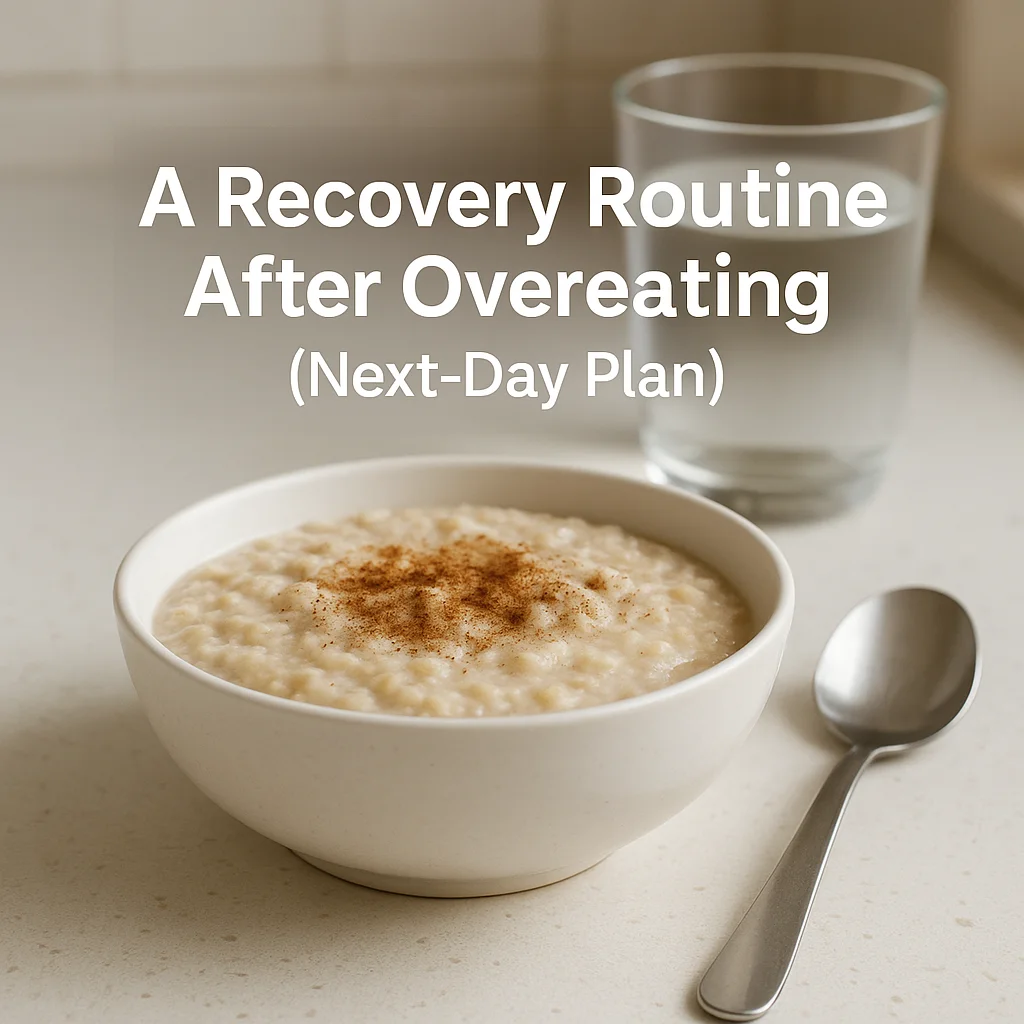
- 2. 🍏 Opt for a Light Breakfast: Choose a balanced meal with protein and fiber, like oatmeal with fruits.
- 3. 🏃♀️ Engage in Gentle Movement: A short walk or light yoga can help with digestion and boost energy.
- 4. 🍲 Eat Balanced Meals: Include lean proteins, complex carbs, and a variety of vegetables in your meals.
- 5. 💧 Maintain Hydration: Keep sipping water throughout the day to support metabolic processes.
- 6. 🌙 Prioritize Sleep: Aim for a good night's rest to allow your body to recover fully.
⏰ Timing, Portions, and Frequency
Generally, it is helpful to start the morning with water, then have a light meal within an hour of waking. Aim to hydrate consistently, without overdoing it, and eat regular, balanced meals. Avoid very large portions; instead, choose modest servings that include a mix of nutrients.
🤝 Best & Worst Pairings (Food Combos)
- 👍 Pairs well with:
- Whole grains and lean proteins
- Fresh fruits with yogurt
- Vegetables with a source of healthy fats, like avocado
- Herbal teas with a low-caffeine content
- 👎 Be careful combining with:
- High-sugar processed foods, which can spike blood sugars
- Excessive caffeine, which may impact hydration
- Alcohol after overeating, as it burdens digestion further
🚦Who Should Be Careful
- Individuals prone to digestive issues like reflux
- Those with conditions affecting hydration or electrolyte balance
- People on medications affecting digestion or appetite
- If unsure about suitable foods or activities, talk to a pharmacist or clinician.
🧩 Common Mistakes and Fixes
- Skipping breakfast → Have a small, balanced meal
- Over-restricting calories → Focus on nutritious, moderate meals
- Ignoring water intake → Keep a water bottle handy for consistent sipping
- Engaging in strenuous exercise → Choose gentler forms of movement
- Relying on caffeine → Limit intake to avoid dehydration
- Eating heavy meals to "cure" bloating → Incorporate lighter options with fiber
- Sleeping too little → Plan for an early, restful night
- Continuing overeating → Incorporate mindful eating practices
- Avoiding all fats → Use healthy fats like avocados in moderation
📋 Quick Checklist
- Start with water in the morning
- Choose a light, balanced breakfast
- Engage in gentle movement, like walking
- Plan balanced meals with lean proteins and veggies
- Maintain good hydration throughout the day
- Consider herbal teas to aid digestion
- Avoid excessive sugary or processed foods
- Limit caffeine intake
- Prioritize sleep for recovery
- Promote mindfulness during meals
- Recognize your body's hunger and fullness cues
- Monitor portion sizes
📌 Summary
- Establish a “reset” day with hydration and balance
- Hydration, light meals, and gentle movement are key
- Caution for those with specific health conditions
- Start with a big glass of water to reset naturally
- Avoid extreme reactions like skipping meals
- Monitor what's best for your individual comfort
- Pair nutrient-dense foods with mindful eating
- Stay flexible and adapt to your body’s cues
- Address discomfort calmly with a practical plan
- Reinforce healthy habits for future moments