🥗 A “Swap Strategy” to Fix Snacking Habits
✅ Key Takeaway
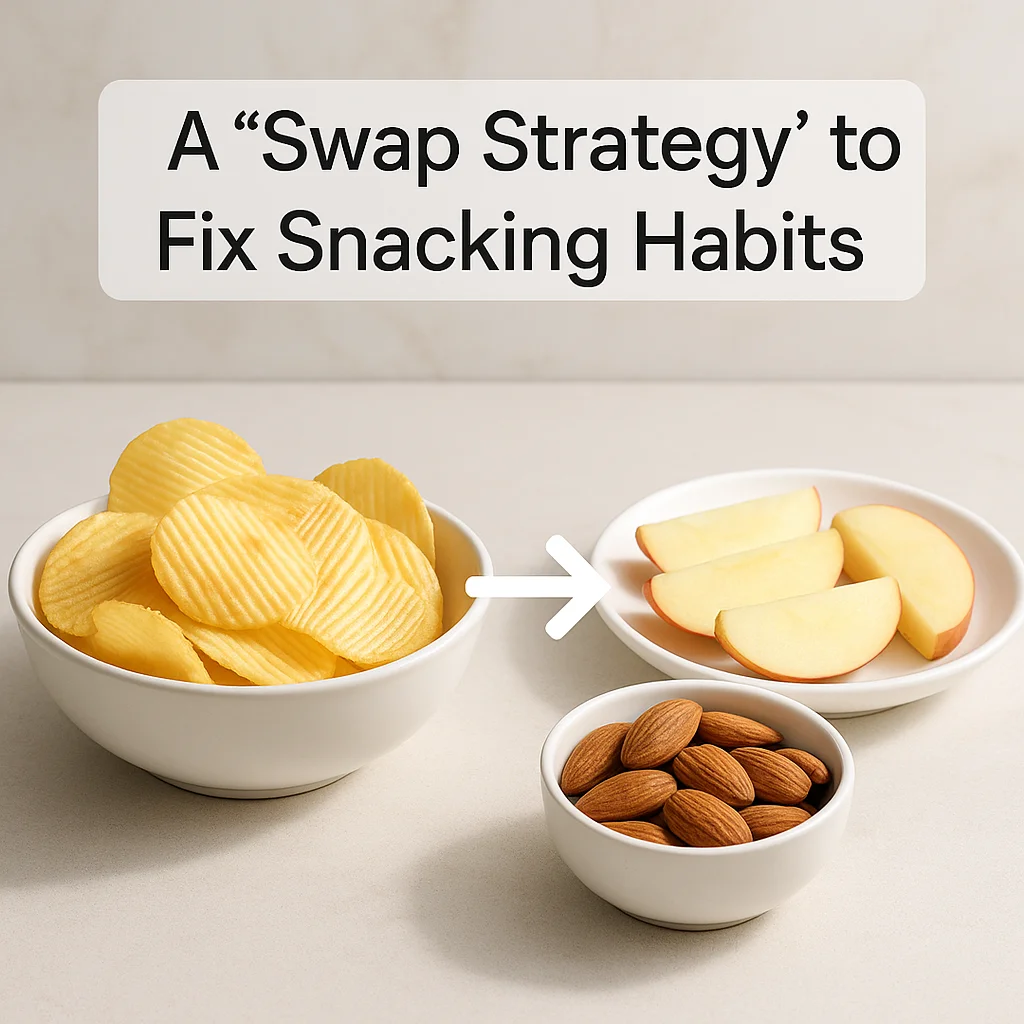
The "swap strategy" for snacking is a straightforward way to improve your diet by replacing less healthy snack options with more nutritious alternatives. This approach helps maintain energy levels, reduce cravings, and supports better digestion without drastic restrictions.
- Usually good for: People looking to improve their diet without sacrificing flavor
- Who should be cautious: Those with specific dietary restrictions (e.g., allergies)
- Best simple way to do it: Swap high-calorie, low-nutrient snacks for whole foods
- Biggest mistake people make: Forgetting to plan ahead for cravings
- One practical “next step”: Identify one daily snack to swap this week
🧠 Why This Matters
Snacking habits can significantly impact your overall health. Many people struggle with energy dips, cravings, and digestive issues, often linked to poor snacking choices. Globally, the prevalence of convenient, processed snacks contributes to these problems. A conscious effort to swap such snacks can lead to sustained energy, better sleep, and improved well-being.
🔬 What the Science Says
Swapping snacks involves understanding how different foods affect your body's digestion, satiety, and blood sugar levels. Whole foods, rich in fiber and nutrients, often lead to a more stable blood sugar response, reducing energy crashes and prolonged hunger. Research suggests that choosing nutrient-dense snacks can help balance energy throughout the day.
⚖️ Benefits vs Downsides
- Benefits:
- Supports stable energy levels
- Helps manage cravings
- Improves digestion
- Boosts nutrient intake
- Downsides:
- May require more preparation time
- Initial trial and error in finding satisfying swaps
- Some healthy swaps may not be suitable for everyone (allergies)
- Could be more expensive
🎯 The Best Way to Apply This
- Identify your current snacking habits
- Choose healthier alternatives for common snacks
- Keep healthy swaps easily accessible
- Experiment with new flavors and textures
- Review and adjust swaps as needed
⏰ Timing, Portions, and Frequency
Timing your snacks can be crucial in maintaining energy and managing hunger. Consider consuming snacks between meals, focusing on portion sizes such as a handful of nuts or a small bowl of yogurt. If swapping snacks with vegetables, aim for a palm-sized portion to start.
🤝 Best & Worst Pairings (Food Combos)
- Pairs well with:
- Whole grain crackers with hummus
- Fruit with a small handful of nuts
- Greek yogurt with berries
- Be careful combining with:
- Sugary drinks
- High-fat fried foods
- Heavily processed food items
🚦Who Should Be Careful
Certain groups should be mindful of how they implement the swap strategy. People with food allergies need to ensure their swaps do not trigger reactions. Those on specific medication regimens should discuss dietary changes with a pharmacist or clinician to avoid potential interactions.
🧩 Common Mistakes and Fixes
- Mistake: Ignoring portion sizes → Fix: Use visual cues like “a handful”
- Forgetting to plan ahead → Fix: Keep healthy snacks within reach
- Choosing swaps with hidden sugars → Fix: Read ingredient lists carefully
- Skipping snacks entirely → Fix: Plan small meals to prevent overeating later
- Focusing only on calories → Fix: Prioritize nutrient density
- Becoming bored with choices → Fix: Regularly try new snack options
📋 Quick Checklist
- Identify one snack to swap today
- Have fruits and veggies easily accessible
- Keep portions in check with visual aids
- Stay hydrated to help manage hunger
- Mix textures (e.g., crunchy, creamy) for satisfaction
- Choose snacks that sustain energy longer
- Minimize processed foods
- Plan for busy days with portable snacks
- Read labels for added sugars
- Consider nut butters for a protein boost
- Mentally prepare for cravings
- Review snack swaps regularly
📌 Summary
- The "swap strategy" helps improve snacking habits
- Start by swapping one snack daily
- Understand who needs to be cautious
- Easiest habit: Keep healthier snacks visible
- Benefit: Supports stable energy and reduces cravings
- Downside: May require preparation
- Best practice: Consider portion sizes
- Pair with nutrient-rich options
- Initial cost may be higher
- If unsure, consult a professional