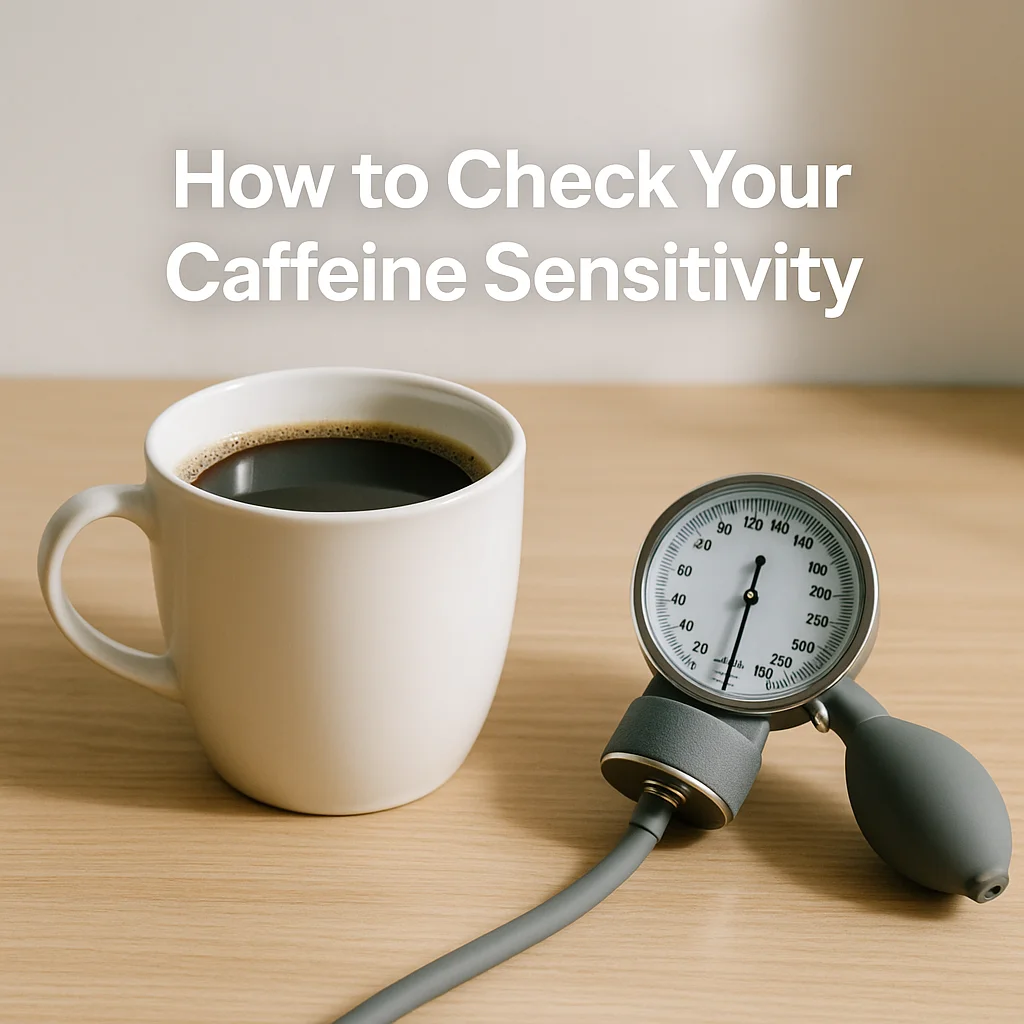
🥗 How to Check Your Caffeine Sensitivity
✅ Key Takeaway
To check your caffeine sensitivity, pay close attention to how your body reacts to different amounts and timing of caffeine consumption. Notice your energy levels, sleep quality, and physical symptoms to determine your sensitivity level.
- Good for individuals looking to optimize their daily energy and sleep quality.
- Those with existing sleep problems or anxiety should be cautious.
- The best way is to gradually reintroduce caffeine and observe changes.
- The biggest mistake is ignoring symptoms like jitters and insomnia.
- Next step: start a two-week self-observation to track caffeine impacts.
🧠 Why This Matters
Understanding your caffeine sensitivity can significantly improve your daily life. Caffeine can influence energy levels, concentration, and sleep patterns. Some people metabolize caffeine quickly, while others may experience prolonged effects, including sleep disruptions or anxiety. Identifying your sensitivity helps manage daily consumption for better overall health.
🔬 What the Science Says
Caffeine is a central nervous system stimulant that affects people in varying ways. Its effects are primarily due to the blocking of adenosine, a brain chemical that promotes sleep. Evidence shows that genetic differences can influence how quickly caffeine is metabolized. While some tolerate it well, others experience anxiety, jitters, or disrupted sleep even after small amounts. Research suggests individual sensitivity is partially genetic, with additional factors like age, weight, and habitual caffeine consumption playing roles.
⚖️ Benefits vs Downsides
Evaluating caffeine sensitivity offers several benefits and potential downsides to consider.
-
Benefits:
- Boosts energy and alertness.
- Can enhance cognitive performance.
- May improve mood.
- Acts as a temporary metabolic booster.
-
Downsides/Cautions:
- Potential for increased anxiety and nervousness.
- Risk of insomnia or poor sleep quality.
- Can lead to dependency with regular high intake.
- May cause digestive discomfort in some individuals.
🎯 The Best Way to Apply This
Assessing your caffeine sensitivity can be broken down into clear steps.
- Step 1: Record your regular caffeine consumption for a week, including drinks and foods.
- Step 2: Reduce caffeine intake to zero for two days to reset your tolerance.
- Step 3: Gradually reintroduce caffeine in small amounts, track your body's reactions.
- Step 4: Monitor physical and mental symptoms, adjusting intake based on observed effects.
⏰ Timing, Portions, and Frequency
When monitoring caffeine sensitivity, consider the timing of consumption. Consuming caffeine in the morning is often best for energy without disrupting sleep. Avoid caffeine late in the day if you experience sleep disturbances. Keep portions moderate—such as one standard cup of coffee or tea—and observe your body's reaction over a few weeks.
🤝 Best & Worst Pairings (Food Combos)
Choosing the right food pairings with caffeine can help moderate its effects.
-
Pairs well with:
- Whole grains offering stable energy release.
- Fruits like bananas providing natural sugars and potassium.
- Protein-rich foods aiding overall satiety and energy.
-
Be careful combining with:
- Sugary snacks which can lead to energy crashes.
- Carbonated drinks that could increase gastrointestinal discomfort.
- High-fat foods potentially slowing caffeine metabolism.
🚦Who Should Be Careful
- Individuals with anxiety disorders susceptible to caffeine-induced anxiety.
- People with heart conditions as caffeine can elevate heart rate.
- Pregnant women advised to monitor caffeine intake for safety.
- Anyone with sleep disorders needing careful time-management.
- If unsure, ask a pharmacist/clinician.
🧩 Common Mistakes and Fixes
- Mistake: Consuming caffeine late in the day. → Fix: Limit caffeine to morning and early afternoon.
- Mistake: Ignoring body's cues to reduce intake. → Fix: Pay attention to jitteriness or rapid heart rate.
- Mistake: Starting with too high a dose after a reset. → Fix: Reintroduce caffeine in small amounts.
- Mistake: Consuming caffeine with sugary foods only. → Fix: Pair caffeine with balanced meals.
- Mistake: Assuming all caffeine sources are equal. → Fix: Recognize caffeine levels in different products.
- Mistake: Not considering personal health conditions. → Fix: Review personal health status with a professional.
📋 Quick Checklist
- Track your current caffeine consumption for a week.
- Plan a short caffeine reset to evaluate your baseline sensitivity.
- Reintroduce caffeine slowly, track physical and mental responses.
- Opt for caffeine in the morning for optimal energy management.
- Pair caffeine with balanced meals for better outcome.
- Avoid caffeine if prone to anxiety or sleep disorders.
- Consult a healthcare professional if unsure about caffeine effects.
- Avoid excessive sugary pairings that lead to energy crashes.
- Adjust intake based on heart and digestive responses.
- Stay informed about caffeine content in various food items.
📌 Summary
- Checking caffeine sensitivity involves observing your body's reaction.
- Gradual reintroduction after a two-day reset offers clarity on tolerance.
- Avoiding caffeine in the evening helps night-time rest.
- Moderate caffeine intake for optimal daily benefits with minimal side effects.
- Consider timing, food pairings, and personal health conditions.
- Recognize potential downsides like anxiety and insomnia.
- Avoid caffeine if experiencing adverse reactions.
- Keep portion sizes reasonable to observe tolerance limits.
- The checklist can guide your assessment journey with ease.