🥗 Hunger vs Craving: How to Tell the Difference
✅ Key Takeaway
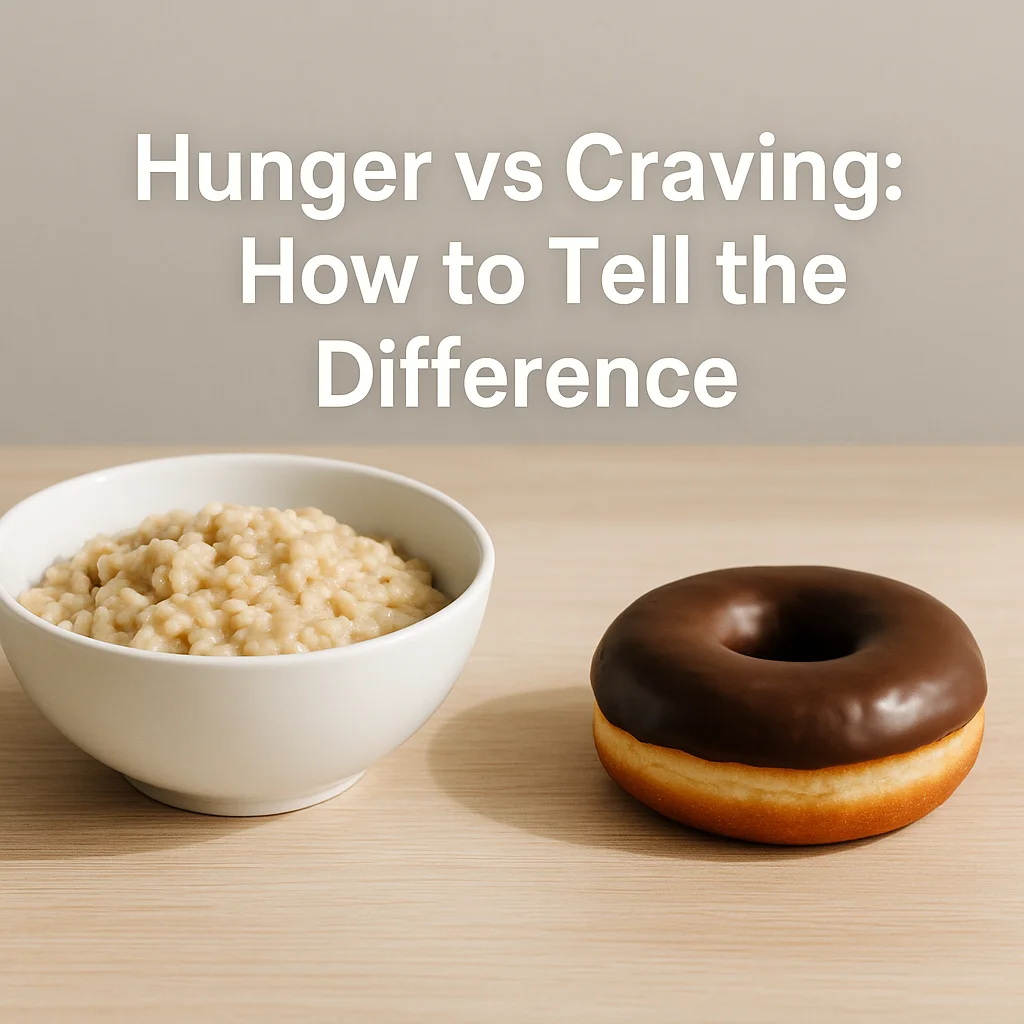
Understanding the difference between hunger and craving is essential for making informed food choices. Hunger is the body's physiological need for nutrients, signaled by symptoms like a growling stomach and low energy levels. Cravings are more psychological, often driven by emotions or memories, and do not necessarily correspond with nutrient needs.
- Who it’s usually good for: Anyone looking to improve their eating habits.
- Who should be cautious: Those with eating disorders or on specific diets should consult a professional.
- Best simple way to do it: Pause and assess if your desire to eat is root in physical hunger or emotional craving.
- Biggest mistake people make: Mistaking thirst for hunger.
- One practical “next step”: Keep a journal to track hunger and craving cues.
🧠 Why This Matters
In today’s food-abundant environment, understanding the difference between hunger and craving can help maintain a balanced diet and avoid overeating. Managing these feelings effectively can lead to better weight management, more energy, and improved mood. This knowledge is particularly valuable in reducing impulsive eating decisions.
🔬 What the Science Says
Hunger is primarily regulated by the body's energy needs. Hormones like ghrelin signal your brain when your body needs fuel. On the other hand, cravings are influenced by the brain's reward centers, often triggered by sensory experiences or emotions.
While the physical signs of hunger are generally consistent, cravings can vary greatly among individuals, making universal solutions challenging. Evidence suggests that understanding and recognizing your own cues can help manage both effectively.
⚖️ Benefits vs Downsides
- Benefits of recognizing hunger:
- Supports balanced nutrition by eating only when necessary.
- Helps in weight management by avoiding unnecessary calories.
- Improves energy levels by aligning intake with energy needs.
- Promotes mindful eating habits.
- Downsides of misunderstanding cravings:
- Can lead to overspending on non-essential foods.
- May contribute to emotional eating and guilt.
- Can disrupt hunger cues, leading to poor nutritional choices.
- Potentially increases consumption of high-calorie, low-nutrient foods.
🎯 The Best Way to Apply This
- Pause before eating to assess whether you're truly hungry.
- Identify physical cues such as stomach growling, energy dip, or headache.
- Check for emotional cues linked to cravings, like stress or excitement.
- Hydrate first to rule out dehydration as a cause for perceived hunger.
- Start a food and mood journal to track patterns and identify triggers.
- Prepare balanced meals and snacks to ensure nutritional needs are met.
⏰ Timing, Portions, and Frequency
Eat when you're physically hungry rather than on a fixed schedule. In general, listen to your body’s signals to determine timing and portion sizes. Smaller, frequent meals may help maintain energy, but it's critical to prioritize nutrient density. Drink water throughout the day to ensure that thirst isn't confused with hunger.
🤝 Best & Worst Pairings (Food Combos)
- Pairs well with:
- Whole grains and lean proteins for sustained energy.
- Fruits and nuts for satisfying snack breaks.
- Vegetables with healthy fats for enhanced nutrient absorption.
- Be careful combining with:
- High-sugar snacks that can spike blood sugar and feelings of hunger.
- Highly processed foods that may increase cravings.
- Caffeinated drinks if you are sensitive to caffeine's effects.
🚦Who Should Be Careful
- Those with a history of disordered eating.
- Individuals on specific therapeutic diets.
- People with medical conditions affecting appetite, like diabetes.
- If unsure, ask a pharmacist/clinician for guidance.
🧩 Common Mistakes and Fixes
- Mistake: Eating on a strict schedule without considering hunger cues. Fix: Eat in response to physical hunger signals.
- Mistake: Confusing dehydration with hunger. Fix: Drink a glass of water and wait 20 minutes before deciding to eat.
- Mistake: Using food to cope with emotions. Fix: Find alternative coping mechanisms like walking or journaling.
- Mistake: Keeping trigger foods readily available. Fix: Stock up on healthier, satisfying options.
- Mistake: Ignoring small hunger signals until they become overwhelming. Fix: Eat small, balanced meals regularly.
- Mistake: Consuming high-calorie, low-nutrient foods when craving strikes. Fix: Opt for smaller portions of nutrient-rich foods.
📋 Quick Checklist
- Identify if you're physically hungry or having a craving.
- Check for physical signs of hunger like growling stomach.
- Pause and reconsider whether you're eating out of emotion.
- Drink water to ensure you're not mistaking thirst for hunger.
- Keep a journal to track your hunger and mood patterns.
- Choose balanced, nutrient-rich meals.
- Limit access to foods that trigger cravings.
- Find non-food coping mechanisms for stress and boredom.
- Don't ignore small hunger cues, respond with healthy snacks.
- Seek advice from a professional if you have specific dietary needs.
📌 Summary
- Hunger and cravings serve different purposes; hunger meets nutritional needs while cravings are often emotional.
- Pause and assess whether hunger is physiological or a craving is emotional.
- Stay hydrated to avoid confusing thirst with hunger.
- Journaling can help identify patterns in hunger and cravings.
- Mindful eating helps manage food intake effectively.
- Be cautious of foods that may spike cravings, like high-sugar snacks.
- Those with specific health issues should consult with a professional.
- Cravings do not necessarily indicate a need for food.
- Smaller, balanced meals help maintain energy throughout the day.
- Recognizing and responding to true hunger can support healthier eating habits.