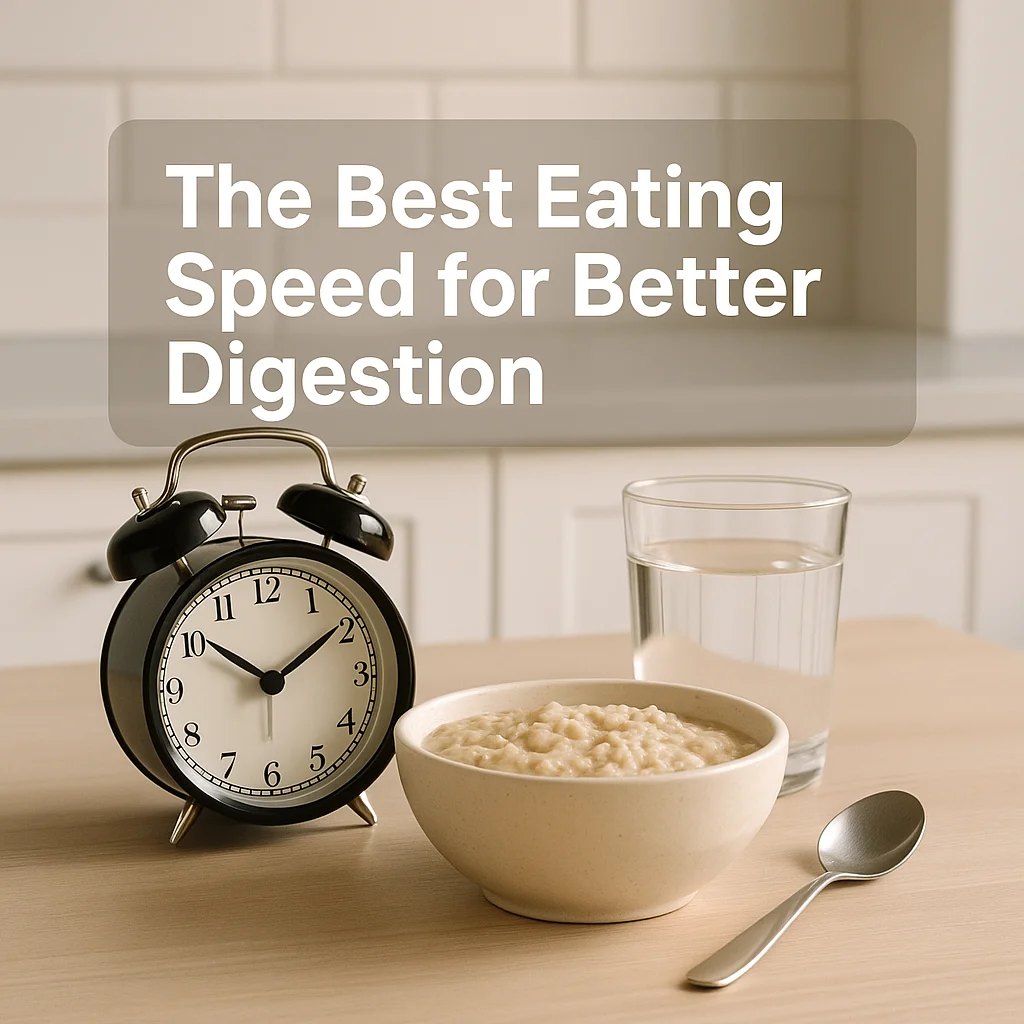
🥗 The Best Eating Speed for Better Digestion
✅ Key Takeaway
Eating at a moderate speed is generally considered the best pace for improving digestion. It allows your body to better process and absorb nutrients, while reducing the risk of digestive discomfort.
- Usually good for people who experience bloating or indigestion.
- Those with time constraints might find it difficult to slow down.
- Best simple way is to set your utensil down between bites.
- Biggest mistake is rushing meals, leading to overeating.
- Practical next step: Start timing meals to last at least 20 minutes.
🧠 Why This Matters
The speed at which we eat can significantly impact our digestive health. In today’s fast-paced world, many people rush through meals, leading to issues like indigestion, bloating, and even weight gain due to overeating. Eating too quickly doesn’t give your stomach enough time to signal your brain that you're full, which can result in consuming more calories than necessary. By slowing down, you can not only improve digestion but also enhance the overall eating experience.
🔬 What the Science Says
Scientific evidence suggests that eating slowly can improve digestion and help regulate calorie intake. When you eat slowly, you give your digestive system time to kick into gear, starting from the moment you begin to chew. Chewing thoroughly breaks down food into smaller particles, making it easier for digestive enzymes to do their job. Slower eating also helps you recognize satiety signals from your brain, reducing the likelihood of overeating. While some studies have mixed findings, the general consensus supports the benefits of moderation in eating speed.
⚖️ Benefits vs Downsides
- Benefit: Improved digestion due to better chewing.
- Benefit: Enhanced satiety awareness, leading to controlled calorie intake.
- Benefit: Reduced likelihood of bloating and indigestion.
- Benefit: More enjoyable eating experience.
- Downside: It may require conscious effort to change long-term habits.
- Downside: Slower eating might be impractical in tight schedules.
- Downside: Social settings or environments may pressure faster eating.
🎯 The Best Way to Apply This
The most effective way to adjust your eating speed is through some practical steps:
- Sit at a quiet table with minimal distractions.
- Chew each bite thoroughly, ideally 20-30 times.
- Put down utensils between bites to slow down.
- Share meals with others who also eat calmly.
- Focus on the flavors and textures of your food to encourage mindfulness.
⏰ Timing, Portions, and Frequency
When considering meal timing and portions, aim to eat during regular intervals and adjust portions based on activity levels. Eating before bed might not be beneficial for everyone, especially if they have digestion issues. Instead, consider having smaller, balanced meals throughout the day to keep energy levels stable. Remember, each person’s needs can vary. Monitor your body’s responses and adjust accordingly.
🤝 Best & Worst Pairings (Food Combos)
Consider pairing foods thoughtfully for better digestion:
- Pairs well with: fiber-rich foods like vegetables and whole grains.
- Pairs well with: lean proteins that are easier to digest.
- Pairs well with: fermented foods that support gut health.
- Be careful combining with: excessive caffeine, which can speed up digestion too much.
- Be careful combining with: high-fat, fried foods that are hard to digest.
- Be careful combining with: large quantities of legumes, which can cause bloating if not properly prepared.
🚦Who Should Be Careful
- Individuals with gastroesophageal reflux disease (GERD) might need to monitor their eating speed to reduce symptoms.
- Those on medications affecting digestion should consult a healthcare provider.
- Elderly individuals might need personalized advice based on digestion changes related to aging.
- If unsure, ask a pharmacist or clinician for personalized guidance.
🧩 Common Mistakes and Fixes
- Mistake: Eating while distracted by screens. Fix: Practice mindful eating away from electronics.
- Mistake: Skipping meals, which leads to fast eating when starved. Fix: Plan regular meals.
- Mistake: Rushing during work lunches. Fix: Allocate dedicated time for a calm meal.
- Mistake: Taking large bites of food. Fix: Focus on smaller, manageable bites.
- Mistake: Ignoring hunger cues by eating overfull. Fix: Stop when satisfied, not stuffed.
📋 Quick Checklist
- Set utensils down between bites.
- Practice taking smaller bites of food.
- Chew food thoroughly before swallowing.
- Aim for meals to last at least 20 minutes.
- Avoid distractions like TV and phone during meals.
- Remain seated and relaxed while eating.
- Start with a smaller portion to gauge hunger levels.
- Focus on flavors and textures for mindful eating.
- Eat at regular intervals to avoid extreme hunger.
- Share meals with family or friends when possible.
📌 Summary
- The best eating speed for digestion is moderate.
- Slow down by setting down utensils between bites.
- Be mindful of foods that may cause bloating.
- Avoid rushing meals, especially during stress.
- Start with meals that last 20 minutes as a habit.
- Eating slowly is beneficial for most, but remain flexible.
- Be cautious if you have specific digestive conditions.
- Improving eating speed contributes to overall wellness.
- Use a checklist to remind yourself about mindful eating.
- Stay patient as changing habits takes time.