🥗 What to Do (and Avoid) 2 Hours Before Bed
✅ Key Takeaway
To improve sleep quality and overall health, it's important to manage your activities and intake in the hours leading up to bedtime. Aiming for relaxation, minimizing stimulants, and light snacking can often support better rest.
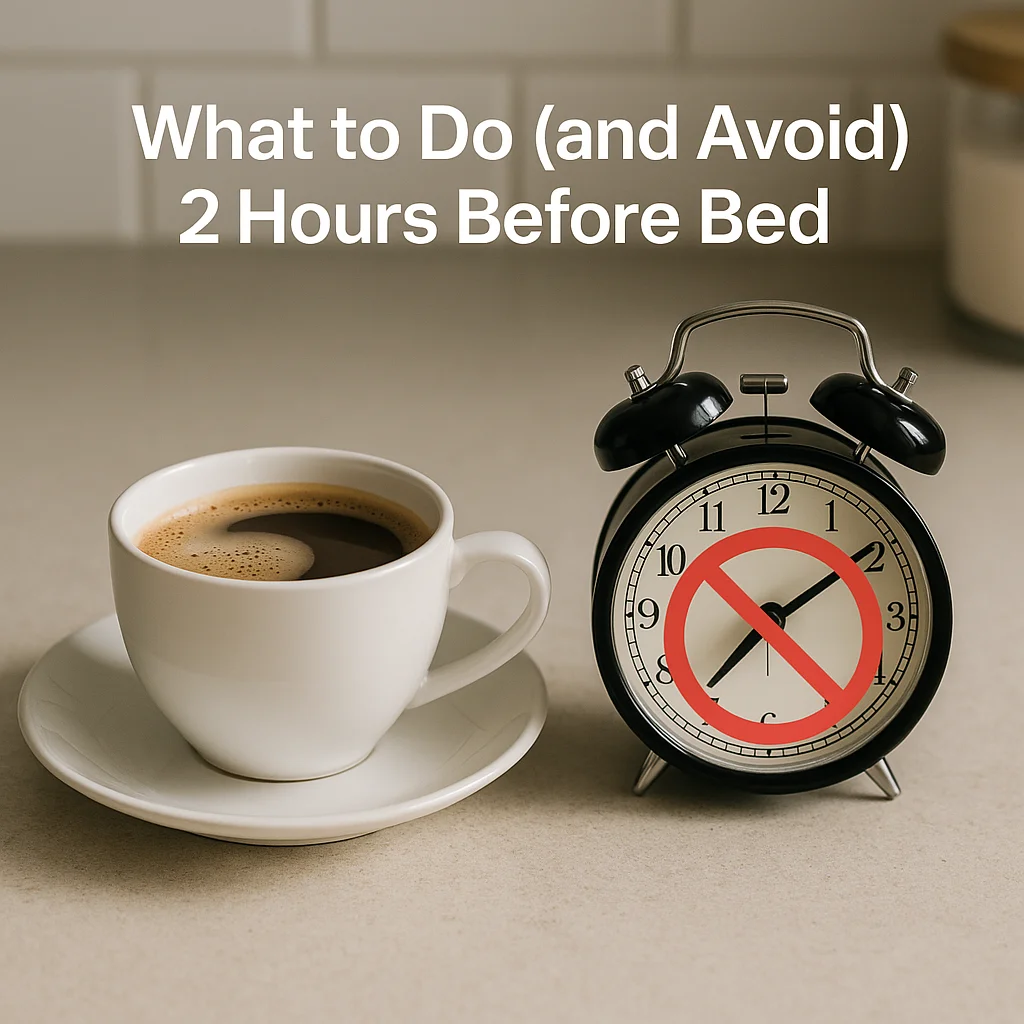
- Usually good for those with trouble falling asleep.
- Caution for those on medications that may interact with food/drink.
- Best way: Relax, avoid large meals, and limit screen time.
- Biggest mistake: Consuming caffeine late in the day.
- Next step: Start a calming bedtime routine.
🧠 Why This Matters
Many people struggle with sleep issues that can affect mood, energy levels, and overall health. Activities and dietary choices before bed play a crucial role in sleep quality. Addressing these can help enhance well-being and daily performance in a global context, where sleep problems are common and impactful.
🔬 What the Science Says
Scientific research suggests a direct connection between late-night habits and sleep disturbances. Caffeine is a well-known stimulant that can interfere with sleep patterns, while large meals can cause discomfort due to ongoing digestion. Blue light exposure from screens is another factor that can disrupt melatonin production, a hormone vital for sleep regulation. Meanwhile, engaging in relaxing activities can promote a natural transition into sleep.
⚖️ Benefits vs Downsides
- Benefits:
- Improved sleep duration and quality
- Enhanced relaxation and stress reduction
- Better digestion and fewer night-time discomforts
- Reduced risk of late-night heartburn or reflux
- Increased energy and focus the next day
- Downsides/Cautions:
- Potential interference with medication efficacy
- May require adjustments to existing evening routines
- Some discomfort if suddenly changing long-standing habits
- Individual variability in sensitivity to caffeine and blue light
- Possibility of initial sleep disruption until routine settles
🎯 The Best Way to Apply This
- Avoid caffeine and nicotine 2 hours before bed.
- Steer clear of large or spicy meals late in the evening.
- Opt for a light snack if necessary—fruit or yogurt can be good choices.
- Limit screen time and exposure to bright lights.
- Create a calming bedtime routine—reading or taking a warm bath.
⏰ Timing, Portions, and Frequency
Engage in calming activities and make dietary adjustments in the evening, ideally 2 hours before bed. Avoid heavy meals, choosing small portions if hungry—a handful of nuts or a small apple. Shift caffeine consumption to earlier in the day, and keep evening snacks simple and small.
🤝 Best & Worst Pairings (Food Combos)
- Pairs well with:
- Herbal teas like chamomile or peppermint
- Banana with almond butter
- Whole-grain crackers with a small piece of cheese
- Be careful combining with:
- Caffeinated beverages
- Large, heavy, or spicy meals
- Alcohol
- High sugar snacks like cookies and candies
🚦Who Should Be Careful
Individuals with reflux issues, caffeine sensitivity, or those on medications should be cautious about their late-night habits. Pregnant individuals and those with specific dietary restrictions may also need to modify routines. If unsure, ask a pharmacist or clinician.
🧩 Common Mistakes and Fixes
- Mistake: Drinking coffee after dinner → Fix: Switch to herbal tea.
- Mistake: Eating a large meal late → Fix: Eat a light snack, like yogurt.
- Mistake: Engaging in intense exercises → Fix: Opt for light stretches or deep breathing.
- Mistake: Using screens without filters → Fix: Use blue light blocking glasses or filters.
- Mistake: Consuming sugary desserts → Fix: Choose a small piece of dark chocolate.
- Mistake: Falling asleep with TV on → Fix: Set a timer for automatic shutoff or power down.
📋 Quick Checklist
- Avoid caffeine 6 hours before bed.
- Have your last meal at least 2-3 hours before sleeping.
- Choose herbal tea over coffee or soda.
- Read a book for relaxation.
- Dim lights 1 hour before bed.
- Use blue light filters on electronic devices at night.
- Opt for a warm, calming bath.
- Practice light yoga or meditation.
- Keep the bedroom cool and comfortable.
- Create a consistent sleep schedule.
📌 Summary
- Mind your evening habits for better sleep.
- Avoid caffeine, intense exercise, and large meals.
- Engage in relaxing pre-sleep activities.
- Individuals with reflux or on medications should consult a clinician.
- Start with small habit changes, like switching coffee to herbal tea in the evening.
- Aim for a consistent sleep routine for the best results.
- Keep evening lighting low to complement melatonin production.
- Consider the timing of last meal to ensure comfort during sleep.