🥗 Why Lack of Sleep Increases Appetite
✅ Key Takeaway
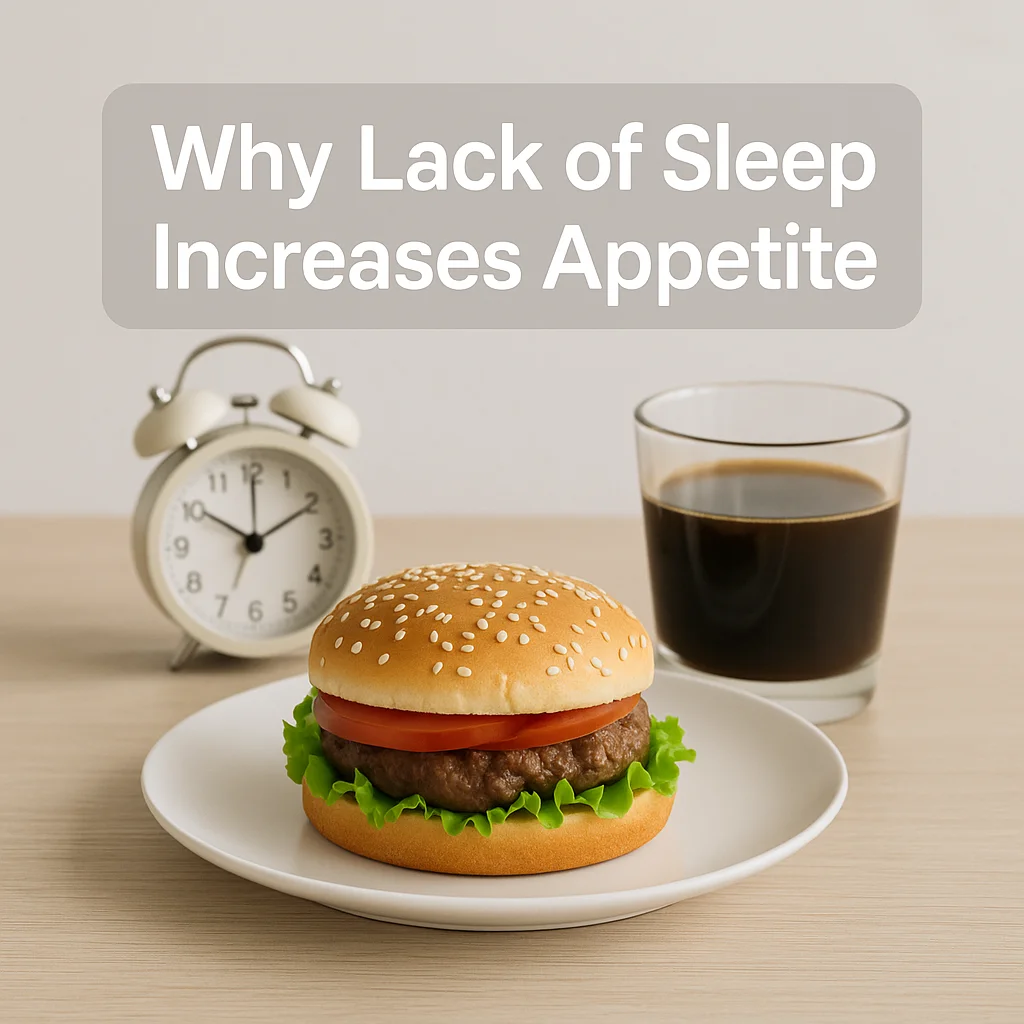
Not getting enough sleep can increase your appetite primarily due to hormonal imbalances. When sleep is insufficient, the body produces more hunger-stimulating hormones and fewer appetite-suppressing ones. This often leads to increased food intake, particularly cravings for high-calorie foods.
- Who it’s usually good for: Those managing weight or improving eating habits
- Who should be cautious: People with sleep disorders or conditions causing chronic fatigue
- Best simple way to do it: Aim for consistent sleep patterns, getting 7-9 hours per night
- Biggest mistake people make: Underestimating the impact of sleep on hunger and food choices
- One practical “next step”: Start a calming bedtime routine to improve sleep quality
🧠 Why This Matters
Lack of sleep is a common issue worldwide, affecting energy levels, mood, and overall health. It can lead to weakened willpower around food choices, increased cravings, and potential weight gain. With the fast-paced lifestyle many lead, understanding how sleep impacts appetite can help maintain better health and nutrition balance.
🔬 What the Science Says
Research suggests that inadequate sleep impacts the production of hormones regulating appetite, such as leptin and ghrelin. Leptin is responsible for signaling fullness, while ghrelin stimulates hunger. Sleep deprivation decreases leptin levels while increasing ghrelin, making you feel hungrier.
Furthermore, sleep deprivation can enhance pleasure responses in the brain related to food, particularly for high-calorie foods, exacerbating cravings.
⚖️ Benefits vs Downsides
- Benefits:
- Improved weight management
- Better energy levels during the day
- Enhanced mood and mental clarity
- Potential for healthier eating patterns
- Downsides:
- Difficulty sticking to a strict sleep schedule
- Initial challenges in establishing a bedtime routine
- Possible impact from unavoidable life circumstances affecting sleep
- Personal variations in sleep needs
🎯 The Best Way to Apply This
- Set a consistent sleep schedule, aiming for 7-9 hours per night.
- Create a bedtime routine that involves relaxing activities like reading or meditation.
- Avoid caffeine and heavy meals close to bedtime.
- Keep a comfortable and distraction-free sleep environment.
⏰ Timing, Portions, and Frequency
Try to establish a regular sleep-wake cycle by going to bed and waking up at the same times daily. Avoid large meals and caffeine in the hours leading up to bedtime. Instead, opt for a light snack if necessary, like a small handful of nuts or a piece of fruit. Consistently practicing this routine can improve sleep quality and regulate appetite.
🤝 Best & Worst Pairings (Food Combos)
- Pairs well with:
- Herbal teas for relaxation
- Whole grains or carbs earlier in the day
- Protein-based snacks before evening workouts
- Be careful combining with:
- Caffeinated drinks late in the day
- Sugary snacks before bedtime
- Large, heavy meals later in the evening
🚦Who Should Be Careful
- Individuals with sleep disorders may require professional medical advice
- Those on medication affecting sleep should consult a healthcare provider
- People experiencing chronic stress or fatigue should seek guidance
- If unsure, ask a pharmacist or clinician for personalized advice
🧩 Common Mistakes and Fixes
- Mistake: Using electronic devices before bed. Fix: Limit screen time and consider blue light filters.
- Mistake: Inconsistent sleep times. Fix: Set a regular sleep schedule and stick to it.
- Mistake: Drinking caffeine late in the day. Fix: Switch to herbal teas or decaf after lunchtime.
- Mistake: Eating heavy meals late at night. Fix: Have a light, early dinner instead.
- Mistake: Ignoring relaxation practices. Fix: Integrate calming activities like yoga or meditation.
- Mistake: Overlooking room environment. Fix: Maintain a dark, cool, and noise-free bedroom.
📋 Quick Checklist
- Set a consistent sleep schedule
- Create a calming bedtime routine
- Avoid caffeine and heavy meals near bedtime
- Limit screen time in the evening
- Maintain a comfortable sleep environment
- Incorporate relaxation practices
- Have a light snack if needed before bed
- Be mindful of how much sleep your body needs
- Avoid erratic sleep hours on weekends
- Consider talking to a professional if sleep issues persist
📌 Summary
- Lack of sleep can increase appetite by affecting hunger hormones
- Consistent sleep patterns help regulate hunger and cravings
- Adopt calming bedtime routines for better sleep
- Be cautious of caffeine and large meals before bed
- Comfortable sleep environments support better sleep quality
- Screen time before bed can disrupt sleep patterns
- Ensure your sleep needs are met to manage appetite
- Recognize personal variations in how sleep affects appetite