🥗 Beans + Vitamin C: Does It Help Iron Absorption?
✅ Key Takeaway
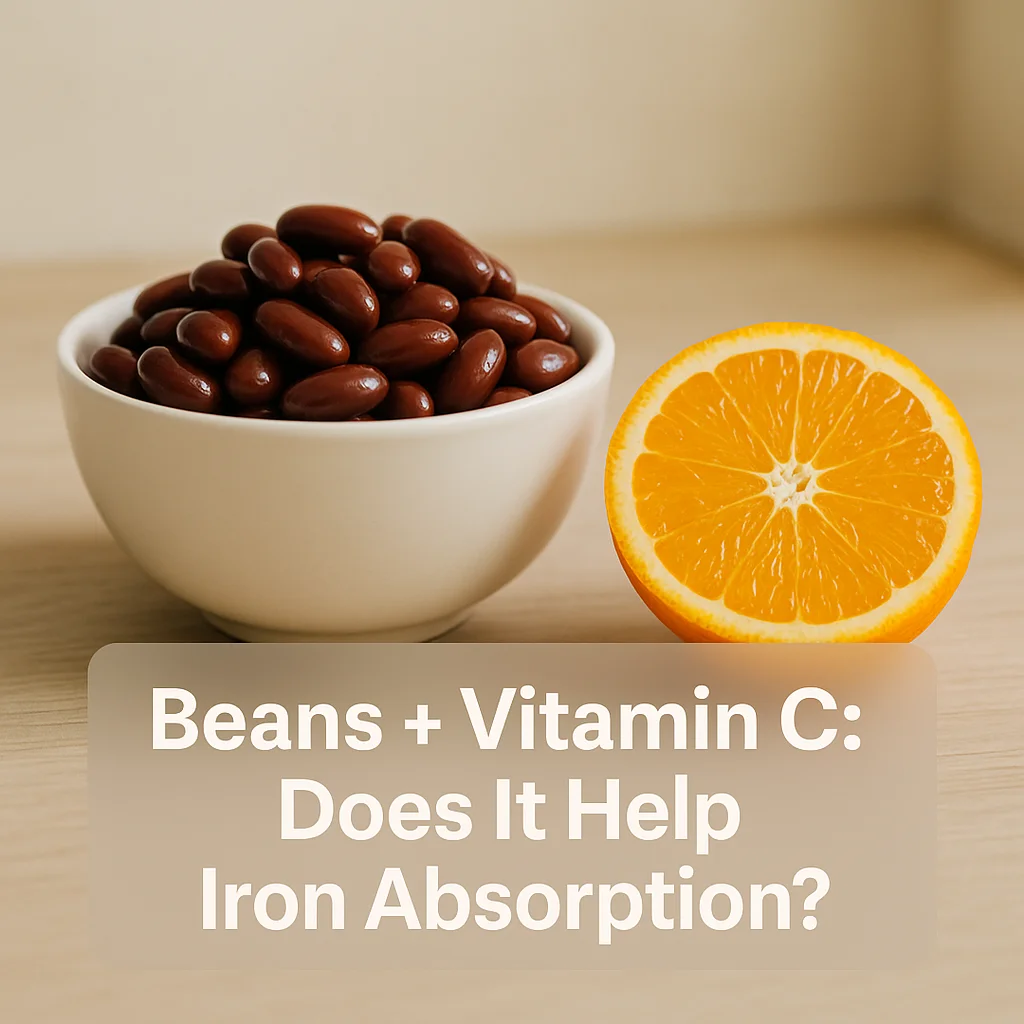
In most cases: yes, adding Vitamin C to your bean-based meals can enhance iron absorption. The vitamin converts iron into a more absorbable form in the digestive tract, making it easier for your body to take it in.
- Good for: Vegetarians, vegans, and those with dietary iron deficiencies.
- Cautious for: Individuals with iron overload disorders.
- Best simple way: Pair beans with a citrus fruit or a vitamin C-rich vegetable.
- Biggest mistake: Relying solely on fortified foods without balance.
- Next step: Start by adding a slice of lemon to your bean dish.
🧠 Why This Matters
Iron deficiency is one of the most common nutritional issues globally, potentially leading to fatigue and reduced productivity. Beans are a great source of plant-based iron, but this form of iron is less readily absorbed by your body compared to iron from meat. Pairing beans with Vitamin C can bridge this gap, supporting better energy levels and overall well-being.
🔬 What the Science Says
The primary mechanism is the conversion of plant-based iron (non-heme iron) into a more soluble form by Vitamin C, increasing its absorption in the gut. This is particularly important for those consuming vegetarian or vegan diets. While solid evidence supports the beneficial effects of vitamin C on iron absorption, results can vary due to individual differences and dietary contexts.
⚖️ Benefits vs Downsides
- Benefits:
- Enhances iron absorption, especially from plant sources.
- Boosts energy levels by improving red blood cell function.
- Supports overall nutrition with fiber, vitamins, and minerals from beans.
- May help reduce iron deficiency without animal-based products.
- Encourages consumption of fruits and vegetables.
- Potentially promotes better digestion with high fiber content.
- Complements heart-healthy diets.
- Downsides/Cautions:
- Iron overload risk for those with hemochromatosis.
- Potential digestive discomfort for some due to beans' high fiber.
- May interact with iron supplements, requiring professional advice.
- Excess Vitamin C can cause digestive disturbances.
- Not a substitute for a balanced diet or medical treatment for deficiencies.
- Can lead to decreased calcium absorption in high amounts.
🎯 The Best Way to Apply This
- Include a serving of Vitamin C-rich foods like bell peppers, broccoli, or oranges with your bean meals.
- Add lemon juice or a tomato-based sauce to your bean dishes.
- Consider a small serving of fruit like strawberries or kiwi for dessert after a bean-centered meal.
- Aim to have beans and Vitamin C in the same meal for maximal benefit.
⏰ Timing, Portions, and Frequency
Consume beans with Vitamin C during main meals for optimal uptake. Aim for at least a small portion of Vitamin C-rich food to accompany a palm-sized serving of beans. No need for precision; focus on consistent inclusion in daily meals. Those unsure about their iron needs should consult a health professional for personalized advice.
🤝 Best & Worst Pairings (Food Combos)
- Pairs well with:
- Citrus fruits like oranges and lemons
- Bell peppers or kale
- Tomatoes or tomato-based sauces
- Broccoli or Brussels sprouts
- Be careful combining with:
- Dairy products, which may inhibit iron absorption
- Iron supplements (consult a professional if combining)
- Foods high in calcium during the same meal
- High-oxalate foods like spinach alone, which can bind iron
🚦Who Should Be Careful
Individuals with a predisposition to iron overload conditions like hemochromatosis should be cautious. Those on medication affecting iron levels should also seek advice from a clinician. Pregnant women and children should ensure balanced nutrition without excessive iron or Vitamin C. If unsure, always ask a pharmacist or clinician.
🧩 Common Mistakes and Fixes
- Relying solely on beans without Vitamin C → Add a side of vegetables or fruits.
- Skipping Vitamin C at meal times → Make it a routine part of meals.
- Ignoring other sources of heme iron → Include varied foods for balance.
- Focusing only on fortified products → Embrace whole, natural sources.
- Overlooking potential interactions → Consult professionals if combining supplements.
- Assuming all iron is equal → differentiate between heme and non-heme sources.
- Consuming high-calcium foods with iron → Separate intake for better absorption.
📋 Quick Checklist
- Include a Vitamin C source with your bean meals.
- Use fresh lemon juice for added flavor and benefits.
- Balance meals with a variety of nutrient sources.
- Avoid heavy dairy consumption with bean meals.
- Moderate Vitamin C intake to avoid excess.
- Consider professional advice for unique health conditions.
- Experiment with bean and citrus combos.
- Monitor energy levels to gauge effects.
- Involve colorful vegetables in your meals.
- Stay informed about new nutritional insights.
- Enjoy diverse foods for a balanced diet.
- Adapt tips to fit your personal preferences.
📌 Summary
- Pairing beans with Vitamin C can aid iron absorption.
- The best method involves including natural sources like citrus.
- Caution is needed for those with iron overload conditions.
- Start by adding lemon juice or a small fruit serving to meals.
- Bean meals should be varied and balanced with vegetables.
- Timing with main meals optimizes nutrient uptake.
- Monitor diet and consult professionals if unsure.
- Embrace the combination for enhanced energy levels.
- Enjoy the nutritional diversity without over-dependence.
- Practice simple integration into everyday diets.