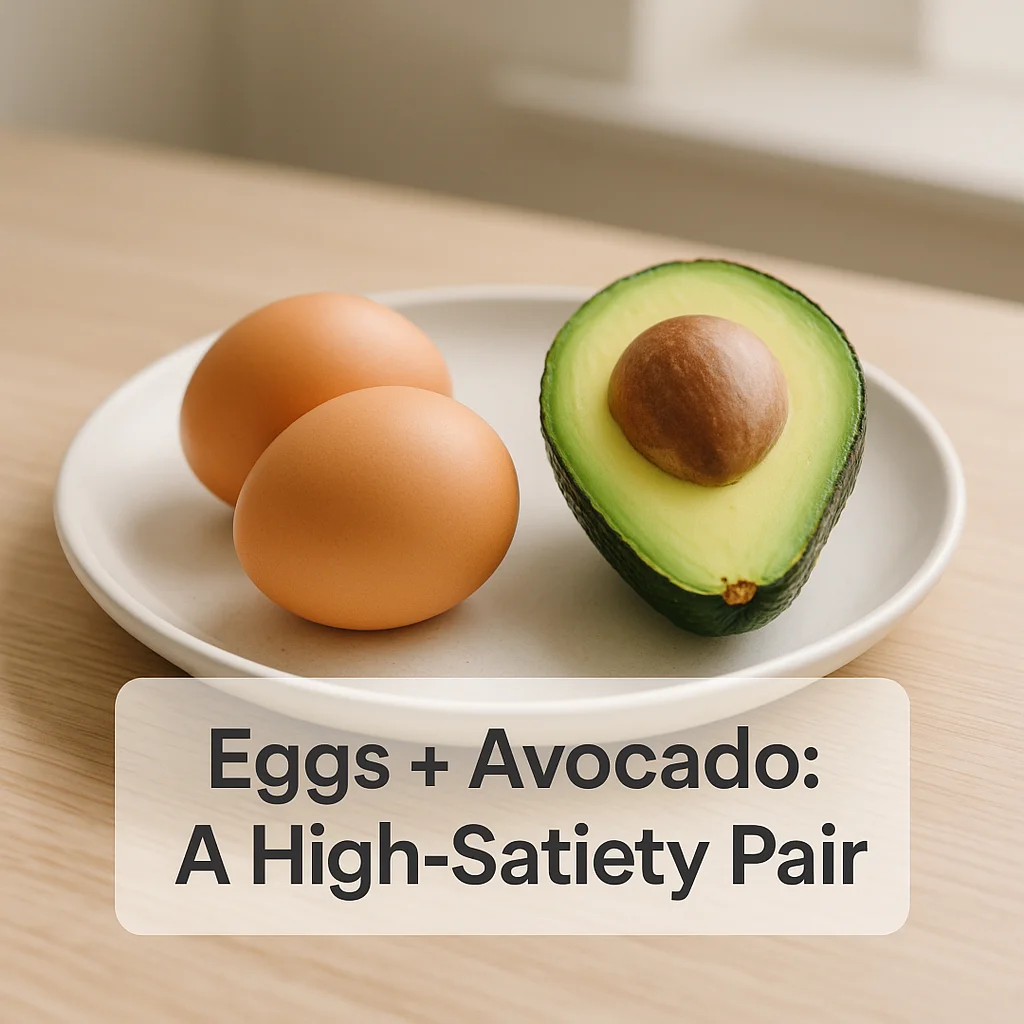
🥗 Eggs + Avocado: A High-Satiety Pair
✅ Key Takeaway
Combining eggs and avocado can be a high-satiety choice for many people. Together, they provide a balance of healthy fats and proteins which may help control hunger and promote fullness. However, it's important to be mindful of portion sizes and dietary needs.
- Great for those seeking to manage hunger and maintain energy levels throughout the day.
- Those with egg or avocado allergies should avoid this combination.
- Simple preparation: eggs and avocado on whole-grain toast make a balanced meal.
- Avoid using too much added salt or unhealthy fats in the preparation.
- A practical next step: try this combo for breakfast to see how it impacts your mid-morning hunger.
🧠 Why This Matters
Maintaining fullness after meals is a common challenge, especially when trying to avoid overeating or unhealthy snacking. A diet lacking in nutrients can lead to energy slumps, cravings, or poor concentration. Eggs and avocado are nutrient-rich foods that provide protein and healthy fats, which can help sustain energy and satiate hunger over extended periods, thus supporting better dietary habits and potentially aiding in weight management.
🔬 What the Science Says
The combination of eggs and avocados provides a good mix of proteins and fats. Eggs are a good source of high-quality protein, which aids in muscle maintenance and repair, and triggers the release of satiety hormones. Avocados are rich in monounsaturated fats and fiber, which enhance satiety by slowing digestion and maintaining stable blood sugar levels. While some studies suggest that consuming healthy fats can support weight management by promoting satiety, others highlight the importance of overall dietary patterns and portion control.
⚖️ Benefits vs Downsides
- Benefits:
- Provides a nutrient-dense meal with essential micronutrients.
- Promotes feelings of fullness due to protein and healthy fat content.
- Supports muscle maintenance and energy levels.
- May help with weight management by reducing hunger.
- Rich in antioxidants, supporting overall health.
- Easy to prepare and versatile.
- Downsides:
- High in calories, so portion control is important.
- Avocados and eggs are common allergens.
- Can lead to overconsumption of fats if other sources are not balanced.
- Potentially high cholesterol intake with overconsumption of eggs.
- Not suitable for those following low-fat diets.
🎯 The Best Way to Apply This
- Begin with a balanced breakfast including a moderate portion of eggs and half an avocado.
- Incorporate whole-grain toast or a small portion of mixed greens for additional nutrients.
- Consider preparing scrambled eggs with sliced avocado on the side for a simple meal.
- Add toppings like tomatoes or herbs for added flavor without extra calories.
- Pay attention to how you feel after consumption to adjust portions for your needs.
⏰ Timing, Portions, and Frequency
For most people, including eggs and avocado in a morning meal can lay a good nutritional foundation for the day. The combination works well as breakfast or brunch. Aim for one or two eggs and half an avocado per meal, which fits well within moderate portion sizes. Adjust based on physical activity levels and dietary goals. Avoid eating this combination too frequently if managing fat intake.
🤝 Best & Worst Pairings (Food Combos)
- Pairs well with:
- Whole-grain bread or wraps for fiber and complex carbohydrates.
- Fresh vegetables like spinach, tomatoes, or peppers for added vitamins.
- Greek yogurt or cottage cheese for a protein boost.
- Be careful combining with:
- High-fat meats if concerned about total fat intake.
- Sugary beverages that might disrupt blood sugar levels.
- Large amounts of dairy if lactose intolerant.
🚦Who Should Be Careful
- Individuals with egg or avocado allergies should avoid this combination entirely.
- Those with high cholesterol should monitor egg consumption.
- Individuals managing calorie intake for weight loss should be mindful of portion sizes.
- People with digestive issues should assess how this combo affects them and adjust as needed.
- If unsure, ask a pharmacist or clinician for personalized advice.
🧩 Common Mistakes and Fixes
- Using too many eggs → Limit to 1-2 eggs per meal to control portions.
- Adding too much fat (oil, butter) → Use minimal cooking fats or opt for non-stick cookware.
- Skipping additional nutrients → Include a variety of vegetables or whole grains to balance the meal.
- Over-seasoning with salt → Use herbs and spices for flavor without added sodium.
- Ignoring portion control for avocados → Stick to half an avocado per serving.
- Not considering dietary restrictions → Check for allergies or sensitivities before trying new combinations.
- Eating the same breakfast daily → Rotate foods to ensure nutritional variety and interest.
- Not monitoring how it affects satiety → Adjust portions if you feel overly full or still hungry.
📋 Quick Checklist
- Plan a balanced breakfast with eggs and avocado.
- Keep portions moderate to maintain nutritional balance.
- Pair with fresh vegetables or whole grains for added nutrients.
- Be cautious of adding extra fats and calories.
- Monitor cholesterol intake if relevant to your health.
- Assess how this combo affects your hunger and fullness.
- Prepare using minimal added salt; opt for herbs instead.
- Consider food sensitivities or allergies before trying it.
- Share with children and friends to encourage balanced eating.
- Adjust based on personal dietary goals and needs.
- Enjoy as part of a varied diet with diverse nutrient sources.
- Stay open to experimenting with different flavorings and additions.
- Consult a health professional if any negative symptoms occur.
📌 Summary
- Eggs and avocado can be a high-satiety food pair for many.
- Balanced protein and healthy fats promote fullness and energy.
- Be cautious of portion sizes and cholesterol intake.
- Best starting method: breakfast with whole grains and veggies.
- Monitor personal satisfaction and adjust serving sizes accordingly.
- Pairs well with fresh vegetables and whole-grain options.
- Avoid pairing with excess fats and hyper-processed foods.
- Check for allergies and personal dietary restrictions.
- Adapt meal composition based on dietary feedback.
- Stay informed by asking a health professional for guidance.