🥗 Ginger + Lemon: A Classic Cold-Season Pair
✅ Key Takeaway
Ginger and lemon are generally a good combination for soothing cold-related discomforts thanks to their warming and aromatic qualities. However, this combination may not be suitable for everyone. Understanding its benefits and limitations is key.
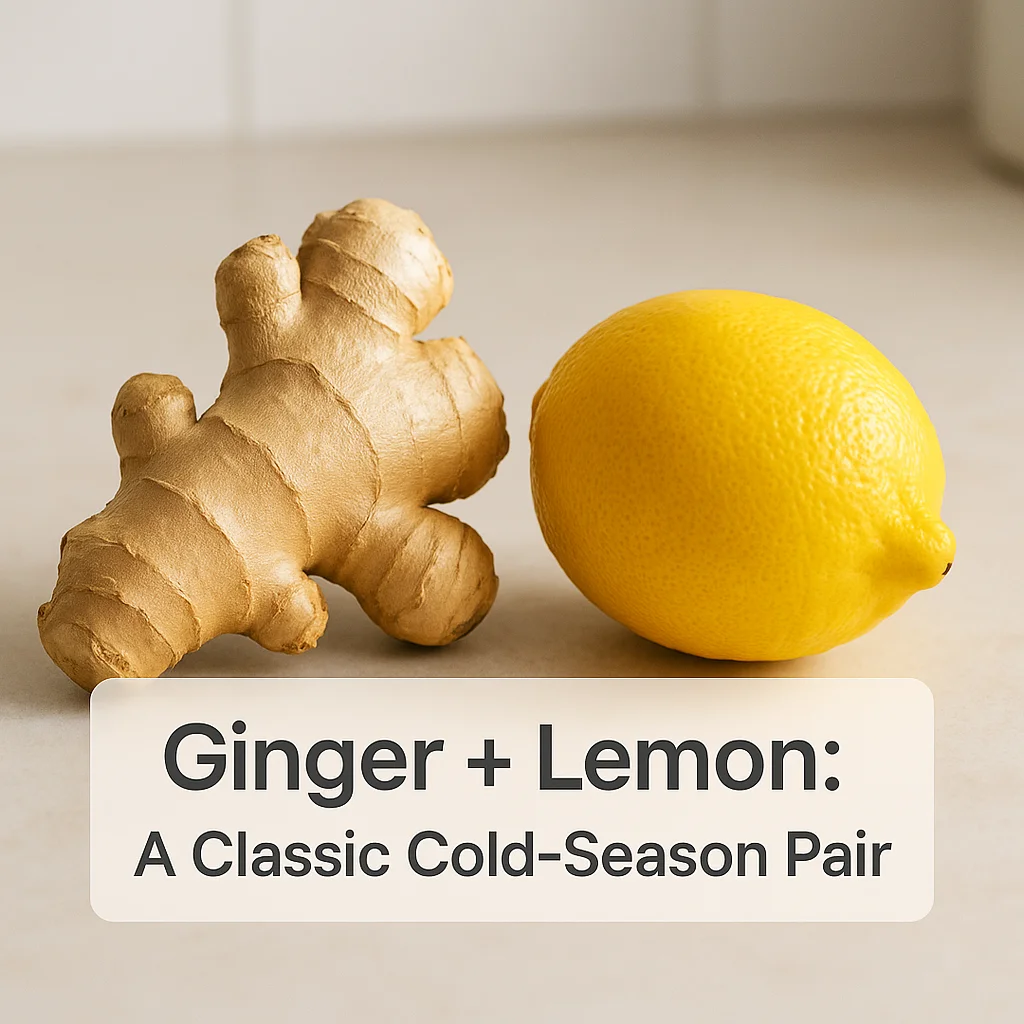
- Usually good for: People looking for a natural, warming beverage during cold seasons.
- Be cautious if: You have sensitive stomachs or are taking blood thinners.
- Simplest use: Make a ginger-lemon tea by steeping fresh ginger slices and lemon in hot water.
- Biggest mistake: Using overly hot water, which can destroy beneficial nutrients.
- Next step: Try incorporating ginger-lemon tea into your evening routine.
🧠 Why This Matters
During cold seasons, many people seek natural ways to support their wellbeing. Ginger and lemon are two ingredients commonly turned to for their comforting properties. Whether it's for warming up on a chilly day or looking for a soothing routine, this combo can provide an easy-to-make home remedy that fits well into daily life.
Globally, ginger and lemon are accessible and affordable, making them great options for a wide audience. Understanding their properties can help maximize the benefits they may offer, such as soothing a sore throat or simply enhancing hydration with flavor.
🔬 What the Science Says
Ginger is known for its potential digestive benefits and warming effect, thanks to compounds like gingerol. Lemon, on the other hand, offers vitamin C and enhances hydration. Together, they are believed to create a comforting brew that may soothe cold symptoms.
However, scientific support for specific benefits, especially for cold relief, is mixed. While ginger can support digestion and warmth, and lemon adds a refreshing tartness with potential antioxidant effects, their impact might vary among individuals. As always, responses differ based on personal health conditions and existing dietary patterns.
⚖️ Benefits vs Downsides
- Benefits:
- May aid in soothing a sore throat.
- Can enhance hydration due to flavoring water.
- Ginger may help with digestion and warmth.
- Lemon provides a dose of vitamin C.
- Downsides:
- Ginger can cause heartburn in sensitive individuals.
- Lemon, in excess, may lead to dental enamel erosion.
- Ginger might interact with blood thinners.
- Can be too spicy or tangy for some people's taste.
🎯 The Best Way to Apply This
- Peel and slice fresh ginger (a thumb-sized piece).
- Boil water and let it cool slightly before pouring over ginger.
- Allow to steep for about 5-10 minutes.
- Add the juice from half a lemon.
- Sip slowly, especially in the evenings after meals.
⏰ Timing, Portions, and Frequency
The best time to enjoy ginger and lemon tea is when relaxation is your goal, often after meals or as a part of the bedtime routine. Recommended portions are modest: a thumb-sized piece of ginger and half a lemon. Opt for once or twice a day to start, adjusting based on personal preference and tolerance.
If considering ginger or lemon supplements, it's essential to read labels carefully and consult with a healthcare provider if unsure about interactions.
🤝 Best & Worst Pairings (Food Combos)
- Pairs well with:
- Honey, which can add sweetness and soothing properties.
- Green tea, for an extra antioxidant boost.
- Mint, for a refreshing twist.
- Be careful combining with:
- Spicy foods, as ginger already adds heat.
- Dairy products, which may interact unfavorably in taste.
- Carbonated drinks that might unsettle the stomach.
🚦Who Should Be Careful
The following groups should be cautious when consuming ginger and lemon:
- Those with a history of heartburn or acid reflux.
- Individuals on medication for blood coagulation (e.g., blood thinners).
- Pregnant or breastfeeding women should consult their healthcare provider.
- If you experience any discomfort, it is best to seek advice from a pharmacist or clinician.
🧩 Common Mistakes and Fixes
- Mistake: Using boiling water immediately. Fix: Let the hot water cool for a minute.
- Mistake: Overuse of lemon. Fix: Limit to half a lemon per serving.
- Mistake: Discarding ginger too quickly. Fix: Steep for a full 10 minutes for more flavor.
- Mistake: Ignoring taste preferences. Fix: Adjust ginger quantity to taste.
- Mistake: Drinking on an empty stomach. Fix: Consume with snacks or meals.
- Mistake: Not covering when steeping. Fix: Use a lid to keep the heat for full extraction.
📋 Quick Checklist
- Use fresh ginger slices, about a thumb-sized piece.
- Always use cooled boiling water.
- Aim for a 5-10 minute steep time.
- Add lemon juice from half a lemon.
- Consider adding honey for sweetness.
- Enjoy post-meal or in the evening.
- Adjust steep time for stronger or milder flavor preferences.
- Listen to your body's response.
- Be aware of sensitivities to ginger or lemon.
- Check possible interactions with medication.
- Consult healthcare providers if unsure.
- Start with moderate consumption - no more than twice daily.
- Store ginger and lemon properly for freshness.
📌 Summary
- Ginger and lemon can be a comforting combo during cold seasons.
- Preparing ginger-lemon tea involves simple steps of steeping.
- Watch out for heartburn or medication interactions.
- Best enjoyed after meals or in evenings.
- Pairs well with honey, green tea, and mint.
- Use caution with spicy or dairy-heavy meals.
- Ginger and lemon may soothe colds but effects vary.
- Limit intake to a couple of times per day.
- Adjust quantity based on personal taste and health sensitivity.
- Not recommended for people with a heightened sensitivity to acidity or heat.
- For reassurance, check with health professionals if needed.
- Start the habit of adding a ginger-lemon tea to your evening wind-down.