🥗 High-Protein Diet + Low Fiber: What Problems Show Up
✅ Key Takeaway
Adopting a high-protein, low-fiber diet can lead to digestive issues, nutrient absorption challenges, and changes in blood sugar levels. It's beneficial for some, but not for everyone.
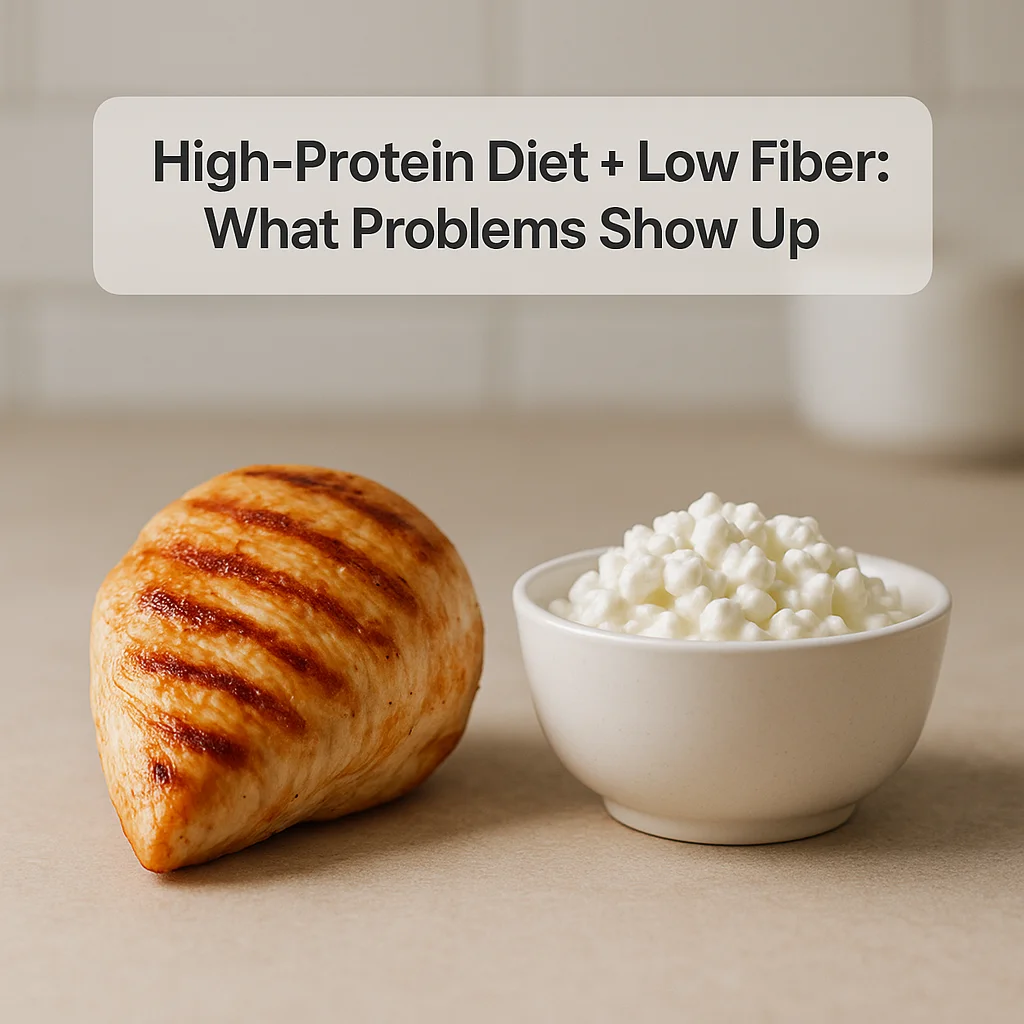
- 🟢 Often good for: bodybuilders or those needing increased protein for muscle repair
- 🔴 Be cautious if: you have digestive issues or heart health concerns
- ✔️ Best simple way: include diverse, lean protein sources
- 🔍 Biggest mistake: ignoring the importance of fiber and hydration
- ➡️ Next step: balance protein intake with fruits and vegetables
🧠 Why This Matters
High-protein diets are popular for weight loss and muscle gain, yet low fiber can cause energy fluctuations, digestive discomfort, and may affect long-term health. Understanding these impacts helps individuals make informed dietary choices.
Globally, diets vary, but common issues with low fiber yet high-protein intake can lead to similar challenges, like irregular bowel movements and increased cholesterol levels.
🔬 What the Science Says
Proteins play a critical role in muscle synthesis and repair, but a diet low in fiber can lead to suboptimal gut health. Fiber aids digestion and helps control blood sugar levels. While protein provides satiety, insufficient fiber can leave you feeling off-balance.
Evidence suggests that while high-protein diets are effective in the short term for weight management, the lack of fiber may negatively impact gut bacteria and long-term heart health. The relationship is complex and findings are mixed, highlighting the need for personalized dietary plans.
⚖️ Benefits vs Downsides
- 👍 Benefit: Facilitates muscle growth and repair
- 👍 Benefit: Can assist in weight loss by increasing satiety
- 👍 Benefit: May improve energy levels initially
- 👍 Benefit: Helps maintain lean body mass
- ⚠️ Downside: May cause digestive issues like constipation
- ⚠️ Downside: Risk of nutrient imbalance
- ⚠️ Downside: Possible increase in cholesterol levels
- ⚠️ Downside: Could lead to dehydration if not paired with enough fluids
🎯 The Best Way to Apply This
Striking a balance is key. Here are steps to follow:
- 1️⃣ Incorporate a variety of lean proteins: chicken, fish, legumes
- 2️⃣ Add high-fiber foods: vegetables, grains, nuts
- 3️⃣ Stay hydrated to support digestion
- 4️⃣ Monitor portion sizes to prevent overconsumption
- 5️⃣ Evaluate how your body responds and adjust as needed
⏰ Timing, Portions, and Frequency
Aim to distribute protein intake evenly throughout the day, preferably with each meal, for optimal muscle maintenance. Consider beginner-friendly portion cues: a palm-sized portion of protein and a small bowl of vegetables at each meal.
Eating both protein and fiber together can help maintain balanced blood sugar levels and provide sustained energy.
🤝 Best & Worst Pairings (Food Combos)
- 🍽️ Pairs well with: green leafy vegetables, whole grains, fruit
- 👎 Be careful combining with: high-fat oils, excessive cheese, sugary foods
🚦Who Should Be Careful
- People with existing digestive issues
- Individuals with cholesterol management needs
- Those on certain medications (consult a pharmacist/clinician if unsure)
🧩 Common Mistakes and Fixes
- Mistake: Ignoring fiber intake → Fix: Include fruits and vegetables in meals
- Mistake: Overeating protein-rich foods → Fix: Focus on portion control
- Mistake: Failing to hydrate → Fix: Drink water consistently throughout the day
- Mistake: Relying solely on meat → Fix: Add plant-based protein sources
- Mistake: Neglecting nutrient diversity → Fix: Incorporate varied food groups
- Mistake: Starting without a plan → Fix: Set a balanced diet strategy
📋 Quick Checklist
- Include lean protein in every meal
- Add a small bowl of high-fiber food
- Stay hydrated with regular water intake
- Check how your body reacts and adjust
- Reduce high-fat food intake
- Seek a balanced variety of foods
- Control portion sizes
- Monitor bowel movement regularity
- Consult with a health professional if needed
- Incorporate exercise and monitor energy levels
📌 Summary
- Answer: Yes, a high-protein, low-fiber diet may cause digestive and health issues
- Best method: Balance protein intake with fiber-rich foods
- Key caution: Monitor digestive health and hydration
- Easiest habit: Add vegetables to every meal
- Benefit: Weight management support
- Downside: Risk of nutrient imbalances
- Consider meal timing and portion control
- Avoid combining with high-fat or sugary foods
- Consider individual health conditions and consult a clinician if needed