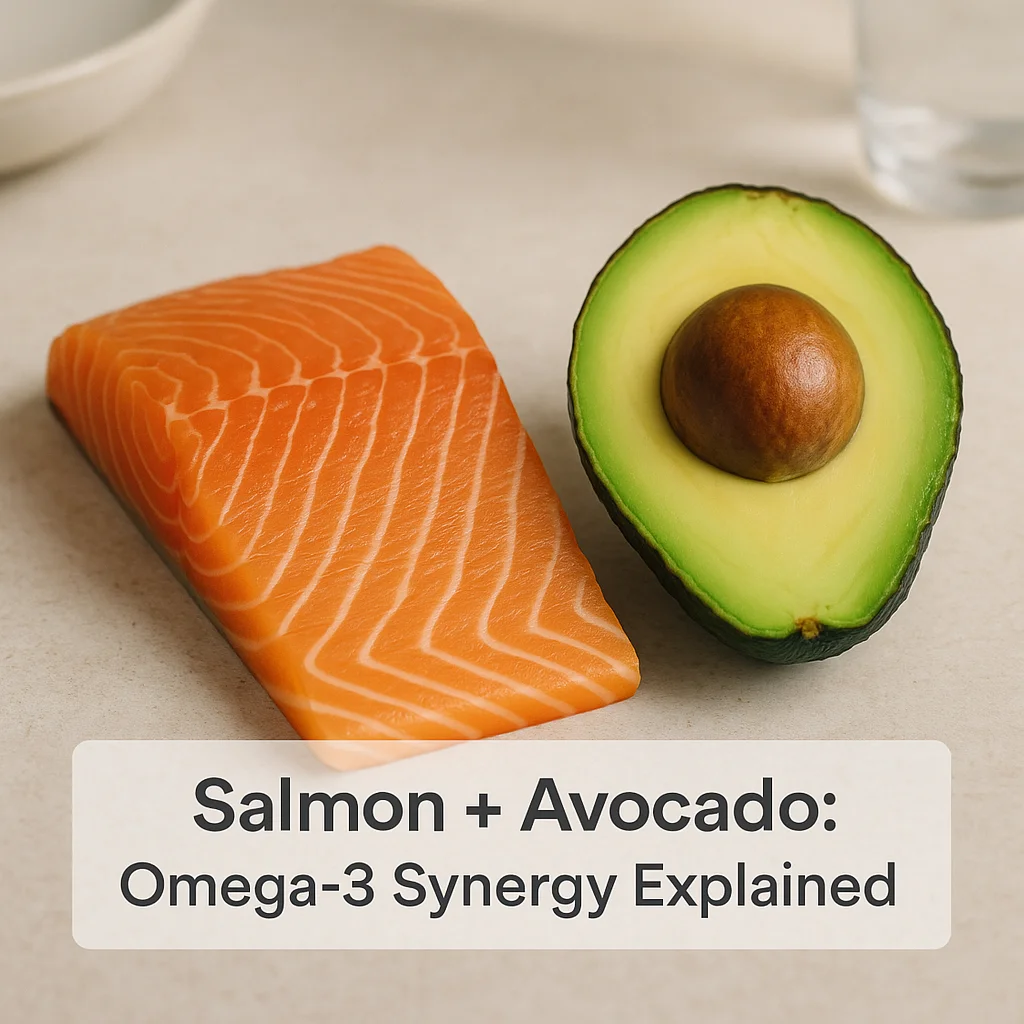
🥗 Salmon + Avocado: Omega-3 Synergy Explained
✅ Key Takeaway
In most cases, combining salmon and avocado is beneficial due to their complementary nutrients. They both provide omega-3 fatty acids, which can support heart and brain health. However, moderation is key, particularly for those with calorie-restricted diets.
- Great for: Those seeking heart-healthy meals
- Caution for: Individuals with seafood allergies
- Best simple way: Enjoy in a salad or sushi roll
- Common mistake: Overeating due to rich flavors
- Next step: Try a salmon and avocado salad for lunch
🧠 Why This Matters
Maintaining a diet rich in healthy fats, like those found in salmon and avocados, is often linked to numerous health benefits. It can combat common issues such as energy dips, poor concentration, and heart health concerns by providing essential nutrients like omega-3s and healthy fats. Understanding how these two foods work together can help make daily dietary choices more beneficial for overall health.
🔬 What the Science Says
The omega-3 fatty acids in salmon and healthy fats in avocado are beneficial for reducing inflammation and potentially improving cardiovascular health. Salmon is high in eicosapentaenoic acid (EPA) and docosahexaenoic acid (DHA), omega-3s which are crucial for brain and heart function. Avocados provide monounsaturated fats, which can complement the omega-3s in salmon by improving nutrient absorption and maintaining balanced cholesterol levels.
Evidence suggests these fats may help in lowering the risk of heart disease and may support brain health. However, results can vary due to individual dietary needs and health conditions.
⚖️ Benefits vs Downsides
- Benefits:
- Rich source of omega-3 fatty acids
- May support heart and brain health
- Promotes satiety due to healthy fats
- Can improve nutrient absorption
- Downsides/Cautions:
- High in calories, which may impact weight management
- Salmon may contain trace amounts of mercury
- Potential allergen for some people
- High fat content may not suit all dietary needs
🎯 The Best Way to Apply This
- Select fresh, quality salmon and avocados for optimal nutrients.
- Combine into salads or sushi rolls for a balanced meal.
- Use moderate portions to manage calorie intake.
- Experiment with different spices and herbs to complement flavors.
- Incorporate this combination 1-2 times a week.
⏰ Timing, Portions, and Frequency
Consider eating this combination for lunch or dinner to take advantage of its hearty nature and satiety benefits, which can keep you full through your day. A portion size equal to a palm of salmon and a small avocado is generally sensible. Adjust according to energy needs and dietary goals, but always strive for moderation.
🤝 Best & Worst Pairings (Food Combos)
- Pairs well with:
- Leafy greens
- Quinoa or brown rice
- Sliced tomatoes and cucumbers
- Whole grain toast
- Be careful combining with:
- High-fat dishes with cream-based sauces
- Sugary desserts, which may disrupt nutrient absorption
- Other mercury-rich seafood
🚦Who Should Be Careful
- Individuals with seafood allergies or avocado sensitivities
- Those managing calorie or cholesterol levels
- Pregnant individuals should monitor seafood intake for mercury content
- If unsure, ask a pharmacist/clinician.
🧩 Common Mistakes and Fixes
- Mistake: Oversized portions → Fix: Use hand measurements as a guide.
- Mistake: Ignoring freshness → Fix: Buy fresh to reduce contamination risks.
- Mistake: Too frequent consumption → Fix: Incorporate variety by rotating proteins.
- Mistake: Unbalanced meals → Fix: Add vegetables and whole grains.
- Mistake: Over-spicing → Fix: Use spices to complement, not overpower.
- Mistake: Not considering allergies → Fix: Check for sensitivities and consult if needed.
📋 Quick Checklist
- Choose fresh salmon and ripe avocado.
- Consider portion sizes for calorie control.
- Incorporate once or twice a week.
- Pair with leafy greens for a nutrient boost.
- Be aware of allergy concerns.
- Avoid pairing with high-fat or sugary dishes.
- Spice to taste but avoid overpowering flavors.
- Think about meal timing for best satiety.
- Vary meal combinations to maintain nutrient balance.
- Check labels for freshness when buying from stores.
- Balance with other protein sources throughout the week.
📌 Summary
- Direct answer: Generally beneficial when eaten in moderation.
- Best method: Be conscious of portions and combine with veggies.
- Key cautions: Be aware of allergies and manage calorie intake.
- Easiest habit to start: Add to weekly lunch meal rotation with greens.
- Avoid common mistakes with attention to portion size and freshness.
- Consider timing meals to maximize satiety benefits.
- Mix with balanced foods to ensure nutritional harmony.
- Vary dietary sources to avoid nutritional monotony.