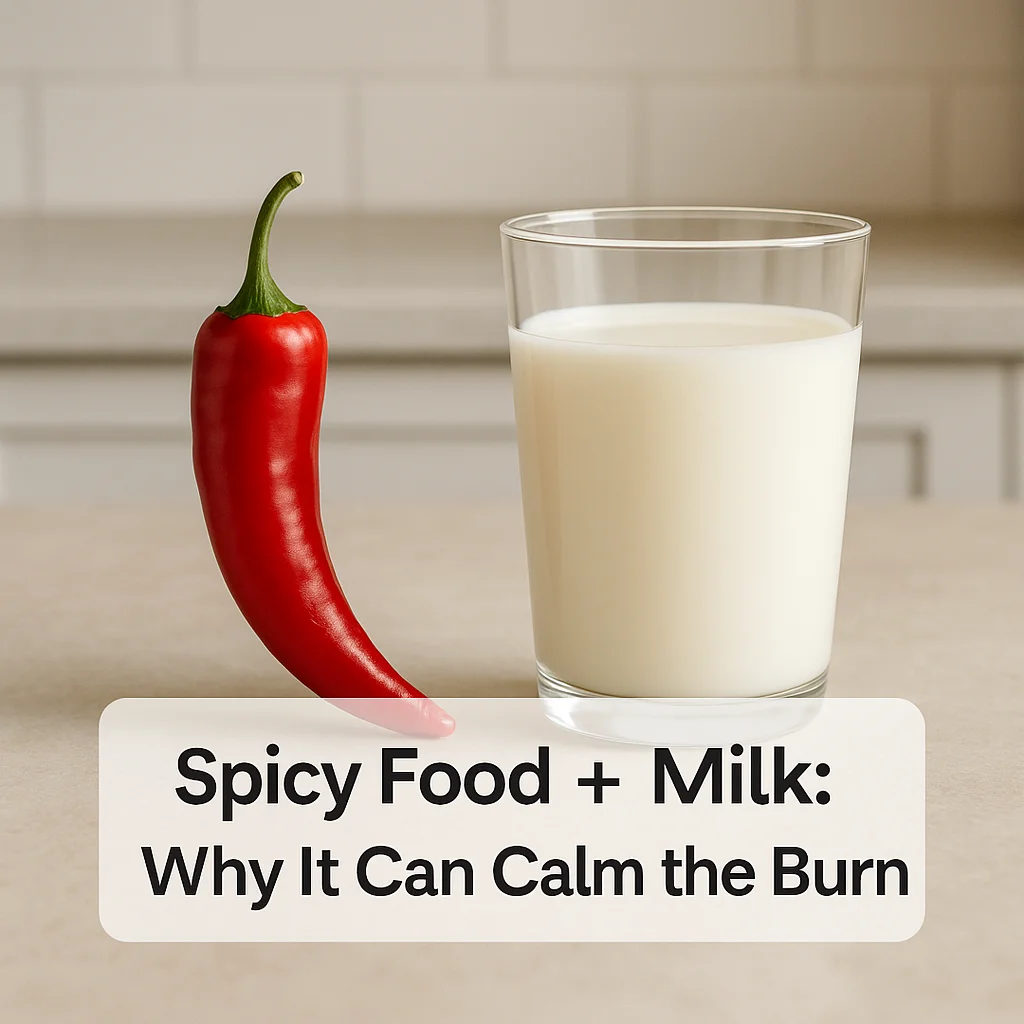
🥗 Spicy Food + Milk: Why It Can Calm the Burn
✅ Key Takeaway
Spicy foods can cause a burning sensation in the mouth and milk is often suggested as a soothing remedy. The reason behind this is the unique composition of milk that can counteract the burning compounds found in spicy foods, providing relief.
- Usually good for those who enjoy spicy foods but want relief from oral discomfort.
- Be cautious if lactose intolerant or sensitive to dairy.
- The best simple way: Drink a cold glass of whole or full-fat milk with spicy meals.
- Biggest mistake: Using flavored or flavored low-fat milk, which may not be as effective.
- One practical next step: Keep milk accessible when trying new or extra spicy dishes.
🧠 Why This Matters
For many, enjoying spicy foods comes with the downside of a fiery sensation in the mouth. This can deter individuals from indulging in their favorite spicy dishes. Understanding why milk helps soothe this sensation can improve the overall eating experience and allow people to enjoy spicy foods without as much discomfort. This can be particularly significant in cultures where spicy foods are dietary staples.
🔬 What the Science Says
The burning sensation from spicy foods is primarily due to capsaicin, a compound found in chili peppers. Capsaicin binds to receptors in the mouth that normally detect heat, triggering a sensation of burning. Milk, particularly whole milk, contains fat and a protein called casein, which helps in binding with capsaicin and washing it away. This action reduces the burning sensation because it physically removes capsaicin from the receptors on your tongue.
The effectiveness of milk can vary depending on its fat content. Whole milk is often more effective than low-fat versions, as the fat content facilitates better binding with capsaicin.
⚖️ Benefits vs Downsides
- Enjoy spicy foods without prolonged discomfort.
- Can add nutritional value through vitamins and minerals in milk.
- May improve digestion of spicy meals by soothing the digestive tract.
- A natural option compared to over-the-counter remedies.
- Not suitable for those with lactose intolerance.
- High-fat milk could increase calorie intake.
- May not be suitable for people with dairy allergies.
- Could lead to overconsumption of dairy for some individuals.
🎯 The Best Way to Apply This
- Choose whole or full-fat milk for maximum effectiveness.
- Drink a cool glass of milk alongside your meal instead of after discomfort begins.
- Experiment with portions to find the right balance that soothes effectively without excess intake.
⏰ Timing, Portions, and Frequency
Consuming milk with spicy foods is best done with the meal rather than waiting until discomfort arises. A small glass alongside your dish can be adequate for most individuals. For those sensitive to dairy, considering alternatives like yogurt might be a better option.
🤝 Best & Worst Pairings (Food Combos)
- Pairs well with: yogurt-based dips, cheese sauces, creamy curries.
- Be careful combining with: acidic foods like citrus which can exacerbate burning, non-dairy drinks that lack binding proteins and fats.
🚦Who Should Be Careful
- Individuals with lactose intolerance or dairy sensitivity.
- People with dairy allergies should avoid using milk as a remedy.
- Those watching calorie intake should consider the fat content in milk.
- If unsure, ask a pharmacist or clinician.
🧩 Common Mistakes and Fixes
- Mistake: Drinking milk after the burn is intense → Fix: Drink with the meal.
- Mistake: Using flavored milk → Fix: Use plain, whole milk for best results.
- Mistake: Not drinking enough → Fix: Experiment to find a portion that works for you.
- Mistake: Ignoring dairy-free needs → Fix: Try nut-based milks with added fats.
- Mistake: Only using low-fat milk → Fix: Choose higher fat content for better results.
- Mistake: Expecting instant results → Fix: Give it some time to bind and wash away capsaicin.
📋 Quick Checklist
- Use whole or full-fat milk for best results.
- Drink milk with spicy foods, not after discomfort starts.
- Avoid flavored or non-fat milk for optimal relief.
- If lactose intolerant, seek alternatives with similar fat content.
- Consider yogurt as a dairy alternative for the same effects.
- Monitor portion sizes to avoid excessive calorie intake.
- Pair with creamy or dairy-rich dishes for additional relief.
- Avoid mixing with acidic foods that could increase discomfort.
- Store milk within easy reach when trying spicy foods.
- If unsure about compatibility with diet, consult a professional.
📌 Summary
- Milk can help soothe the burn from spicy foods due to its fat and casein content.
- Best practice: Sip whole milk with your spicy meal.
- Be cautious: If lactose intolerant, consider alternative options.
- Easy habit to start: Pair your spicy meals with a small glass of milk.
- Consider cultural preferences and dietary restrictions when applying this method.
- Effective application can enhance enjoyment of spicy dishes without discomfort.
- Practical option for those seeking natural relief from spicy food burn.
- Main benefit: Quick, accessible solution for a common issue when eating spicy foods.