🥗 Sugar + Fat: Why It Can Feel “Addictive”
✅ Key Takeaway
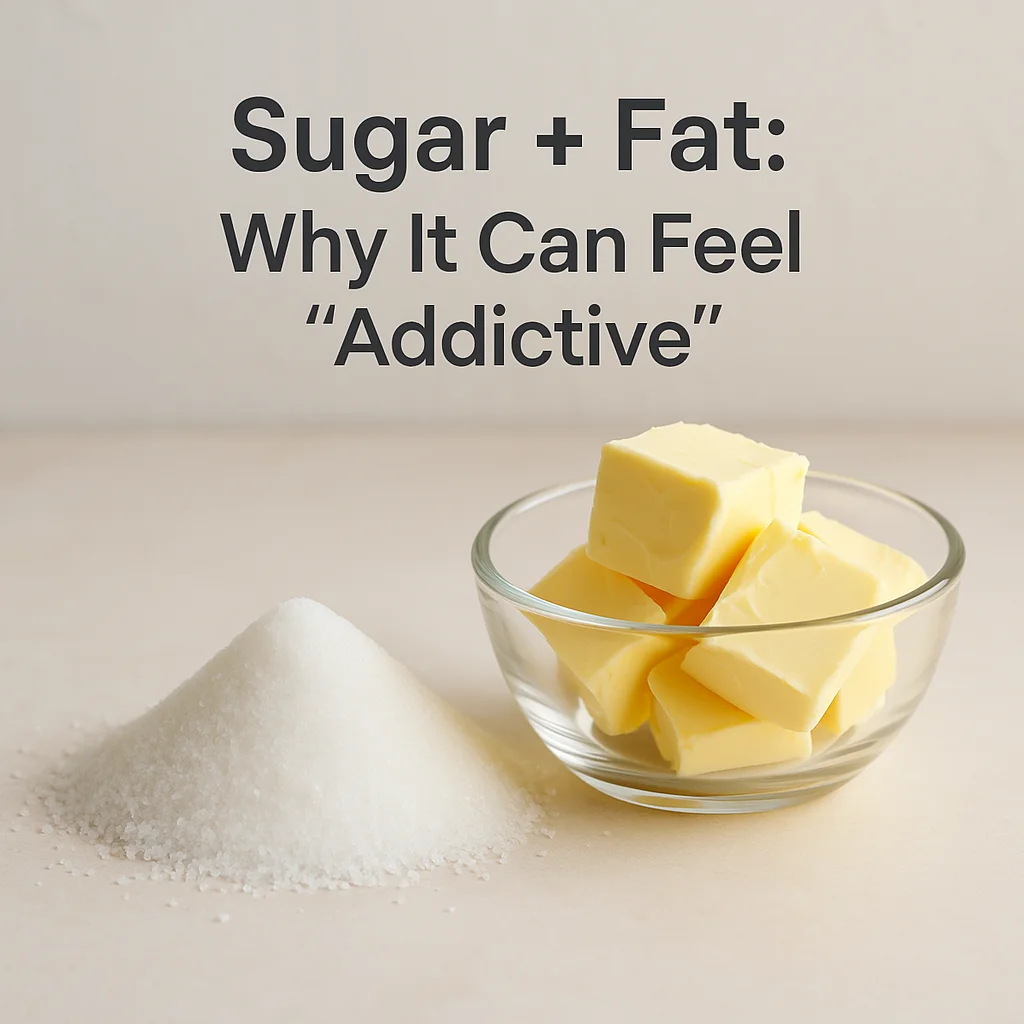
In most cases, the combination of sugar and fat can feel "addictive" due to its impact on brain chemistry and reward pathways. This mixture is engineered to be exceptionally palatable, leading to overconsumption for many people.
- Who it’s usually good for: People who need quick energy boosts might benefit from sugar and fat in moderation.
- Who should be cautious: Individuals with weight management challenges or metabolic concerns.
- Best simple way to do it: Balance out with whole foods and mindful eating.
- Biggest mistake people make: Consuming sugar and fat together mindlessly when not hungry.
- One practical “next step”: Choose snacks that pair sugar with fiber or protein instead of fat.
🧠 Why This Matters
Many people find themselves craving foods high in sugar and fat, often leading to overeating and potential negative health outcomes. Understanding why these combinations can feel "addictive" helps you make more informed eating choices, ultimately supporting better energy levels, weight management, and overall well-being.
🔬 What the Science Says
The combination of sugar and fat affects brain chemistry in ways that can enhance cravings. Sugar provides a quick energy boost and releases feel-good neurotransmitters like dopamine. When combined with fat, which adds texture and prolongs flavor, the pleasure response is amplified. This can lead to repeated consumption of these foods despite lacking hunger.
Research suggests that foods high in sugar and fat activate the brain's reward system similarly to how certain drugs do, making it difficult for some individuals to resist. However, individual responses vary, and while some may experience overwhelming cravings, others can moderate their intake more easily.
⚖️ Benefits vs Downsides
- Benefits:
- Provides quick energy.
- Enhanced flavor and satisfaction.
- May be part of a balanced diet when consumed mindfully.
- Convenient snack option.
- Cultural enjoyment in various cuisines.
- Downsides/Cautions:
- Can lead to overeating.
- Possible weight gain if consumed excessively.
- May trigger cravings in susceptible individuals.
- Potential negative impact on metabolic health.
- Often low in essential nutrients.
🎯 The Best Way to Apply This
- 1. Be mindful of portion sizes to prevent overconsumption.
- 2. Pair sugary foods with fiber or protein to stabilize blood sugar.
- 3. Opt for whole-food sources of sugars and fats like fruits and nuts.
- 4. Save sugar and fat combos for treats rather than daily staples.
- 5. Listen to your body's hunger cues before indulging.
⏰ Timing, Portions, and Frequency
Consider consuming sugar-and-fat combinations earlier in the day when you can use the energy. Keep portions akin to a small serving size, such as a handful of nuts or a small piece of dessert. Reserve sugary and fatty treats for occasional indulgence rather than everyday use.
🤝 Best & Worst Pairings (Food Combos)
- Pairs well with: Fresh fruit, whole grain crackers, yogurt, vegetables, nuts.
- Be careful combining with: Other sugar-laden drinks or juices, processed snacks, high-fat meats, sugary cereals.
🚦Who Should Be Careful
- Individuals with diabetes or prediabetes.
- Those managing weight concerns.
- Anyone with a history of food addiction or disordered eating.
- People prone to heart disease or high cholesterol levels.
- If unsure, ask a pharmacist/clinician.
🧩 Common Mistakes and Fixes
- Mistake: Eating sugar and fat when not hungry. Fix: Check in with hunger cues before eating.
- Mistake: Using sugar and fat for emotional comfort. Fix: Find non-food-related stress relievers.
- Mistake: Large portions with meals. Fix: Opt for smaller, more satisfying portions.
- Mistake: Hidden sugars and fats in processed foods. Fix: Read labels carefully to understand content.
- Mistake: Skipping meals leading to increased cravings. Fix: Maintain regular eating patterns.
- Mistake: Ignoring fiber and protein needs. Fix: Pair high-sugar and high-fat foods with fiber or protein for balance.
📋 Quick Checklist
- Recognize hunger before eating sugar and fat.
- Limit portion sizes to a small, reasonable amount.
- Pair with fiber or protein for a balanced snack.
- Avoid consuming as a daily routine.
- Read food labels for hidden sugars and fats.
- Be mindful of emotional eating triggers.
- Prefer whole foods over processed options.
- Be mindful of timing (morning to midday).
- Save treats for special occasions.
- Mix with healthier items like fruits and nuts.
- Stay hydrated to curb unnecessary cravings.
- Satisfy craving once without guilt; avoid spiraling.
📌 Summary
- Sugar and fat combos can feel "addictive" due to their impact on the brain's reward system.
- Be mindful of portion sizes and frequency.
- Key caution for those with metabolic health concerns.
- Best habit: Pair sugary snacks with high-fiber foods.
- Helpful to consume earlier in the day.
- Limit to occasional treats.
- Combine with nutrient-dense foods for balance.
- Avoid processed snacks that mask sugar and fat content.
- Stay informed about food labels.
- Incorporate emotional wellbeing strategies to reduce reliance on food.
- If unsure about health impacts, consult professionals.