🥗 Black Soybeans: Why They’re Popular for Hair and Skin
✅ Key Takeaway
Black soybeans are becoming popular for hair and skin health due to their rich nutrient content, including antioxidants and proteins. These nutrients play a role in supporting healthy hair and skin, potentially improving their appearance over time.
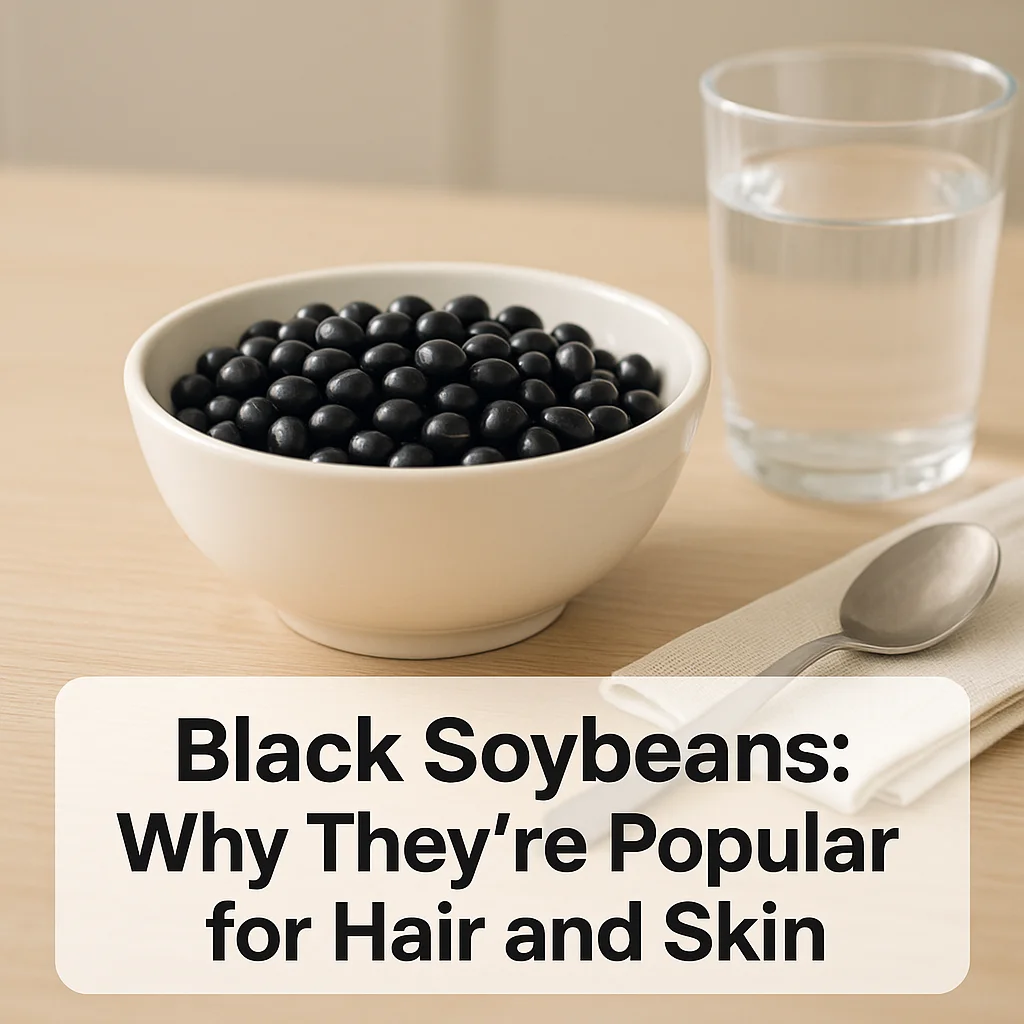
- Good for those looking to enhance hair and skin health naturally.
- Those with soy allergies or hormonal sensitivities should be cautious.
- Best used as part of a balanced diet and healthy lifestyle.
- Biggest mistake: Over-relying on soybeans for skin and hair health without holistic care.
- Next step: Incorporate black soybeans into weekly meal planning for balanced nutrition.
🧠 Why This Matters
The desire for healthy hair and skin is universal. Many people seek natural ways to achieve this, avoiding synthetic products whenever possible. Black soybeans present a dietary approach to enhancing hair and skin, making them relevant for those pursuing natural wellness.
Globally accessible and relatively affordable, they offer an appealing option for people interested in nutrition-based health improvements.
🔬 What the Science Says
Black soybeans contain antioxidants, like anthocyanins, which may protect cells from damage. This protection could contribute to healthier skin, potentially reducing signs of aging. Additionally, their protein content supports hair structure and growth.
While some studies suggest positive outcomes, evidence on the specific impact of black soybeans on hair and skin is still emerging. Personal results can vary due to genetic and lifestyle factors.
⚖️ Benefits vs Downsides
-
Benefits:
- Rich in antioxidants, potentially reducing oxidative stress.
- High in proteins, supporting healthy hair growth.
- Contains essential fatty acids, contributing to skin moisture.
- Good source of vitamins and minerals that promote skin health.
-
Downsides:
- May cause allergic reactions in susceptible individuals.
- Possible hormonal effects due to phytoestrogens.
- Overconsumption might lead to digestive discomfort.
- Evidence is still not conclusive and results may vary.
🎯 The Best Way to Apply This
- Incorporate black soybeans into meals a few times a week.
- Pair with a variety of other nutrient-rich foods for a balanced diet.
- Monitor any changes in hair and skin over several months.
- Ensure you also maintain a comprehensive skincare and haircare routine.
⏰ Timing, Portions, and Frequency
Black soybeans can be consumed at any time of day. They’re versatile and can be added to salads, soups, or as a main dish protein. Aim for a small bowl or a handful at a time, complementing other proteins in your diet.
If considering supplements, always read labels carefully and stay within the manufacturer’s recommendations.
🤝 Best & Worst Pairings (Food Combos)
-
Pairs well with:
- Whole grains, like quinoa or brown rice.
- Leafy greens and vibrant vegetables.
- Healthy fats, such as avocados or nuts.
-
Be careful combining with:
- Excessive soy products, which may affect hormones.
- Heavy processed foods, which might lower nutritional quality.
- Caffeine sources if you have soy sensitivity.
🚦Who Should Be Careful
- Individuals with soy allergies.
- People with thyroid conditions should monitor their intake.
- Pregnant or breastfeeding women should consult healthcare professionals.
- Anyone on hormone-sensitive medications should seek clinician advice.
- If unsure, ask a pharmacist/clinician.
🧩 Common Mistakes and Fixes
- Relying solely on black soybeans for beauty - Fix: Embrace a holistic approach that includes varied nutrients.
- Ignoring potential allergies - Fix: Introduce slowly and watch for reactions.
- Overeating due to perceived benefits - Fix: Balance with other protein sources.
- Skipping fiber-rich sides - Fix: Pair with high-fiber foods for digestion.
- Not diversifying diet - Fix: Incorporate an array of colorful fruits and veggies.
- Assuming immediate results - Fix: Allow time and maintain an overall healthy lifestyle.
📋 Quick Checklist
- Check for soy allergies before trying.
- Incorporate into meals a few times weekly.
- Pair with whole grains and healthy fats.
- Maintain balanced nutrition overall.
- Consult professionals if on hormone-related meds.
- Don’t over-rely on soybeans for hair and skin health.
- Watch for any digestive discomfort.
- Allow several months to notice changes.
- Keep skincare and haircare routines consistent.
- Introduce gradually to assess tolerance.
- Avoid excessive processed soy products.
- Include diverse nutrients for the best results.
📌 Summary
- Black soybeans can support hair and skin health due to valuable nutrients.
- Best used as part of a varied and balanced diet.
- Caution needed for those with allergies or hormone sensitivities.
- Easy to start by adding them to meals a few times per week.
- Avoid relying solely on soybeans for beauty benefits.
- Ensure comprehensive dietary and skincare practices for best results.
- Enhance with grains, vegetables, and healthy fats for optimal nutrition.
- Gradually introduce to watch for adverse reactions.
- Stay informed about individual health conditions while consuming.