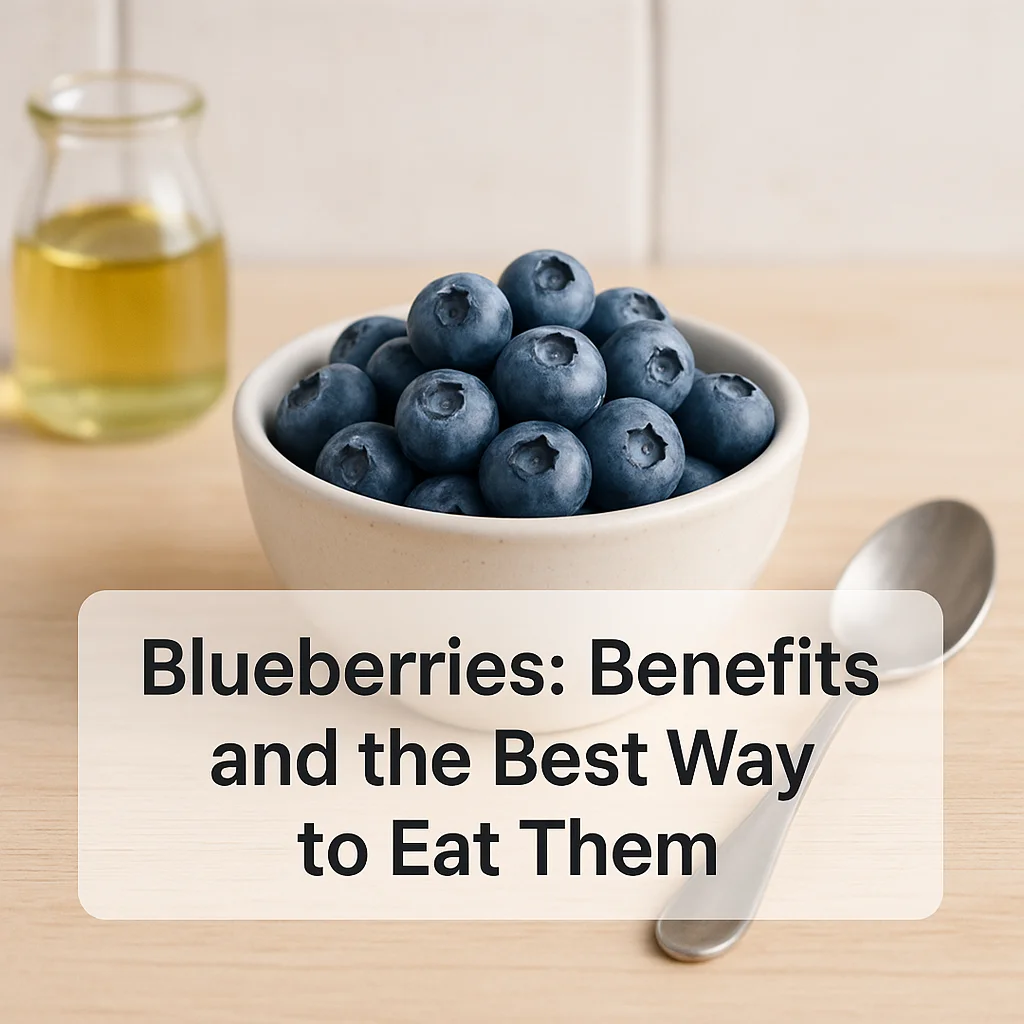
🥗 Blueberries: Benefits and the Best Way to Eat Them
✅ Key Takeaway
Blueberries are a delicious and nutritious addition to most diets. In most cases, they are considered good for you due to their rich nutrient profile and potential health benefits. However, as with any food, moderation is key, and some individuals may need to be cautious when incorporating them into their diet.
- Who it’s usually good for: Most people looking to add a nutrient-rich fruit to their diet.
- Who should be cautious: Individuals with berry allergies or those on specific medications.
- Best simple way to do it: Eat them fresh, by the handful, or add to breakfast items.
- Biggest mistake people make: Relying too heavily on blueberry supplements over whole berries.
- One practical “next step”: Incorporate fresh blueberries into your morning routine.
🧠 Why This Matters
In today's fast-paced world, maintaining a balanced diet can be challenging. Blueberries offer a simple solution to boost nutritional intake without requiring complicated meal planning. Their convenience and versatility make them a practical choice for enhancing energy, satisfying cravings, and supporting overall well-being globally.
🔬 What the Science Says
Blueberries are packed with antioxidants, particularly anthocyanins, which are thought to have anti-aging and anti-inflammatory properties. They may contribute to heart health by influencing blood sugar levels and improving antioxidant defenses. The fiber content in blueberries also supports digestive health. While evidence is largely positive, some studies emphasize moderation and the need for more research to solidify these benefits fully.
⚖️ Benefits vs Downsides
- Benefits:
- High in antioxidants
- Supports heart health
- May improve brain function
- Promotes digestive health
- Rich in vitamins C and K
- Downsides/Cautions:
- Possible allergen for some
- High sugar content in large amounts
- Potential interaction with certain medications
- Non-organic may have pesticide residues
🎯 The Best Way to Apply This
- Add blueberries to your breakfast cereal or oatmeal.
- Include them in smoothies for a nutritional boost.
- Use as a topping for yogurt or pancakes.
- Snack on them fresh or freeze for later use.
⏰ Timing, Portions, and Frequency
Blueberries can be enjoyed at any time of the day. A small bowl or handful served as part of your breakfast or as a snack ensures you receive their benefits without overconsuming. While they can be part of any meal, they pair particularly well with breakfast foods and snacks.
🤝 Best & Worst Pairings (Food Combos)
- Pairs well with:
- Yogurt and granola
- Whole grain cereals
- Nuts and seeds
- Leafy greens in salads
- Be careful combining with:
- Sugary cereals
- Syrupy pancakes
- High-sodium products
🚦Who Should Be Careful
- Those with berry allergies
- People on blood-thinning medications
- Individuals with a sensitivity to fructose
- Elderly with issues chewing fresh berries
- If unsure, ask a pharmacist/clinician.
🧩 Common Mistakes and Fixes
- Eating too many: Moderate your portion sizes.
- Buying out-of-season: Choose frozen blueberries.
- Overwashing: Gently rinse them to prevent spoilage.
- Ignoring potential allergies: Introduce slowly if unsure.
- Relying on processed treats: Focus on fresh or frozen forms.
- Forgetting variety: Combine with other fruits for a broader nutrient profile.
📋 Quick Checklist
- Add a handful to breakfast.
- Mix into smoothies.
- Choose organic when possible.
- Incorporate into baked goods sparingly.
- Keep on hand as a quick snack.
- Freeze excess for later.
- Monitor portion sizes if diabetic.
- Pair with nuts for increased satiation.
- Check for pesticide residues if not organic.
- Experiment with salads and savory dishes.
📌 Summary
- Yes, blueberries are generally good for you.
- Best method: fresh or frozen, incorporated into meals.
- Key cautions: allergies, medication interactions.
- Start today: add a handful to your breakfast.
- Versatile in smoothies, yogurt, or straight by the handful.
- Watch sugar content in processed blueberry products.
- Mind portions, especially if concerned about sugar.
- An excellent source of antioxidants for combatting oxidative stress.
- Can improve heart health and support cognitive function.
- Select organic when feasible to minimize pesticide exposure.
- Ask a clinician if unsure about drug interactions.
- Enjoy as a simple, nutrient-dense addition to most meals.