🥗 Broccoli: Does Blanching Remove All the Nutrients?
✅ Key Takeaway
In most cases: no, blanching does not remove all the nutrients from broccoli. While some nutrient loss occurs, blanching can actually help retain certain vitamins and make broccoli safer and more palatable to eat.
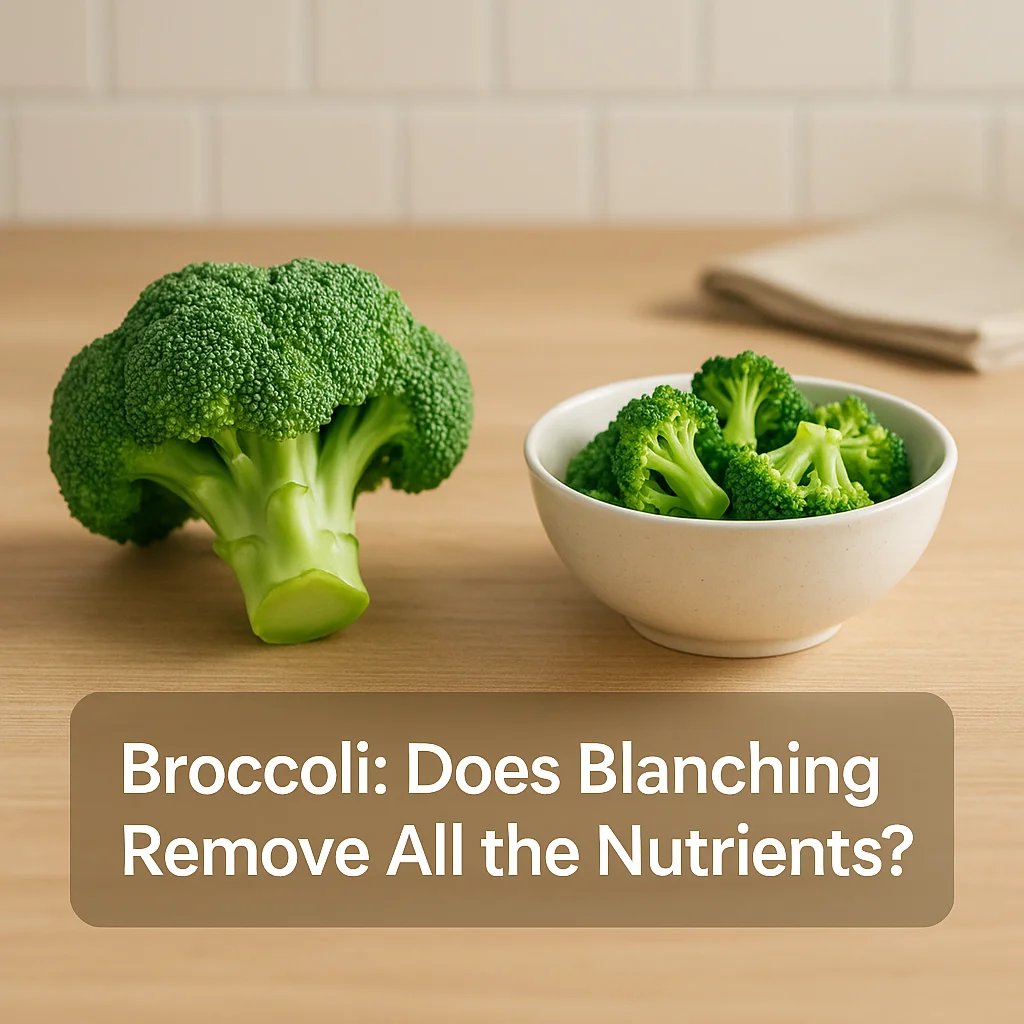
- Good for: Those who enjoy crisp, bright green vegetables.
- Be cautious if: You rely solely on blanching and skip other cooking methods.
- Best way: Briefly blanch in boiling water, then cool quickly in ice water to halt cooking.
- Common mistake: Overcooking, which can lead to further nutrient loss.
- Next step: Try blanching broccoli and other vegetables as part of meal prep.
🧠 Why This Matters
Many people struggle with incorporating adequate vegetables into their diet, and broccoli is a powerhouse of essential nutrients. Cooking methods can influence the nutrient retention in vegetables like broccoli. Blanching offers a quick way to prepare vegetables, ensuring they are still nutritious and palatable. This matters for maintaining energy levels, supporting digestion, and aiding overall health.
🔬 What the Science Says
Blanching vegetables like broccoli involves briefly boiling them before cooling them rapidly in ice water. This process can cause minor nutrient loss, particularly water-soluble vitamins like vitamin C and some B vitamins. However, the nutrient loss is generally less than with other methods such as boiling or frying. Blanching can help retain the vibrant color and texture of broccoli, making it more appealing in meals.
Research suggests that while some nutrients are slightly diminished, blanching helps deactivate enzymes that can lead to the deterioration of quality and other nutrients over time. Therefore, it can be a beneficial step in preparing broccoli for longer storage or freezing.
⚖️ Benefits vs Downsides
- Benefits:
- Retains bright color and crispness.
- Preserves more nutrients than boiling.
- Enhances the digestibility of broccoli.
- Kills bacteria and reduces pesticide residues.
- May improve taste, making it more enjoyable.
- Useful for preparing broccoli for freezing.
- Reduces oxalates, which can affect mineral absorption.
- Downsides:
- Slight loss of some water-soluble vitamins.
- Requires additional steps and time.
- Over-blanching can lead to nutrient reduction.
- May not retain as much flavor as roasting.
- Some individuals may not prefer the texture.
- Potential for contamination if cooling water isn't cold.
🎯 The Best Way to Apply This
- Bring a pot of water to a boil.
- Add broccoli florets and let them cook for about 2-3 minutes.
- Immediately transfer broccoli to a bowl of ice water for 2-3 minutes to stop cooking.
- Drain well and pat dry with a clean towel.
- Use in salads, stir-fries, or freeze for later use.
⏰ Timing, Portions, and Frequency
Blanching is best done shortly before meal preparation to ensure fresh quality. Ideal portion size can vary, but a small bowl or a few fleurets are recommended. Use blanching for meal prep twice a week, ensuring you have ready-to-eat broccoli available for various dishes throughout the week.
🤝 Best & Worst Pairings (Food Combos)
- Pairs well with:
- Nuts and seeds for added crunch and flavor.
- Cheese for a creamy texture complement.
- Stir-fried meats or tofu for balanced meals.
- Grains like quinoa or brown rice for a complete meal.
- Be careful combining with:
- Strongly flavored dressings that overpower broccoli's flavor.
- High-acid foods which may alter texture.
- Raw onions if you prefer milder flavor profiles.
🚦Who Should Be Careful
- Individuals with thyroid conditions as cruciferous vegetables can affect hormone synthesis.
- Those with kidney concerns should consult about oxalate content.
- If unsure, ask a pharmacist/clinician.
🧩 Common Mistakes and Fixes
- Overcooking → Set a timer to prevent overcooking.
- Using warm water to cool → Use ice water to efficiently stop cooking.
- Blanching too far in advance → Do it close to the time you plan to eat or store.
- Ignoring salt in water → A pinch can help enhance broccoli's flavor.
- Skipping the drying step → Drain and pat dry to avoid sogginess.
- Not enough ice in water → Use plenty of ice to keep water cold.
- Leaving broccoli in ice water too long → Remove after 2-3 minutes to keep texture.
- Discarding the cooking water immediately → Can use for soup stocks.
📋 Quick Checklist
- Gather enough ice for blanching.
- Prepare a large bowl for ice water.
- Ensure your pot is large enough for ample boiling space.
- Be mindful of timing to avoid overcooking.
- Use a strainer or slotted spoon to transfer broccoli quickly.
- Cool in ice water for a precise duration.
- Taste test to ensure desired texture.
- Dry thoroughly after cooling.
- Use in a variety of dishes for added nutrients.
- Consider recipe pairings to enhance meals.
- Try different vegetables along with broccoli.
- Pay attention to texture preferences.
- Always clean equipment properly before and after use.
📌 Summary
- Blanching doesn't remove all nutrients; it's gentle.
- Employ quick boil and ice bath technique.
- Helps maintain the color and crunch of broccoli.
- Main caution: Avoid overcooking.
- Try blanching prior to freezing broccoli for later use.
- Pairs well with grains, nuts, and proteins.
- Cautious use among those with thyroid issues.
- Common mistake: Overcooking or improper cooling.
- Incorporate blanched broccoli into meal prep.
- Accessibility: Quick and suitable for various dishes.
- Practical benefit: Enhances digestibility and flavor.