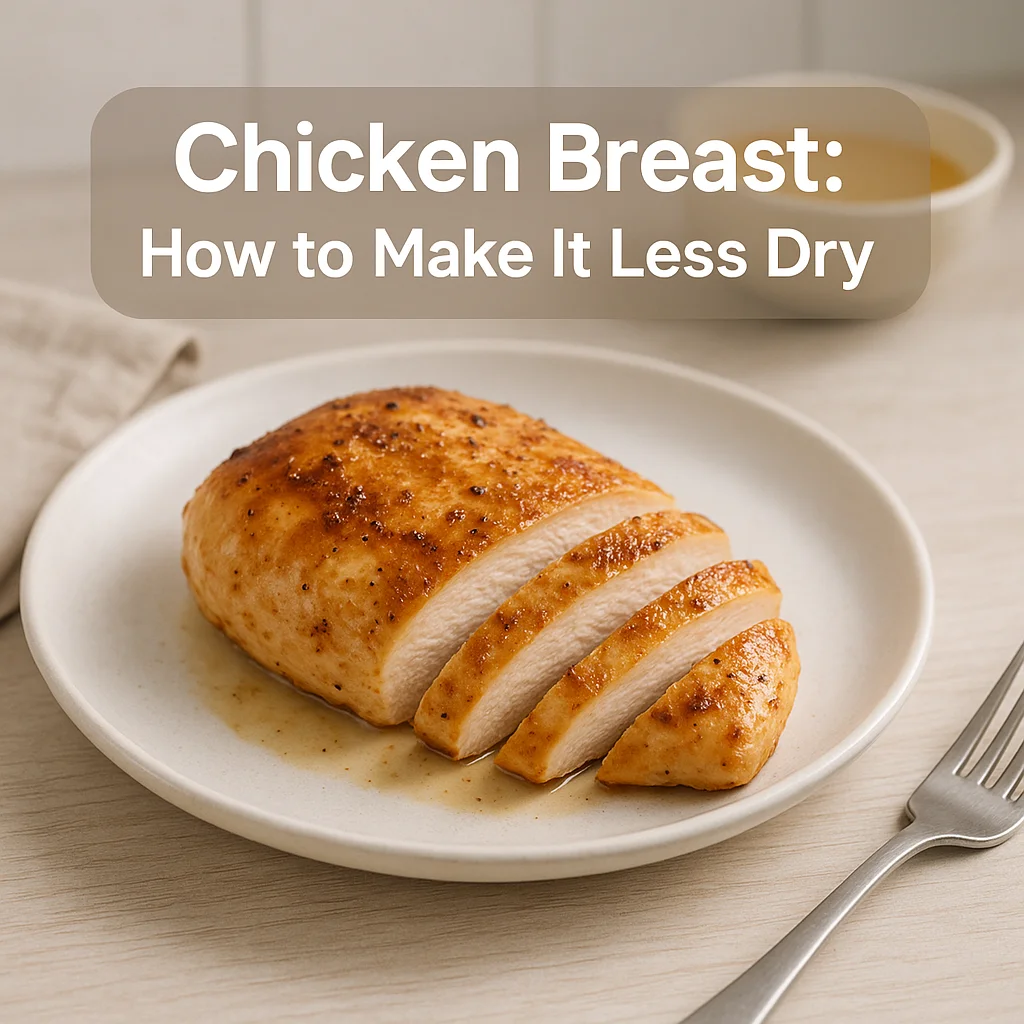
🥗 Chicken Breast: How to Make It Less Dry
✅ Key Takeaway
If you're struggling with dry chicken breast, there are practical ways to ensure it remains juicy and flavorful. Simply adjusting your cooking techniques can make a significant difference.
- Who it’s usually good for: Anyone looking for a lean protein source that's low in fat.
- Who should be cautious: Those with specific dietary restrictions or allergies, like avoiding high-protein intake.
- Best simple way to do it: Brine the chicken before cooking to enhance moisture.
- Biggest mistake people make: Overcooking due to fear of underdone meat.
- One practical “next step”: Try marinating your chicken or experimenting with cooking at lower temperatures.
🧠 Why This Matters
Dried-out chicken breast not only makes your meal less enjoyable, but it can also deter people from choosing this nutritious option. A juicy, well-cooked chicken breast is not only more palatable but can help maintain motivation for healthy eating habits.
Since protein is a staple for muscle repair and growth, as well as energy maintenance throughout the day, ensuring it is enjoyable to eat helps you maintain a balanced diet without the risk of resorting to less healthy options.
🔬 What the Science Says
The texture and moisture of chicken breast are influenced by the cooking process. High heat and prolonged cooking times draw out moisture, resulting in dry meat. Brining, marinating, and using appropriate cooking strategies can help retain moisture by altering the protein structure, allowing it to hold more water.
Additionally, proper cooking techniques can help preserve nutrients and flavor, making your meal both delicious and nutritious. The use of a meat thermometer can also play a crucial role in preventing overcooking by ensuring the chicken reaches the safe internal temperature.
⚖️ Benefits vs Downsides
- Benefits:
- High protein content supports muscle health.
- Low in fat, aiding in weight management.
- Versatile in meals, pairing with numerous flavors.
- Easy to prepare with the right techniques.
- Rich in B vitamins important for energy metabolism.
- Downsides/Cautions:
- Can become dry and unpalatable if overcooked.
- Lack of flavor unless seasoned or marinated.
- The risk of bacterial contamination if undercooked.
- May become less desirable after frequent consumption.
🎯 The Best Way to Apply This
- Step 1: Start by brining your chicken for at least 30 minutes in a solution of salt and water.
- Step 2: Pat the chicken dry and marinate with choice of herbs and spices for added flavor.
- Step 3: Use a meat thermometer to ensure cooking to an internal temperature of 165°F (74°C).
- Step 4: Opt for methods like poaching, grilling at lower temperatures, or using a sous-vide technique.
⏰ Timing, Portions, and Frequency
Timing your chicken preparation is critical. Consider marinating it the day before for maximum flavor, or brining in the morning for dinner use. The portion size for chicken breast can be roughly "the size of your palm," allowing for flexibility based on dietary needs.
It's generally beneficial to include chicken breast a few times a week in your diet, ensuring it remains diverse with other protein sources for balanced nutrition.
🤝 Best & Worst Pairings (Food Combos)
- Pairs well with:
- Whole grains like quinoa or brown rice.
- Roasted vegetables such as carrots and broccoli.
- Leafy greens like spinach or kale.
- Be careful combining with:
- Heavy cream sauces that can overpower the flavor.
- Overly acidic ingredients that might toughen the meat if used incorrectly.
🚦 Who Should Be Careful
Individuals with advanced kidney disease should be cautious about high protein intake, which may affect kidney function. People with specific allergies or conditions requiring a low-protein diet should consult a nutritionist before incorporating chicken breast frequently. If unsure, ask a pharmacist or clinician for personalized advice.
🧩 Common Mistakes and Fixes
- Overcooking → Use a meat thermometer to achieve precise doneness.
- Insufficient seasoning → Try marinating or using spice rubs for flavor.
- Cooking at high heat → Opt for lower, slower cooking methods to retain moisture.
- Skipping the brining step → Ensure juiciness by brining for at least 30 minutes.
- Not resting the meat → Let cooked chicken rest to redistribute juices.
- Using improper tools → Invest in a good non-stick pan or grilling surface.
- Cooking straight from the fridge → Allow chicken to reach room temperature before cooking.
📋 Quick Checklist
- Brine chicken before cooking.
- Season with a variety of herbs and spices.
- Use a meat thermometer for accuracy.
- Cook at lower temperatures to prevent drying out.
- Experiment with different cooking methods.
- Rest chicken after cooking to retain juices.
- Vary seasonings to keep meals interesting.
- Portion control by using visual cues like "palm size".
- Incorporate chicken breast into diverse meal types.
- Be mindful of dietary restrictions or allergies.
- Pair with healthy foods like vegetables and grains.
📌 Summary
- The direct answer: Use moisture-retaining techniques to prevent dryness.
- Best method: Brine and control cooking temps/time.
- Key cautions: Avoid high heat and use a thermometer.
- Easiest habit to start today: Begin brining your chicken.
- Who benefits most: Those seeking lean protein options.
- Who should be cautious: People with specific dietary needs.
- The critical next step: Experiment with cooking techniques.
- Flexibility in meals: Pair with grains and vegetables.