🥗 Lemons: How to Eat Them Without Harming Teeth
✅ Key Takeaway
Lemons can be a nutritious addition to your diet, but their high acidity can pose a risk to dental health. Understanding how to enjoy lemons without harming your teeth is crucial. Choose methods that minimize direct contact between lemon juice and your teeth.
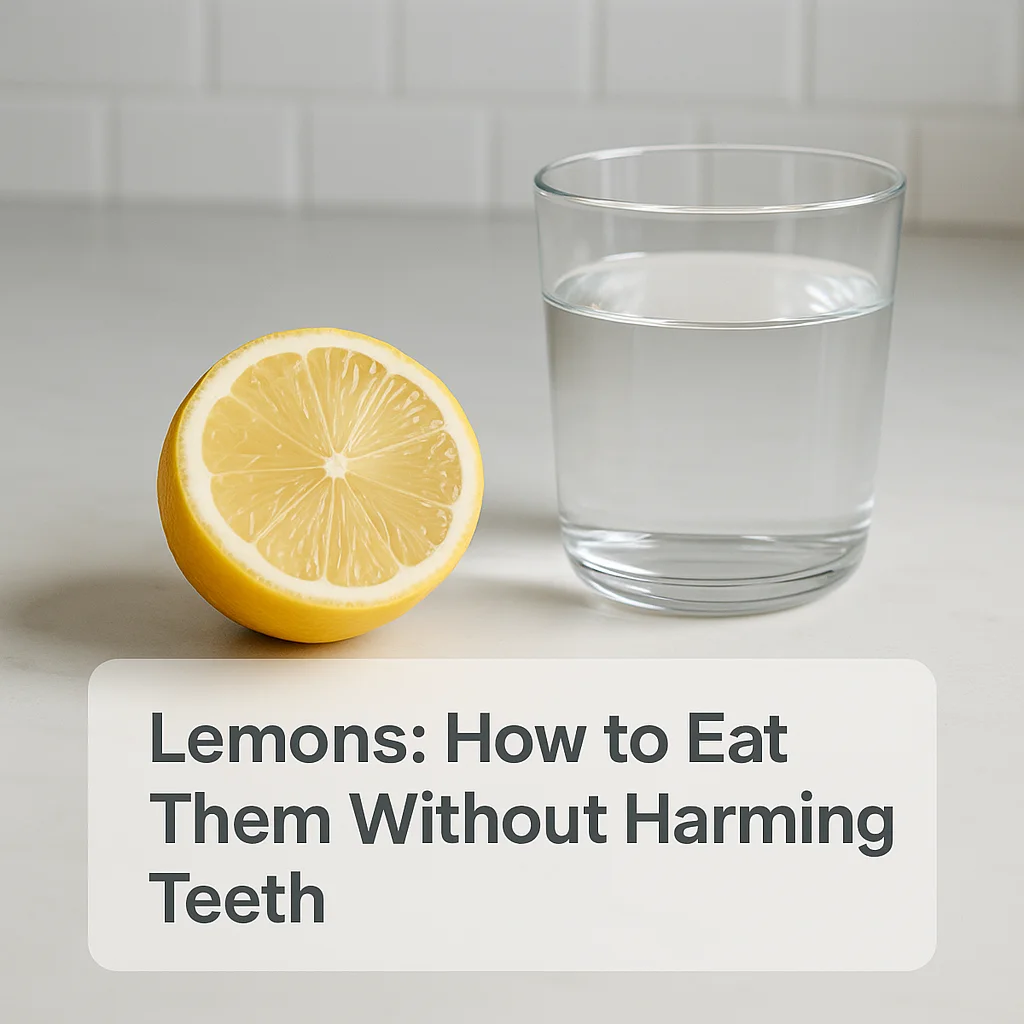
- Who it’s usually good for: Those looking to boost vitamin C intake.
- Who should be cautious: Individuals with sensitive teeth or enamel erosion.
- Best simple way to do it: Drink lemon water with a straw to avoid teeth contact.
- Biggest mistake people make: Consuming undiluted lemon juice frequently.
- One practical “next step”: Rinse your mouth with water after consuming lemons.
🧠 Why This Matters
Lemons are a popular choice for their refreshing taste and health benefits, prominently their high vitamin C content. However, the acidity in lemons can erode dental enamel, leading to sensitivity and increased risk of cavities. Knowing how to consume lemons safely can help maintain both nutrition and dental health.
🔬 What the Science Says
Lemons are acidic, with a pH that can weaken dental enamel over time. The acid in lemons is capable of softening the enamel, which can then be worn away by brushing or other abrasive actions. By consuming lemons responsibly, the benefits such as improved hydration and vitamin C intake can be maintained without the downsides.
The evidence on dental erosion is clear, though manageable with proper dental care and mindful consumption techniques. Drinking lemon water through a straw is one recognized method to minimize acid contact with teeth.
⚖️ Benefits vs Downsides
- Benefits:
- Rich source of vitamin C.
- Can enhance hydration.
- May support digestion.
- Contains plant compounds with antioxidant properties.
- Downsides/Caution:
- High in citric acid, which can erode dental enamel.
- May cause mouth irritation in some people.
- Excessive consumption can lead to digestive discomfort.
- Can interact with certain medications; consult a clinician if needed.
🎯 The Best Way to Apply This
- Use a straw when drinking lemon-infused beverages to minimize teeth contact.
- Rinse your mouth with water after consuming lemons to neutralize acidity.
- Avoid brushing your teeth immediately after consuming acidic foods.
- Consider consuming lemons with meals to buffer the acid.
- Limit frequency of lemon consumption to reduce the risk of enamel erosion.
⏰ Timing, Portions, and Frequency
Consuming lemons in moderation is key. Aim to incorporate them within balanced meals. Drinking lemon water in the morning can be refreshing, but ensure it’s not the sole beverage consumed throughout the day. A small glass of diluted lemon water can serve as a practical portion guide.
🤝 Best & Worst Pairings (Food Combos)
Lemons pair well with:
- Herbal teas
- Salads with leafy greens
- Grilled fish or poultry
Be careful combining with:
- Highly acidic fruits like oranges and grapefruits
- Sugary drinks that can exacerbate enamel erosion
- Sticky sweets that may adhere to softened enamel
🚦Who Should Be Careful
- Individuals with preexisting dental conditions such as enamel erosion.
- Those prone to acid reflux, as excess acidity may exacerbate symptoms.
- People on certain medications that can interact with high-acid foods.
- If unsure, ask a pharmacist/clinician.
🧩 Common Mistakes and Fixes
- Consuming directly from lemon: Use in diluted form instead.
- Forgetting to rinse after consumption: Always rinse to reduce acidity.
- Brushing immediately after: Wait at least 30 minutes before brushing.
- Using sugary lemonades: Opt for homemade, sugar-free versions.
- Ignoring dental sensitivity: Use a straw to minimize tooth exposure.
- Excess intake: Limit lemon juice to reasonable amounts within meals.
📋 Quick Checklist
- Use straws to protect your teeth from direct acid exposure.
- Rinse mouth with water post-consumption.
- Avoid brushing teeth immediately after eating lemons.
- Pair with meals to mitigate acidity.
- Limit frequency of lemon intake.
- Pair lemons with non-acidic foods.
- Avoid sugary lemon beverages.
- Consult with a healthcare provider for medication interactions.
- Avoid if prone to acid reflux.
- Monitor for dental sensitivity.
- Use homemade lemon water over store-bought.
- Consider dental health products that protect enamel.
- Stay informed about dental hygiene practices.
📌 Summary
- Lemons are nutritious but can harm teeth if consumed improperly.
- Use a straw to drink lemon water and minimize teeth contact.
- Always rinse your mouth after consuming lemons.
- Avoid brushing your teeth immediately after eating lemons.
- Be cautious if you have sensitive teeth or acid reflux.
- Pair lemons with non-acidic foods for a balanced meal.
- Avoid sugary lemon drinks which can increase dental health risks.
- If unsure about medication interactions, ask a pharmacist/clinician.
- Moderate lemon intake to protect enamel.
- Practice good oral hygiene to mitigate the effects of acidity.
- Start by integrating lemon water into your morning routine safely.