🥗 Lentils: A Beginner-Friendly Guide to Eating Them
✅ Key Takeaway
Lentils are a nutritious and versatile food that can easily fit into many diets. In most cases, they are good for you due to their high protein and fiber content. However, they may not be suitable for everyone, particularly those with digestive disorders.
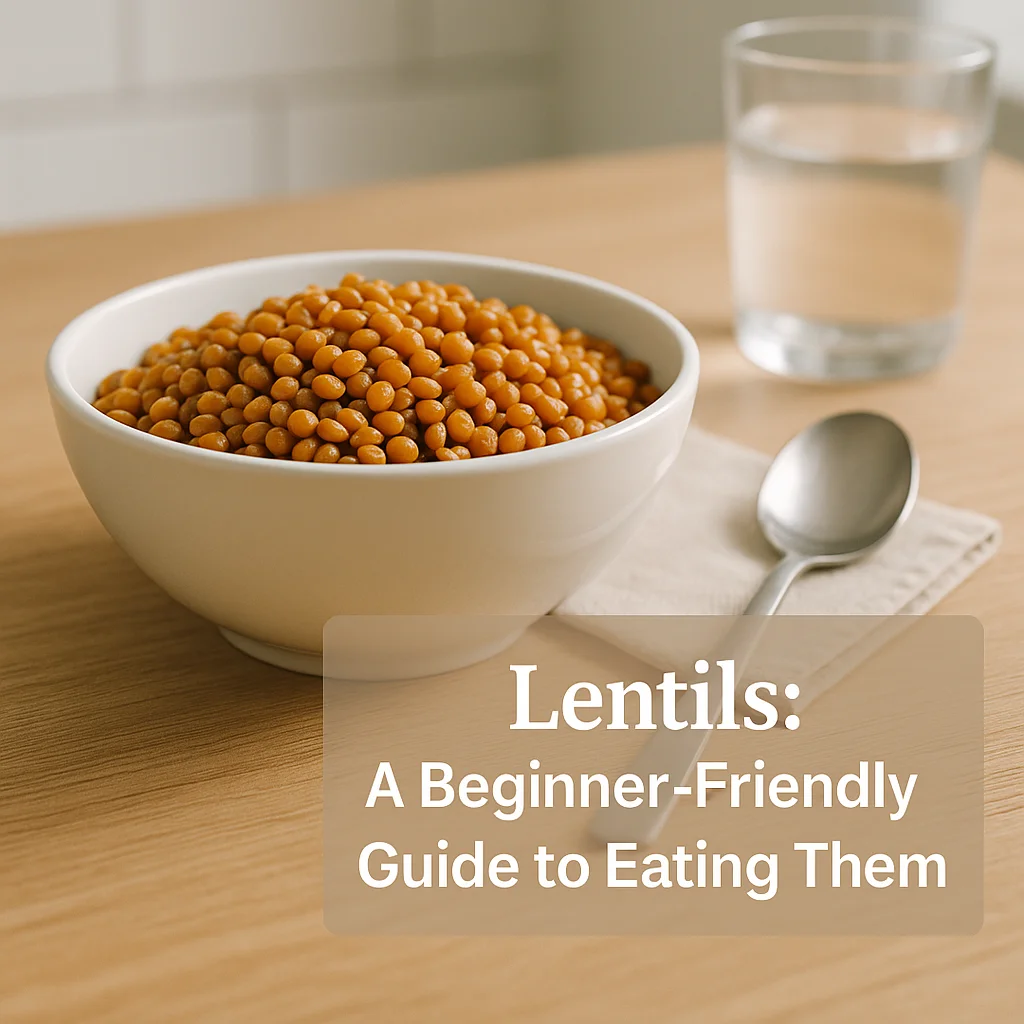
- Who it’s usually good for: Vegetarians, vegans, and those wanting more protein and fiber.
- Who should be cautious: Individuals with digestive issues or those prone to high flatulence.
- Best simple way to do it: Add cooked lentils to soups, stews, or salads.
- Biggest mistake people make: Not soaking or properly cooking lentils before consumption.
- One practical “next step”: Experiment with adding a small amount of lentils to your next meal.
🧠 Why This Matters
Incorporating lentils into your diet can be beneficial for overall health, including aiding in digestion, providing necessary nutrients, and supporting a balanced diet. In an era where processed foods are prevalent, lentils offer a natural and wholesome option. They are also cost-effective, making them an ideal choice for those seeking affordable nutrition worldwide.
🔬 What the Science Says
Lentils are rich in protein and fiber, which can support digestive health and help maintain stable blood sugar levels. They contain essential minerals such as iron and folate. The fiber content in lentils is beneficial for gut health and may promote a feeling of fullness, aiding in weight management.
Research suggests that regular consumption of lentils can contribute to lower cholesterol levels and improved heart health. However, some individuals may experience digestive discomfort due to the oligosaccharides found in lentils, which can cause gas and bloating for some people.
⚖️ Benefits vs Downsides
- Benefits: High in protein, excellent source of fiber, supports heart health, versatile in cooking, and rich in essential vitamins and minerals.
- Downsides: Can cause digestive discomfort, potential food intolerance, may require soaking, possible interference with certain mineral absorption, and not suitable for low-fiber diets.
🎯 The Best Way to Apply This
- Rinse lentils thoroughly to remove any debris.
- Soak lentils for a few hours to reduce cooking time and improve digestibility.
- Cook lentils with water or broth until tender.
- Incorporate them into soups, salads, or as a side dish.
- Start with small portions to gauge your body's response.
⏰ Timing, Portions, and Frequency
Lentils can be enjoyed at any time of day. They generally serve well as lunch or dinner options. Portion size can vary, but a typical serving might be around a small bowl's worth. If you're new to lentils, start with smaller amounts and increase as desired. They can be a regular part of your diet, but it's often best to balance with other protein sources.
🤝 Best & Worst Pairings (Food Combos)
- Pairs well with: Vegetables like carrots and spinach, whole grains such as rice or quinoa, proteins like chicken or tofu.
- Be careful combining with: Foods high in saturated fats, acidic condiments, excessive spices, or other high-fiber foods if you are sensitive.
🚦Who Should Be Careful
- Individuals with irritable bowel syndrome (IBS) or other digestive disorders.
- Those with a history of food intolerances, particularly to legumes.
- People with mineral absorption issues due to digestive disorders.
- If on specific medications, consult a pharmacist or clinician when uncertain.
🧩 Common Mistakes and Fixes
- Not rinsing lentils before cooking → Always rinse well under running water.
- Skipping soaking → Soak to reduce cooking time and improve digestion.
- Overcooking and making them mushy → Monitor cooking time and texture.
- Repetitive preparation styles → Try different recipes to keep meals interesting.
- Ignoring potential allergies → Start small if you are consuming lentils for the first time.
- Adding salt too early → Only add salt once lentils are nearly cooked to prevent hardness.
- Not chewing food thoroughly → Ensure proper chewing to aid digestion.
- Using high heat → Cook on moderate to low heat for better texture.
📋 Quick Checklist
- Rinse lentils thoroughly before cooking.
- Consider soaking lentils for better digestion.
- Cook lentils until just tender.
- Start with small servings if you have digestive concerns.
- Avoid heavy spices or acidic foods with lentils initially.
- Pair with vegetables and whole grains for a balanced meal.
- Incorporate in various dishes like soups or salads.
- Chew lentils thoroughly when eating.
- Store cooked lentils in the refrigerator for easy access.
- If new to lentils, try different colors and types for variety.
📌 Summary
- Lentils are generally good for you, notable for being high in protein and fiber.
- They are versatile and can be included in various meals such as salads and soups.
- People with certain digestive issues should consume lentils cautiously.
- Always rinse and consider soaking lentils for better digestibility.
- Cook lentils until tender for optimal texture.
- Start with small portions to gauge tolerance.
- Pair them with vegetables or grains for a nutritive boost.
- Avoid heavy spices if sensitive to high fiber foods.
- Lentils are a practical addition to a balanced diet.
- Experiment with different types to find your preferred flavor and texture.