🥗 Oats (Oatmeal): Why They Help Blood Sugar Control
✅ Key Takeaway
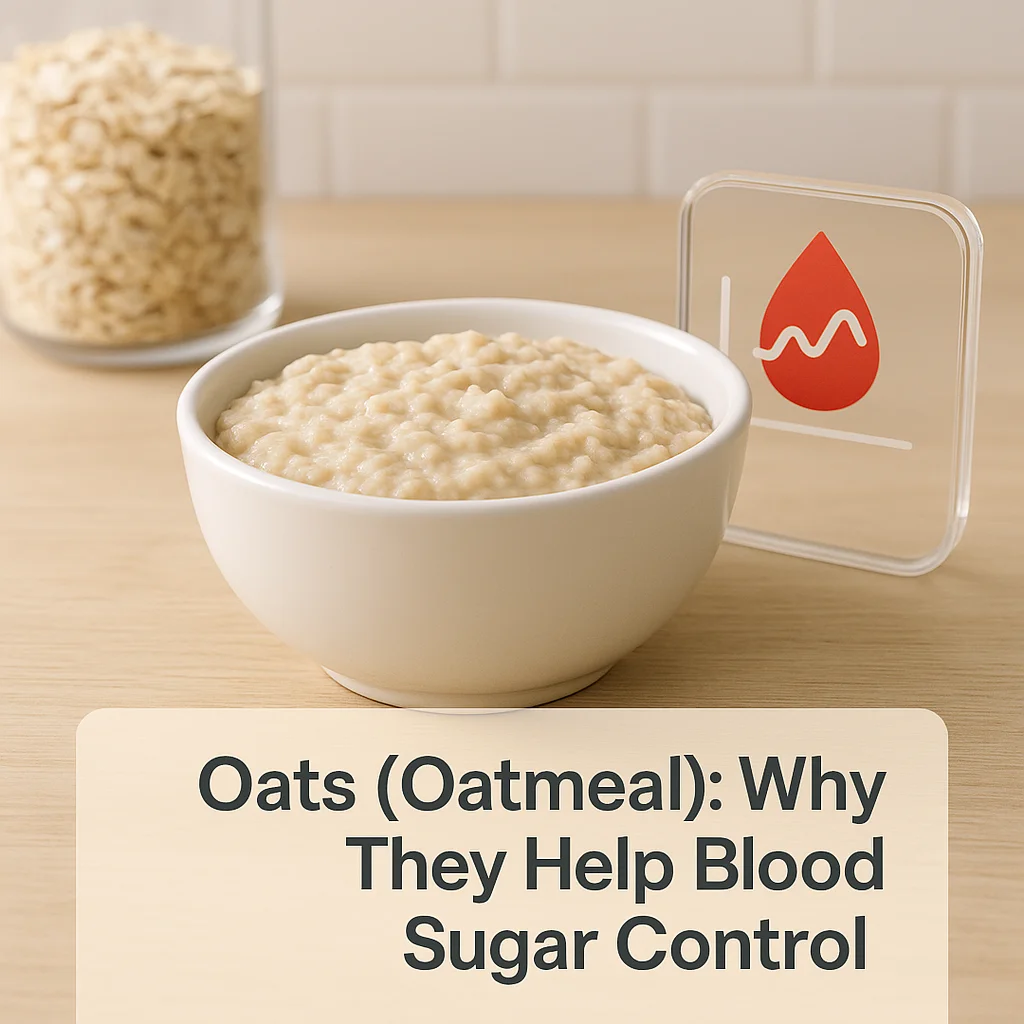
Oats, particularly in the form of oatmeal, can be a beneficial addition to meals, primarily because they help manage blood sugar levels. This is due to their high fiber content, particularly beta-glucan, which slows down digestion and the absorption of carbohydrates.
- Good for: Most people, particularly those looking to stabilize blood sugar levels.
- Be cautious if: You have celiac disease or are sensitive to gluten.
- Best way to consume: Start with a simple bowl of oatmeal topped with fruits and nuts.
- Common mistake: Adding too much sugar or sweeteners can negate the benefits.
- Next step: Incorporate a small serving of oatmeal into your breakfast routine.
🧠 Why This Matters
Managing blood sugar levels is crucial for sustained energy, reducing cravings, and maintaining overall health. Uncontrolled blood sugar levels can lead to energy crashes, weight gain, or more severe health issues like type 2 diabetes. Oats offer a natural way to help regulate blood sugar, making them an accessible option for many people around the world.
🔬 What the Science Says
Oats contain a specific type of soluble fiber called beta-glucan, which forms a gel-like substance in the gut. This gel slows down digestion, leading to a slower release of glucose into the bloodstream. This gradual absorption prevents spikes in blood sugar levels and keeps them more stable over time. Additionally, the fiber in oats can increase feelings of fullness, potentially helping with appetite control and weight management.
⚖️ Benefits vs Downsides
- Benefits:
- Helps stabilize blood sugar levels.
- Supports heart health due to its cholesterol-lowering effects.
- Promotes digestive health with its high fiber content.
- Provides sustained energy and satiety.
- Can be a versatile base for various meals.
- Aids in weight management by promoting fullness.
- Rich in essential nutrients like vitamins and minerals.
- Downsides/Cautions:
- Potential gluten cross-contamination.
- Some may find oats cause gas or bloating.
- Instant oats can be high in added sugars.
- Not suitable if you're allergic to oats.
🎯 The Best Way to Apply This
- Choose unprocessed types of oats like steel-cut or rolled oats.
- Add natural toppings like fresh fruit, nuts, or seeds for extra nutrients.
- Avoid adding excessive sugar or sweeteners.
- Make oatmeal part of a balanced breakfast routine.
- Experiment with savory oat recipes for variety.
⏰ Timing, Portions, and Frequency
Oatmeal is a versatile option for breakfast but can also be enjoyed as a snack or light dinner. Start with a small bowl, roughly the size of your palm, to gauge your body's response. Consuming oats in the morning can help manage hunger and energy levels throughout the day.
🤝 Best & Worst Pairings (Food Combos)
- Pairs well with:
- Fresh berries or sliced banana.
- Nuts like almonds or walnuts.
- Seeds such as chia or flax for added fiber.
- Unsweetened yogurt for probiotics.
- Spices like cinnamon for flavor and antioxidants.
- Be careful combining with:
- Sugary syrups or flavored instant oats high in sugars.
- Excessive dried fruits with added sugar.
- Chocolate chips, which can add unnecessary sugar.
🚦Who Should Be Careful
- Individuals with celiac disease should opt for certified gluten-free oats.
- Those prone to digestive upset may want to start with small portions.
- People with specific dietary restrictions should consult with a healthcare provider.
- If on medication affecting blood sugar, talk to a clinician.
🧩 Common Mistakes and Fixes
- Avoid adding refined sugars → Use natural sweeteners like fruit.
- Eating large portions → Begin with a small bowl to gauge satiety.
- Skipping protein → Add yogurt or a handful of nuts.
- Not enough variety → Try savory oats with vegetables.
- Relying on instant oats → Choose whole or rolled oats for less processing.
- Overcooking → Keep oats slightly firm to retain texture.
- Not hydrating enough → Drink water alongside to aid fiber digestion.
📋 Quick Checklist
- Choose whole or rolled oats.
- Add nutritious toppings like fruits and nuts.
- Avoid processed sugars.
- Start with a small portion.
- Consider gluten-free options if needed.
- Experiment with sweet and savory flavors.
- Drink water alongside oatmeal consumption.
- Monitor individual blood sugar response.
- Avoid instant processed oats with additives.
- Include a source of protein for balanced nutrition.
- Consult a healthcare provider if you have dietary concerns.
📌 Summary
- Oats are beneficial for blood sugar control due to their fiber content.
- Opt for less processed oats like steel-cut or rolled.
- Be cautious of potential gluten contamination.
- Monitor blood sugar response and diet compatibility.
- Add oats to your breakfast routine for sustained energy.
- Combine with fruits or nuts for extra nutrients.
- Avoid sugary additives to keep benefits intact.
- Individuals with dietary restrictions should consult professionals.
- Start with a small serving and build up as needed.
- Pay attention to how your body reacts to different oat types.
- Explore both sweet and savory oat recipes for variety.
- Regularly include oats as part of a balanced, varied diet.