🥗 Onions: The Best Pairings for Heart Health
✅ Key Takeaway
Onions are a nutritious addition to your diet and can support heart health when paired with other beneficial foods. The key is to combine onions with nutrient-dense ingredients that enhance their positive effects.
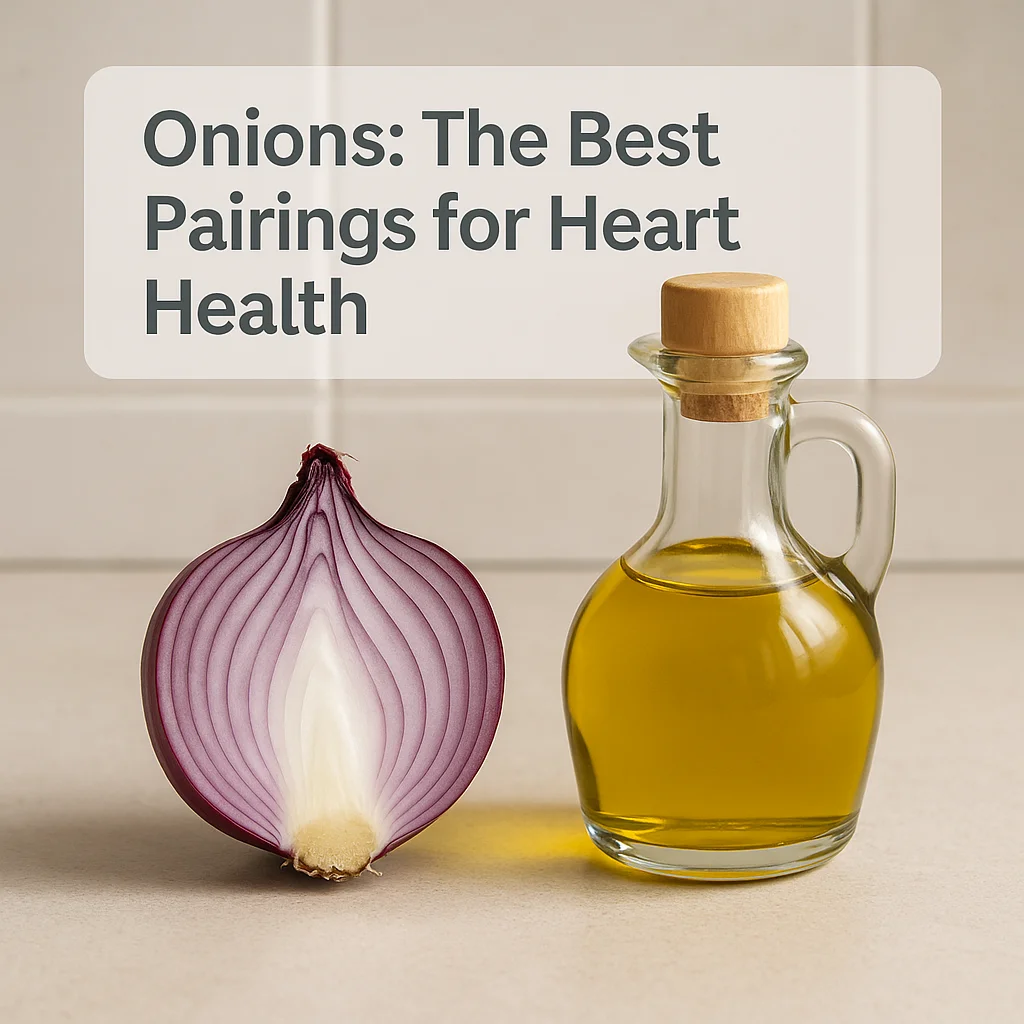
- Good for: Individuals looking to support heart health naturally.
- Be cautious if: You have digestive sensitivities to onions.
- Best simple way: Add onions to salads or as toppings for main dishes.
- Biggest mistake: Overcooking onions, which can lose some beneficial compounds.
- Next step: Start by adding raw onions to your lunch salad.
🧠 Why This Matters
Heart disease is a leading cause of mortality worldwide. A balanced diet rich in fruits and vegetables can lower the risk of heart issues. Onions are particularly interesting because they contain compounds that may help support heart health. Understanding how to effectively pair onions with other foods can enhance these benefits and make it easier to incorporate heart-healthy habits into your daily routine.
🔬 What the Science Says
Onions contain flavonoids, particularly quercetin, which are known for their antioxidant properties that can support vascular health. These compounds may contribute to lowering blood pressure and improving cholesterol levels. However, the evidence is mixed, as results can vary based on individual health conditions, the amount of onions consumed, and overall dietary patterns.
⚖️ Benefits vs Downsides
- Benefits:
- Rich in antioxidants that may support heart health.
- Can enhance the flavor of meals, encouraging healthier eating patterns.
- Low in calories, making them a great addition to weight-conscious diets.
- May help in maintaining healthy cholesterol levels.
- Possess anti-inflammatory properties.
- Easy to incorporate into various dishes.
- Downsides/Cautions:
- May cause digestive discomfort for some people.
- Overconsumption can lead to stomach upset.
- Strong odor can be off-putting for some individuals.
- Raw onions may cause irritation or allergic reactions in rare cases.
- Can interact with certain medications, especially blood thinners.
🎯 The Best Way to Apply This
- Choose fresh onions and incorporate them into various meals as a supportive nutrient source.
- Use them raw in salads to preserve beneficial compounds.
- Combine with leafy greens such as spinach or kale for enhanced heart benefits.
- Incorporate with tomatoes and olive oil for a classic heart-friendly combination.
- Add them as a topping to whole-grain dishes and lean proteins.
- Include in vegetable-based soups and stews.
⏰ Timing, Portions, and Frequency
Onions can be consumed at any time of day, but including them in meals spread evenly throughout the day may optimize their benefits. For portions, consider using a small onion or half a larger one per meal. Combine with a variety of vegetables to maintain balance and dietary diversity.
🤝 Best & Worst Pairings (Food Combos)
- Pairs well with: Tomatoes, garlic, olive oil, leafy greens, whole grains, lean meats, and legumes.
- Be careful combining with: Foods heavy in saturated fats, too many spicy additives (if sensitive), or heavily processed ingredients.
🚦Who Should Be Careful
- Individuals with irritable bowel syndrome or other digestive disorders.
- People who experience heartburn or acid reflux with onions.
- Those on blood-thinning medications should consult with a healthcare provider.
- If unsure, ask a pharmacist or clinician for personalized advice.
🧩 Common Mistakes and Fixes
- Mistake: Overcooking onions. Fix: Cook them lightly or enjoy them raw to maximize benefits.
- Mistake: Using too many onions in one dish. Fix: Balance with other vegetables.
- Mistake: Avoiding onions due to their strong odor. Fix: Try milder varieties like shallots or sweet onions.
- Mistake: Not experimenting with different forms. Fix: Try grilled, roasted, or pickled variations.
- Mistake: Storing onions improperly. Fix: Store in a cool, dry place to maintain freshness.
- Mistake: Ignoring portion sizes. Fix: Use appropriate amounts to avoid overpowering flavors.
📋 Quick Checklist
- Add onions to at least one meal daily.
- Combine with other vegetables for a nutrient boost.
- Avoid deep frying; use healthier cooking methods.
- Opt for raw when possible to retain nutrients.
- Experiment with different onion varieties.
- Store onions properly to reduce spoilage.
- Monitor any digestive reactions and adjust intake.
- Consult with a healthcare provider if on medication.
- Try pairing onions with tomatoes and olive oil.
- Be mindful of portions to enhance taste balance.
- Include onions in salads and sandwiches for variety.
- Rethink food pairings for maximum heart benefits.
📌 Summary
- Onions can support heart health when properly paired.
- Best utilized when raw or lightly cooked.
- Watch for digestive sensitivities and adjust intake.
- Avoid overcooking to retain beneficial compounds.
- Pair onions with tomatoes, greens, and olive oil.
- Be cautious if using medications that onions might affect.
- Enhance diet variety by trying different onion types.
- Adding onions to daily meals is an easy habit to start.
- Balance flavors with other vegetables and proteins.