🥗 Salmon: Cooking Methods That Protect Omega-3s
✅ Key Takeaway
Cooking salmon while preserving its valuable omega-3 fatty acids is achievable with mindful methods. Techniques like baking, steaming, and poaching often protect omega-3s better than high-heat methods.
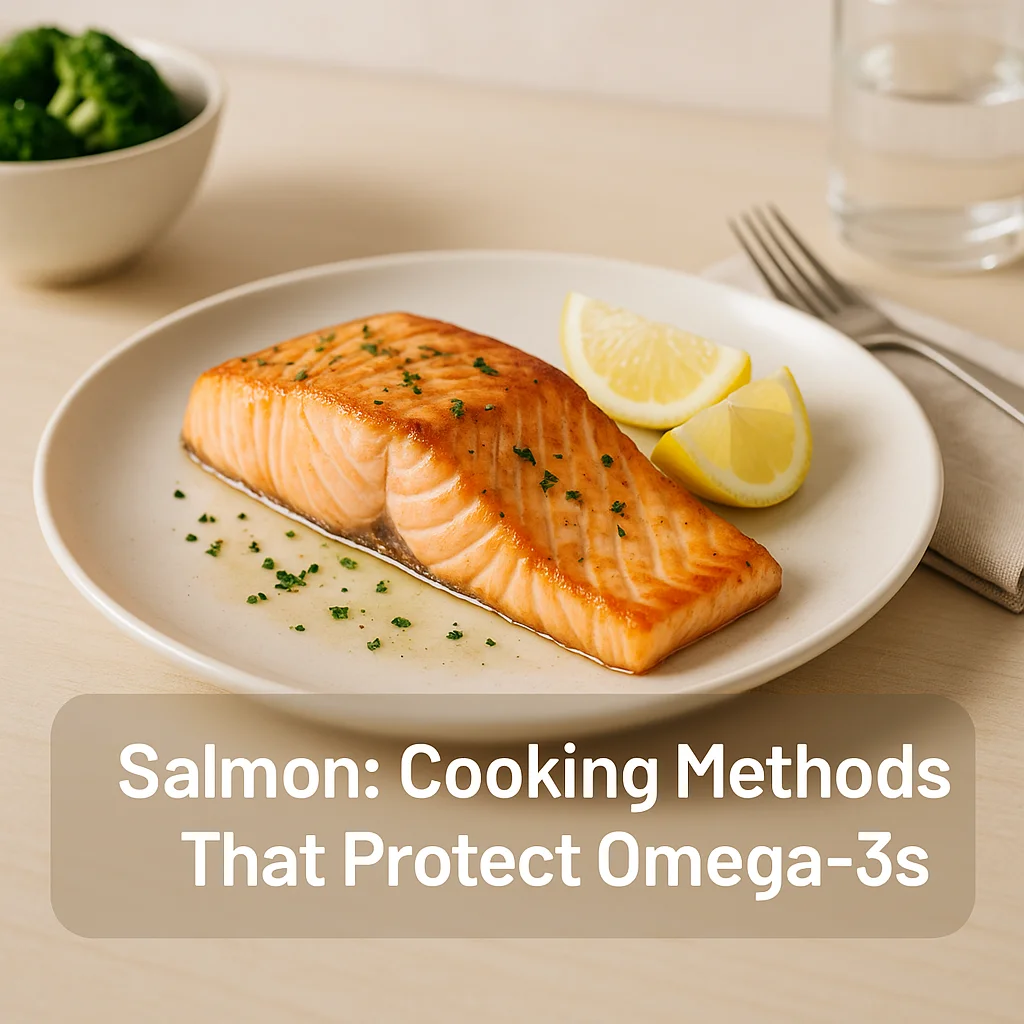
- Who it’s usually good for: Those aiming to boost heart and brain health.
- Who should be cautious: Individuals with fish allergies or specific dietary restrictions.
- Best simple way to do it: Bake or steam at moderate temperatures.
- Biggest mistake people make: Cooking at excessively high temperatures, which can reduce omega-3 content.
- One practical “next step”: Experiment with gentle cooking techniques and check doneness with a fork for flakiness.
🧠 Why This Matters
Salmon is celebrated for its rich content of omega-3 fatty acids, which are linked to numerous health benefits, from heart health to reducing inflammation. However, improper cooking methods can degrade these essential fats, potentially diminishing their health benefits. Understanding the best methods ensures you receive maximum nutritional value from your meals.
🔬 What the Science Says
Omega-3 fatty acids are sensitive to high heat, which can cause them to break down and oxidize. Cooking methods that use lower, more consistent temperatures, like baking or steaming, help maintain the integrity of these fats. Additionally, when salmon is cooked in moist environments, it generally retains more of its omega-3s compared to dry-cooking methods.
⚖️ Benefits vs Downsides
- Benefits:
- Rich in heart-healthy omega-3 fatty acids.
- Source of high-quality protein.
- Contains essential vitamins like D and B12.
- May support brain health.
- Downsides/Cautions:
- Potential allergen for some individuals.
- High mercury levels in certain types of salmon.
- Environmental concerns with overfishing.
- Not suitable for those on strict plant-based diets.
🎯 The Best Way to Apply This
- Preheat your oven to 350°F (175°C) for baking.
- Place salmon in a baking dish, optionally lined with parchment paper for easier cleanup.
- Season your fish with herbs or a light marinade.
- Bake for 12-15 minutes, checking for flakiness with a fork as a sign of doneness.
- Alternatively, steam on the stove or in a steamer for similar nutrient retention.
⏰ Timing, Portions, and Frequency
Salmon is versatile and can be enjoyed at any meal, whether breakfast, lunch, or dinner. A general portion size is a fillet about the size of the palm of your hand or around 3-4 ounces (85-115 grams), adjusted to suit your nutritional needs. Consuming fish like salmon 2-3 times a week may align with many dietary guidelines globally.
🤝 Best & Worst Pairings (Food Combos)
- Pairs well with:
- Leafy greens like spinach or kale.
- Whole grains, such as quinoa or brown rice.
- Citrus fruits, which can enhance flavor and nutrient absorption.
- Be careful combining with:
- Heavy cream sauces that can overshadow flavors and contribute extra calories.
- Very rich cheese toppers may mask its natural taste.
- Overly sweet glazes that add unnecessary sugar.
🚦Who Should Be Careful
- Individuals with fish allergies should avoid it altogether.
- Those with heightened mercury risk (e.g., pregnant women) should choose specific, lower-mercury varieties.
- People with dietary restrictions should check seasoning and preparation methods.
- If unsure, ask a pharmacist/clinician before incorporating into your diet.
🧩 Common Mistakes and Fixes
- Cooking at high heat → Opt for moderate temperatures to preserve nutrients.
- Overcooking → Aim for slightly underdone to ensure moistness and nutrient retention.
- Using too much oil → Steam or bake with minimal fat to avoid unwanted calories.
- Ignoring seasoning → A simple herb and citrus seasoning can enhance flavor.
- Using non-stick sprays with high heat → Use parchment paper or non-toxic alternatives.
- Preparing in advance and storing improperly → Consume freshly cooked or store properly to maintain quality.
- Adding creams and heavy sauces → Emphasize natural flavors with herbs instead.
📋 Quick Checklist
- Use moderate temperatures like baking or steaming.
- Limit high-heat methods like frying or grilling.
- Portion correctly; a palm-sized fillet suffices.
- Avoid heavy oils and sauces.
- Check for sustainable and low-mercury options.
- Introduce gradually if new to your diet.
- Check for allergies before trying salmon.
- Season with herbs, citrus, and gentle spices.
- Avoid overcooking to retain moisture and nutrients.
- Pair with greens and whole grains for a balanced meal.
- Store leftovers properly if needed.
- Consult a specialist if you have dietary concerns.
📌 Summary
- Cooking salmon at moderate temperatures protects omega-3s.
- Baking or steaming are optimal methods.
- Avoid high-heat methods to preserve nutrients.
- Introduce into your diet slowly if new to you.
- Flakiness indicates perfect doneness.
- Balance with greens and grains for a complete meal.
- Watch out for allergens and check mercury content.
- Season wisely; avoid heavy additives.
- Store and cook properly for best results.
- Consider seeking advice if dietary concerns exist.