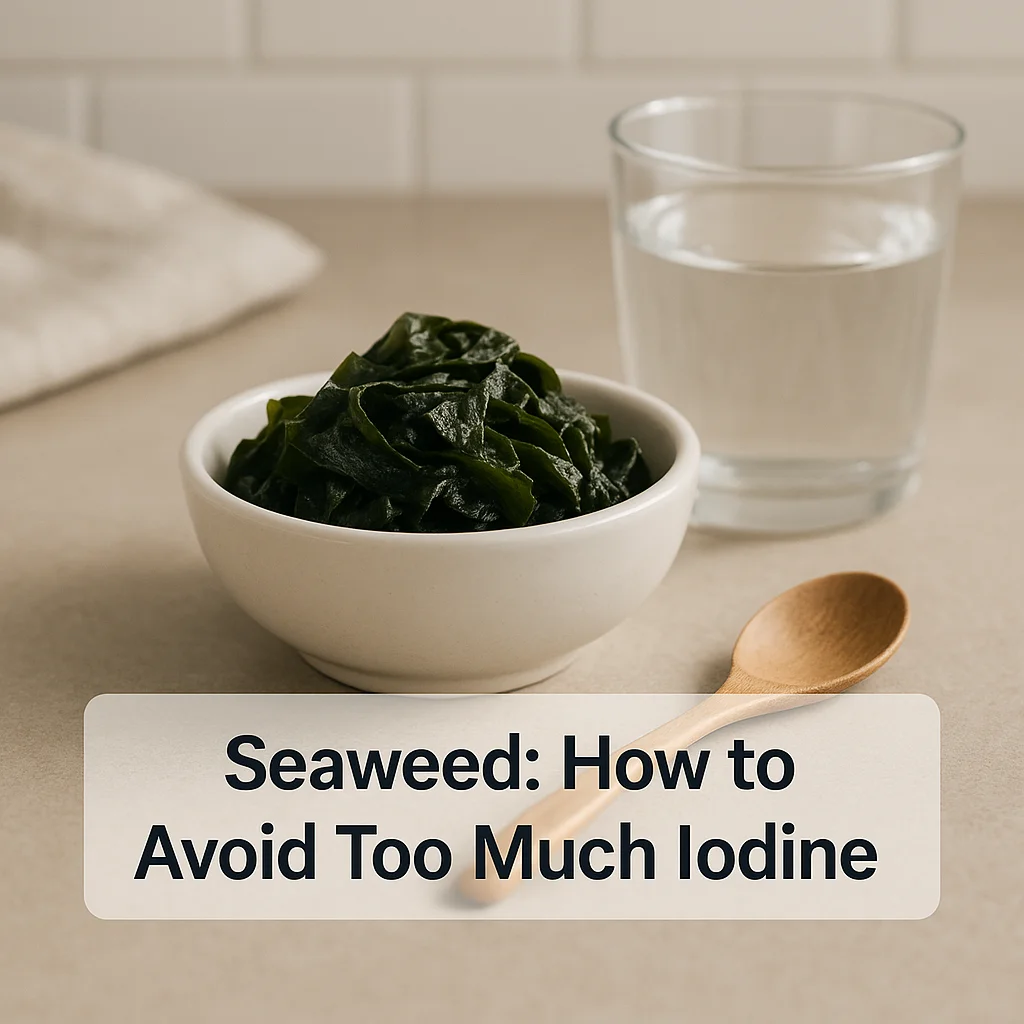
🥗 Seaweed: How to Avoid Too Much Iodine
✅ Key Takeaway
While seaweed is a nutritious food rich in iodine, consuming too much can lead to health issues. Balancing intake is crucial for enjoying its benefits without unwanted side effects.
- Great for those with low iodine intake or seeking plant-based nutrition.
- Be cautious if you have thyroid disorders or are pregnant.
- Best approach: moderate consumption and variety in types of seaweed.
- Biggest mistake: consuming large quantities daily.
- Next step: diversify your seaweed types and limit frequency of consumption.
🧠 Why This Matters
Seaweed is often praised for its high iodine content, essential for proper thyroid function. However, its richness in iodine can be a double-edged sword. An excess of iodine can disrupt thyroid balance, affecting energy levels, metabolism, and overall health. Understanding how to enjoy seaweed without overconsuming iodine is key for maintaining well-being. This is particularly relevant as the popularity of seaweed-based snacks and meals increases globally.
🔬 What the Science Says
Iodine is crucial for the production of thyroid hormones, which regulate metabolism, growth, and development. Seaweed, especially varieties like kelp, is one of the richest natural sources of iodine. While iodine deficiency can lead to hypothyroidism and developmental issues, excessive intake can result in hyperthyroidism or thyroid autoimmunity. The balance lies in consuming seaweed in moderation, ensuring sufficient but not excessive iodine levels. Evidence suggests that moderate consumption typically supports health without the risks associated with high iodine intakes.
⚖️ Benefits vs Downsides
- Benefits:
- Boosts iodine levels for thyroid health.
- Rich in vitamins and minerals like vitamin K and calcium.
- Contains antioxidants which can support overall health.
- A plant-based source of omega-3 fatty acids.
- Downsides/Caution:
- Potential iodine overdose leading to thyroid dysfunction.
- Some types may contain heavy metals if sourced from polluted waters.
- Can lead to digestive issues if consumed in large amounts.
- High amounts may interfere with certain medications.
🎯 The Best Way to Apply This
- Choose a variety of seaweed types, not just one type.
- Limit consumption to small amounts a few times per week.
- Incorporate seaweed into diverse meals rather than consuming as the main dish.
- Consider dried forms as they are more manageable in portions.
- Pay attention to product labels for iodine content.
⏰ Timing, Portions, and Frequency
Aim to enjoy seaweed in small portions, such as a sprinkle over salads or a small bowl of seaweed soup per week. Avoid consuming it multiple times a day. Ideally, incorporate it into meals rather than on an empty stomach to aid in digestion and nutrient absorption. Reading labels carefully for iodine content and limiting packaged snacks can help manage intake.
🤝 Best & Worst Pairings (Food Combos)
- Pairs well with:
- Rice dishes.
- Salads and vegetable-based meals.
- Fish and seafood dishes.
- Tofu and other soy products.
- Be careful combining with:
- Other iodine-rich foods such as fish for the same meal.
- Salty snacks that may intensify the overall sodium intake.
- High-calorie sauces that can overshadow the health benefits.
🚦Who Should Be Careful
- Individuals with thyroid disorders.
- Pregnant or breastfeeding women.
- People on thyroid or certain other medications.
- Those with a history of iodine sensitivity.
- If unsure, ask a pharmacist/clinician.
🧩 Common Mistakes and Fixes
- Mistake: Eating seaweed daily → Fix: Limit to 2-3 times a week.
- Mistake: Not considering iodine content in packaged products → Fix: Check labels carefully.
- Mistake: Relying on one type of seaweed → Fix: Try different types like nori, wakame, and dulse.
- Mistake: Ignoring potential contamination → Fix: Purchase from reputable sources.
- Mistake: Over-compensating with iodine supplements → Fix: Balance food intake with dietary needs.
- Mistake: Pairing with other high iodine foods → Fix: Balance meals considering the entire day's intake.
📋 Quick Checklist
- Enjoy seaweed in moderation.
- Diversify the types of seaweed consumed.
- Check product labels for iodine content.
- Balance with other iodine-rich foods.
- Source from reputable suppliers.
- Consider overall dietary iodine intake.
- Limit packaged seaweed snacks.
- Discuss with a clinician if pregnant or on medication.
- Combine seaweed with balanced meals.
- Naturally integrate into your meals.
- Be mindful of any health changes.
- Share with others aware of iodine's role in diet.
- Stay updated on new nutritional findings.
📌 Summary
- Direct answer: enjoy seaweed, but in moderation.
- Best method: mix seaweed types and limit frequent use.
- Key caution: high iodine intake can affect thyroid health.
- Start today: incorporate small seaweed servings into diverse meals.
- Avoid daily consumption of the same type.
- Know your iodine intake from all sources.
- Pay attention to labels on seaweed products.
- Encourage balanced eating habits across all meals.
- Consult health professionals when necessary.
- Watch for any adverse effects and adjust intake accordingly.
- Make informed food pairing decisions.
- Be cautious with seaweed supplements unless needed.