🥗 Spinach: How to Improve Iron Absorption
✅ Key Takeaway
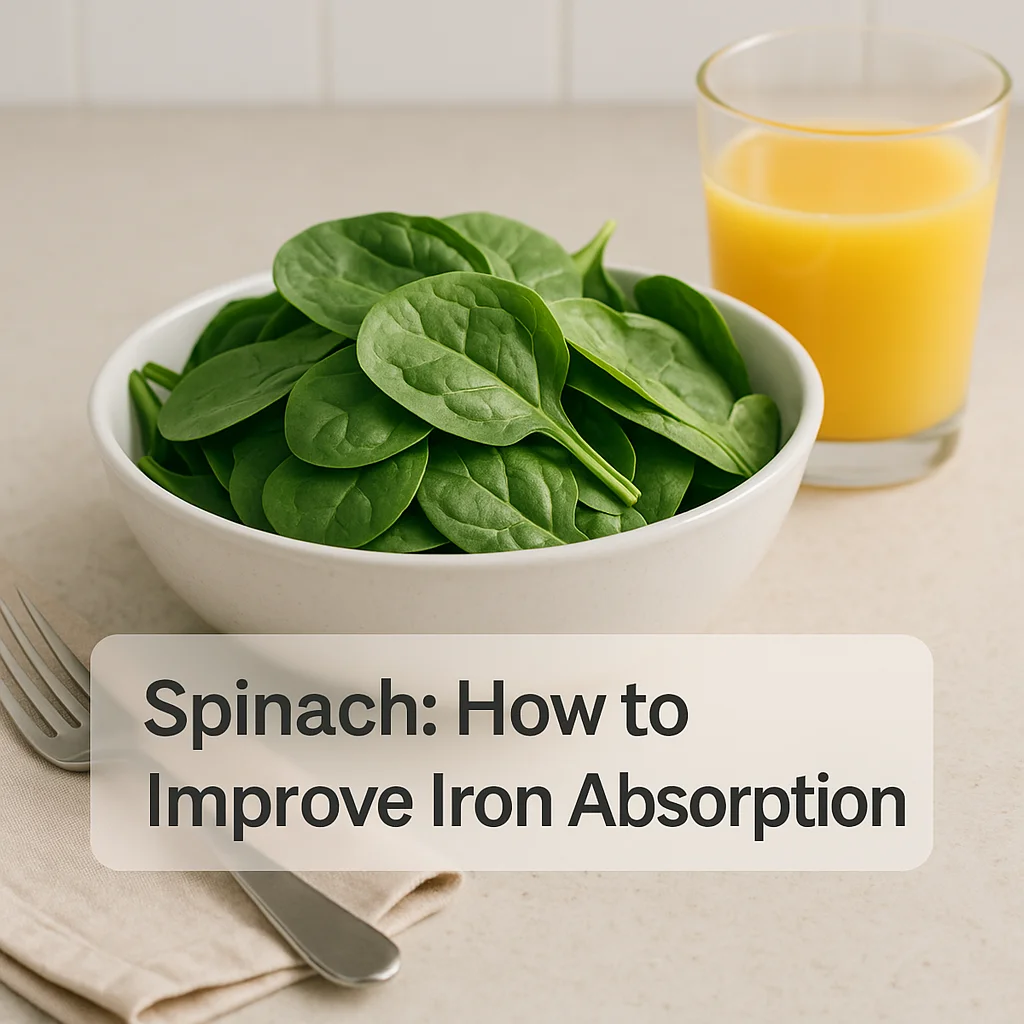
Incorporating spinach into your diet can be a nutritious way to boost your iron intake, but improving iron absorption requires a few thoughtful choices. The key is to combine spinach with vitamin C-rich foods and to be mindful of calcium and tannin inhibitors that can impede iron uptake.
- Good for those seeking non-heme iron from plant sources
- Be cautious if you have kidney stones or high oxalate intake concerns
- Best simple way: Pair spinach with citrus fruits or bell peppers
- Biggest mistake: Consuming with tea or coffee
- Next step: Start adding lemon juice to your spinach salads
🧠 Why This Matters
Iron is crucial for transporting oxygen in the blood, yet iron deficiency is common globally, affecting energy levels and overall well-being. Many turn to spinach as a source of iron, but understanding how to enhance its absorption can significantly improve its effectiveness. This can be particularly important for vegetarians, vegans, and anyone relying on plant-based sources for their iron intake.
🔬 What the Science Says
Spinach contains non-heme iron, which the body does not absorb as easily as heme iron found in animal products. Vitamin C, however, can enhance the absorption of non-heme iron by converting it to a form more easily taken up by the body. Conversely, calcium, tannins (found in tea and coffee), and certain fibers can inhibit iron absorption. Therefore, the timing of your meals and food combinations is essential to maximize iron uptake from spinach.
⚖️ Benefits vs Downsides
- Benefits:
- Rich in non-heme iron
- Boosts intake of essential vitamins like A, C, and K
- Low in calories and high in fiber
- Easy to incorporate into the diet
- Supports eye health with lutein and zeaxanthin
- Downsides:
- Contains oxalates, which can contribute to kidney stones
- Non-heme iron is less readily absorbed
- High in histamines, may trigger sensitivities
- Anti-nutrients can inhibit mineral absorption if not prepared properly
🎯 The Best Way to Apply This
- Choose fresh spinach to maximize nutrient retention.
- Pair with vitamin C-rich foods like tomatoes or oranges to enhance iron absorption.
- Avoid consuming spinach with calcium-rich foods like dairy.
- Consider lightly cooking spinach to reduce oxalates without significantly losing nutrients.
- Add lemon juice or vinegar to spinach dishes for an extra vitamin C boost.
⏰ Timing, Portions, and Frequency
It’s generally best to consume spinach during meals rather than on an empty stomach. A small bowl or a handful of fresh spinach per meal is practical. If consumed as a salad or side, incorporating a variety of colorful vegetables can enhance nutrient absorption. Eating spinach a few times a week is beneficial without overloading on oxalates.
🤝 Best & Worst Pairings (Food Combos)
- Pairs well with:
- Bell peppers
- Lemon juice
- Tomatoes
- Strawberries
- Kiwi
- Be careful combining with:
- Calcium-rich foods (dairy products)
- Tannins (coffee, tea)
- Legumes with phytates
🚦Who Should Be Careful
- Individuals with kidney stone history
- Those with oxalate metabolism issues
- Anyone on blood thinners due to vitamin K content
- If unsure, ask a pharmacist or clinician.
🧩 Common Mistakes and Fixes
- Mistake: Eating spinach with milk-based smoothies. Fix: Opt for almond milk or another calcium-free base.
- Mistake: Drinking coffee or tea with a spinach meal. Fix: Leave at least an hour gap between them.
- Mistake: Ignoring portion size. Fix: Stick to a small bowl or handful per meal.
- Mistake: Consuming only raw spinach. Fix: Mix raw and cooked spinach for variety.
- Mistake: Not adding vitamin C. Fix: Include a squeeze of lemon or some citrus fruits.
- Mistake: Overcooking. Fix: Lightly steam to retain nutrients.
- Mistake: Pairing with beans high in phytates. Fix: Rinse beans thoroughly and consider fermentation or soaking techniques.
📋 Quick Checklist
- Include spinach a few times weekly
- Pair with vitamin C-rich foods
- Avoid calcium-heavy pairings
- Limit tea/coffee close to spinach consumption
- Lightly steam to reduce oxalates
- Keep an eye on portion sizes
- Add lemon or lime juice when possible
- Be mindful of kidney health
- Consider your oxalate tolerance
- If on blood thinners, monitor vitamin K intake
- Check with healthcare providers when unsure
📌 Summary
- Spinach can be a good source of iron when combined with vitamin C-rich foods.
- Best method: Pairing with citrus fruits or peppers enhances absorption.
- Key caution: Avoid pairing with dairy or caffeine.
- Easiest habit to start today: Add lemon juice to spinach dishes.
- Light steaming helps retain nutrients while reducing oxalates.
- Small portions a few times a week are beneficial.
- Be cautious if prone to kidney stones or on specific medications.
- Avoid tea or coffee immediately with spinach meals.
- Consult healthcare professionals if unsure, especially for dietary restrictions.