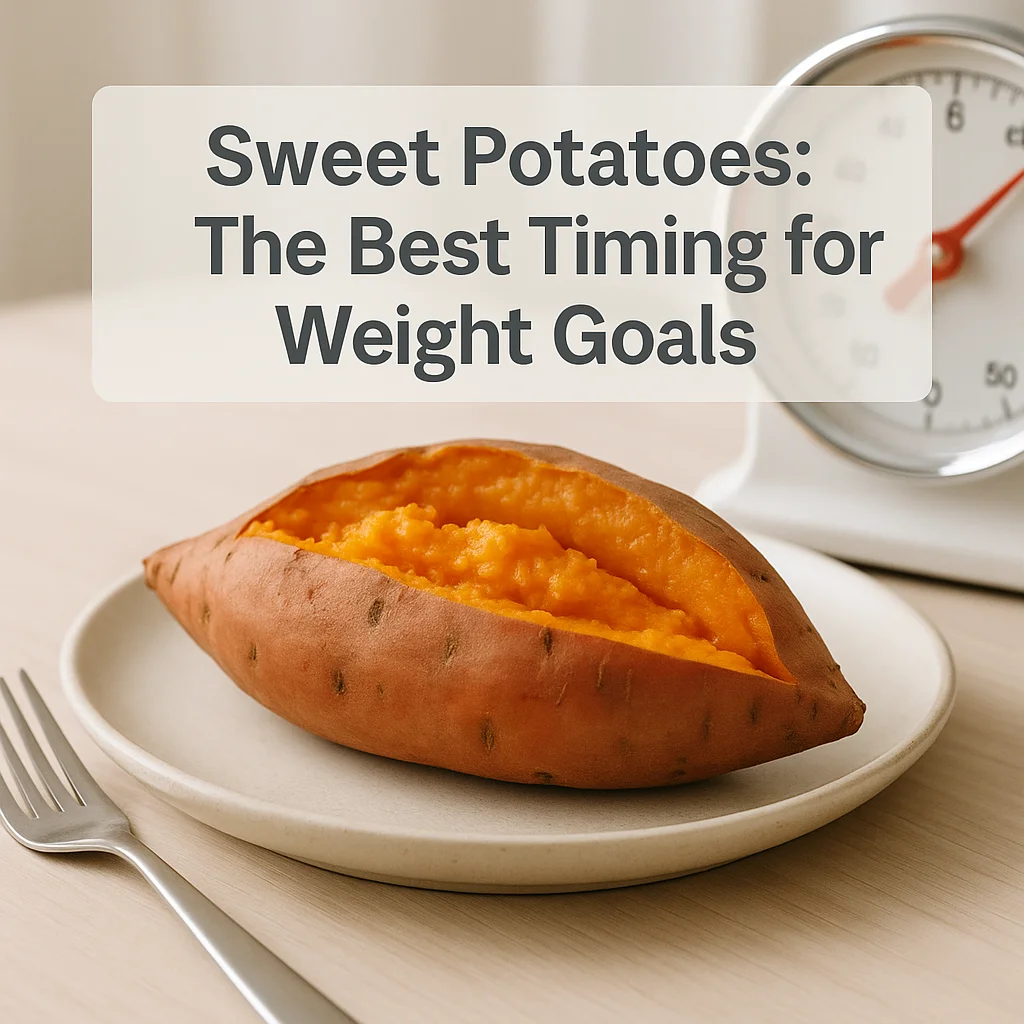
🥗 Sweet Potatoes: The Best Timing for Weight Goals
✅ Key Takeaway
Sweet potatoes can be beneficial for weight goals when consumed at the right time. Their impact on weight largely depends on how they fit into your overall eating pattern and how they are paired with other foods.
- Good for: Those seeking to manage energy levels and cravings during the day.
- Caution: Individuals with blood sugar sensitivities.
- Best way: Pair with protein or healthy fats for a balanced meal.
- Biggest mistake: Consuming in excess or with sugary toppings.
- Next step: Experiment with including them in lunch or dinner to assess satiety effects.
🧠 Why This Matters
Understanding the timing of consuming sweet potatoes can help manage issues like energy slumps, cravings, and even sleep quality. For those focused on weight goals, choosing the right time to eat them can make a difference in how they feel and perform throughout the day.
🔬 What the Science Says
Sweet potatoes are high in fiber, which can help with digestion and prolong feelings of fullness. Their complex carbohydrates are digested more slowly than simple sugars, offering a steady release of energy. However, their glycemic index varies based on preparation, which can affect blood sugar levels differently for each individual.
Evidence suggests that consuming sweet potatoes with a source of protein or healthy fat can help moderate blood sugar spikes and enhance nutrient absorption. However, the effects can vary based on individual metabolism and the overall meal composition.
⚖️ Benefits vs Downsides
- Benefits:
- Rich in nutrients like vitamin A and fiber.
- Can aid in maintaining steady energy levels.
- May help curb cravings due to prolonged satiety.
- Versatile and can be prepared in various ways.
- Promotes good gut health due to fiber content.
- Can be part of a balanced diet for weight management.
- Cautions:
- Glycemic response may vary; not ideal for everyone with blood sugar concerns.
- High-calorie toppings can negate their benefits.
- Overconsumption can lead to unwanted calorie surplus.
- Some methods of cooking, like frying, can add unhealthy fats.
🎯 The Best Way to Apply This
- Identify meals prone to causing energy dips, such as lunch.
- Incorporate sweet potatoes as a complex carb option in these meals.
- Balance with a protein source and healthy fat to enhance satiety.
- Monitor how you feel after meals and adjust timing accordingly.
- Test sweet potatoes in different forms (baked, roasted, boiled) for variety.
⏰ Timing, Portions, and Frequency
Consuming sweet potatoes during midday meals may help sustain energy and reduce afternoon cravings. A commonly accepted portion might resemble the size of a clenched fist. Frequency should align with individual energy needs and lifestyle, aiming for moderation as part of the broader diet.
🤝 Best & Worst Pairings (Food Combos)
Pairs well with:
- Grilled chicken or tofu for added protein.
- Avocado or nuts for healthy fats.
- Non-starchy vegetables for a fiber boost.
Be careful combining with:
- Sugary sauces or marshmallow toppings.
- High glycemic side dishes like white rice or bread.
- Fatty fried foods that can add unnecessary calories.
🚦Who Should Be Careful
- Individuals with diabetes or insulin resistance.
- Those on a low-carb diet may want to limit portion sizes.
- Anyone with allergies or intolerances to sweet potatoes.
- If unsure, ask a pharmacist/clinician for personalized advice.
🧩 Common Mistakes and Fixes
- Mistake: Overeating due to sweet flavor. Fix: Monitor portions and savor slowly.
- Mistake: Adding sugary toppings. Fix: Opt for herbs or spices instead.
- Mistake: Consuming with other high glycemic foods. Fix: Pair with balanced, low-GI choices.
- Mistake: Ignoring satiety cues. Fix: Eat mindfully and assess fullness during meals.
- Mistake: Limited preparation methods. Fix: Try different cooking styles for variety.
- Mistake: Eating too close to bedtime. Fix: Allow time for digestion before sleep.
📋 Quick Checklist
- Identify suitable meal times for sweet potatoes.
- Pair with protein or healthy fats.
- Be mindful of portion sizes.
- Avoid high-calorie toppings.
- Listen to your hunger and fullness signals.
- Experiment with different preparation methods.
- Watch out for high-glycemic pairings.
- Consider effects on blood sugar if applicable.
- Check for personal allergies or intolerances.
- Consult with a clinician if needed.
- Start incorporating today with a planned meal.
- Adjust based on how you feel post-meal.
📌 Summary
- Sweet potatoes can be a great addition to meals aiming for weight goals.
- Consume with protein and healthy fats for balance.
- Be cautious if sensitive to blood sugar changes.
- Avoid sugary and high-calorie toppings.
- Best when used at lunchtime for sustained energy.
- Monitor portion sizes for optimal health benefits.
- Experiment with different preparations for taste and texture.
- Evaluate personal response to timing and food pairings.
- Mind sections on who should be careful for individual health considerations.
- Start today by including a portion at your next relevant meal.