🥗 Tomatoes: Why Cooked Can Be Better Than Raw
✅ Key Takeaway
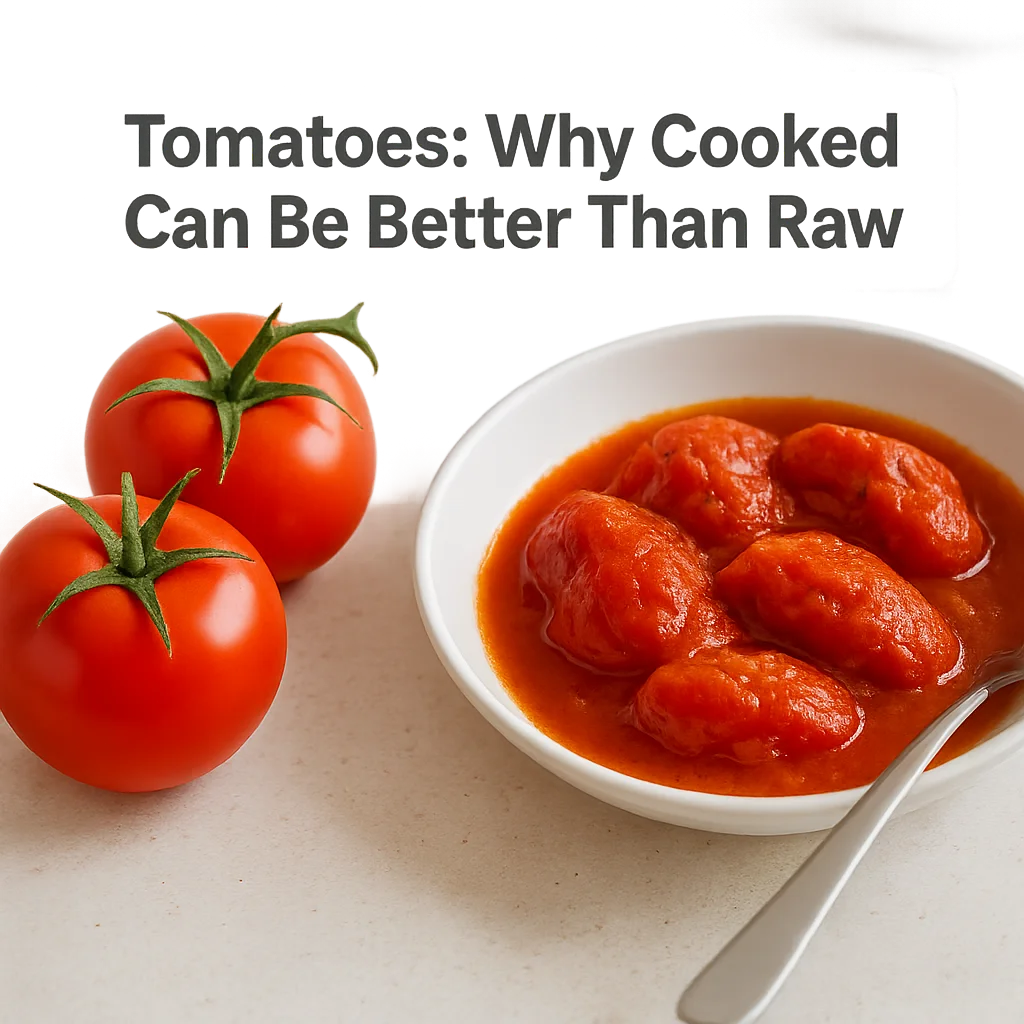
In most cases, cooked tomatoes are often better than raw because cooking enhances their nutrient availability, particularly lycopene, a powerful antioxidant. However, the choice between raw and cooked may depend on personal health goals and dietary preferences.
- Who it’s usually good for: Those seeking higher antioxidant intake.
- Who should be cautious: Individuals with sodium-restricted diets; watch added salt.
- Best simple way to do it: Lightly cook tomatoes in olive oil to retain nutrients.
- Biggest mistake people make: Overcooking, which can reduce vitamin C levels.
- One practical next step: Try adding cooked tomatoes to salads or pasta dishes.
🧠 Why This Matters
Tomatoes are a staple in many diets globally and are versatile in both raw and cooked forms. Enhancing nutrient absorption can lead to improved health benefits, such as better heart health and reduced cancer risk, due to the potent properties of lycopene and other antioxidants found in tomatoes.
🔬 What the Science Says
Cooking tomatoes breaks down the plant cell walls, making the nutrients more accessible. Lycopene, a key compound in tomatoes, becomes more bioavailable when heated. This enhancement is crucial because lycopene is associated with reduced risk of several chronic diseases. While fresh tomatoes are rich in vitamin C, some can be lost during cooking; however, the gain in lycopene often outweighs this loss.
⚖️ Benefits vs Downsides
- Benefits: Increased lycopene absorption, potentially reduced cancer risk, improved heart health, better nutrient absorption, versatile in cooking.
- Downsides/Cautions: Loss of vitamin C when overcooked, potential increased sodium intake from canned/processed tomatoes, possible acidity issues for sensitive stomachs, potential impact on certain medication absorption.
🎯 The Best Way to Apply This
- Choose ripe, fresh tomatoes for optimal flavor and nutrients.
- Cook tomatoes with a small amount of olive oil to enhance nutrient absorption.
- Incorporate cooked tomatoes into meals regularly, such as in sauces, soups, or roasted dishes.
- Avoid overcooking by lightly sautéing or simmering tomatoes.
⏰ Timing, Portions, and Frequency
Cooked tomatoes can be enjoyed at any time of day. They can be added to breakfast omelets, lunchtime salads, or dinner entrees. A portion size might be around one whole medium tomato or half a cup of cooked tomatoes, depending on personal preference and dietary needs.
🤝 Best & Worst Pairings (Food Combos)
- Pairs well with: Olive oil, garlic, basil, mozzarella cheese, whole grain pasta.
- Be careful combining with: Excessive salt (increases sodium intake), sugar (in sweetened sauces), dairy if lactose intolerant.
🚦Who Should Be Careful
- Individuals with heartburn or acid reflux, as cooked tomatoes can exacerbate symptoms.
- Those on low-sodium diets should monitor salt levels in canned or processed tomatoes.
- Consult healthcare providers if using blood thinners or other medications that interact with high lycopene intake.
- If unsure about dietary adjustments, ask a pharmacist or clinician.
🧩 Common Mistakes and Fixes
- Adding too much salt → Use herbs and spices for flavor enhancement.
- Overcooking tomatoes → Lightly sauté to retain most nutrients.
- Skipping oil altogether → Use a small amount of healthy oil to aid lycopene absorption.
- Using unripe tomatoes → Choose ripe for better taste and nutritional value.
- Not varying preparation methods → Experiment with roasting, grilling, and stewing.
- Starting with canned tomatoes high in additives → Opt for low-sodium, additive-free brands.
- Forgetting portion control → Balance tomatoes with a variety of other vegetables.
📋 Quick Checklist
- Choose ripe tomatoes for optimal flavor.
- Lightly cook with olive oil for enhanced nutrient absorption.
- Avoid overcooking to minimize nutrient loss.
- Mix cooked tomatoes into various dishes regularly.
- Pair with healthy fats like olive oil.
- Be mindful of sodium content in canned tomatoes.
- Consider acidity if prone to reflux.
- Check with a clinician if you have medication concerns.
- Experiment with different cooking methods.
- Keep portions balanced with other vegetables.
- Opt for homemade over highly processed tomato products.
- Monitor personal digestive tolerance.
📌 Summary
- Cooked tomatoes often offer more available nutrients than raw.
- Lightly cook with olive oil and incorporate into various meals.
- Be cautious of high sodium content and acidity issues.
- Consider individual health needs and medication interactions.
- Balance cooked tomato intake with a variety of fresh vegetables.
- The easiest habit: add cooked tomatoes to regular dishes like pastas and stews.
- Pairs well with olive oil and herbs for enhanced flavor.
- Suitable for those seeking high antioxidant intake but monitor if you have specific dietary restrictions.