🥗 Are Carbs Always Bad for You?
✅ Key Takeaway
In most cases, carbs are not always bad for you. They are essential nutrients that provide energy, but the type and amount of carbs you consume can make a difference. Understanding the balance can help you make healthier choices.
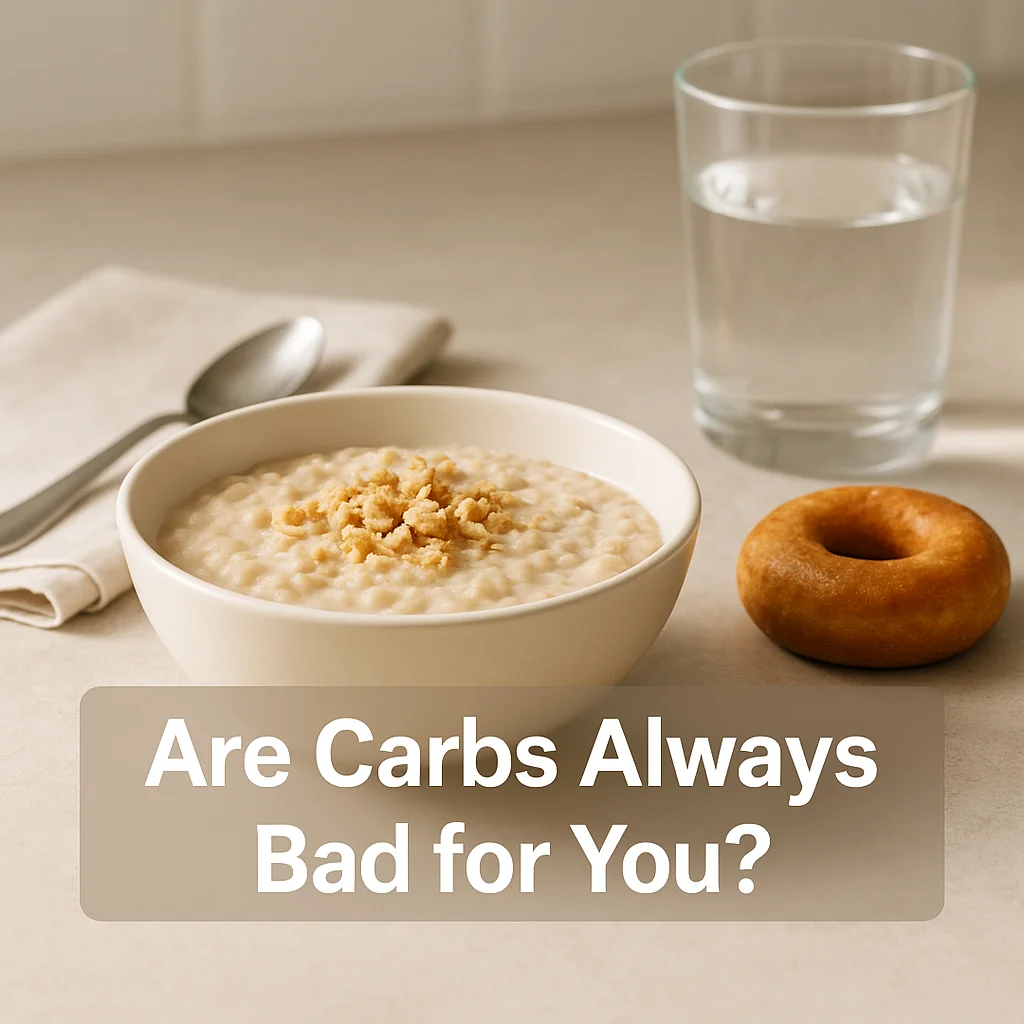
- Who it’s usually good for: People needing quick energy, such as athletes or active individuals.
- Who should be cautious: Those with insulin resistance or diabetes should monitor carb intake.
- Best simple way to do it: Choose whole grains, fruits, and vegetables over refined sugars.
- Biggest mistake people make: Overconsuming processed carbs that lack nutritional value.
- One practical “next step”: Start incorporating more whole foods into your daily meals.
🧠 Why This Matters
The debate around carbs often centers on their role in energy production and weight management. Carbohydrates are the body's primary fuel source, and they play a critical role in maintaining energy levels, especially for those with physically demanding lifestyles. However, overconsumption of refined carbs can lead to weight gain and increased risk of metabolic issues. Finding a balance is key for optimal health and well-being.
🔬 What the Science Says
Carbohydrates are broken down into glucose, which the body uses for energy. Simple carbs (like sugars) break down quickly, leading to rapid spikes in blood sugar levels. Complex carbs (like those in whole grains and vegetables) digest more slowly, providing sustained energy and helping manage hunger. Some evidence suggests that a high intake of refined carbs is linked to health issues like obesity and type 2 diabetes, while other studies highlight the benefits of carbs from whole food sources.
⚖️ Benefits vs Downsides
- Benefits:
- Provide quick energy for physical activity
- Essential for brain function
- Help regulate mood and energy levels
- Support gastrointestinal health through fiber
- Improve exercise performance and recovery
- Downsides/Cautions:
- May lead to weight gain if overconsumed
- Can cause blood sugar spikes and crashes
- Excess intake of refined carbs linked to metabolic issues
- Some people may experience bloating or discomfort
- Too few carbs can lead to low energy and irritability
🎯 The Best Way to Apply This
- Start with whole foods: Aim to get most carbs from vegetables, fruits, and whole grains.
- Balance your plate: Include a variety of macronutrients (proteins, fats, carbs) in your meals.
- Moderation is key: Avoid excessive consumption of sugars and refined carbohydrates.
- Read labels: Be mindful of hidden sugars in processed foods.
⏰ Timing, Portions, and Frequency
Generally, it's beneficial to distribute your carbohydrate intake throughout the day to maintain stable energy levels. Eating carbs in the morning can provide energy for the day, while consuming them with protein and healthy fats can help balance blood sugar. A serving size might look like half a cup of whole grains or a medium-sized piece of fruit per meal.
🤝 Best & Worst Pairings (Food Combos)
- Pairs well with:
- Protein (e.g., chicken, beans) to enhance satiety
- Healthy fats (e.g., avocados, nuts) for nutrient absorption
- Fiber-rich foods (e.g., vegetables) to slow digestion
- Be careful combining with:
- High-sugar foods that can spike insulin levels
- Processed snacks that lack nutritional value
- Alcohol, as it can affect blood sugar management
🚦Who Should Be Careful
- Individuals with insulin resistance or diabetes
- Those trying to lose weight may need to watch carb intake
- People with digestive issues should monitor fiber intake
- Anyone advised by a clinician to monitor blood sugar levels
- If unsure, ask a pharmacist/clinician.
🧩 Common Mistakes and Fixes
- Mistake: Eating only one type of carb. Fix: Diversify with different grains.
- Mistake: Skipping meals and then overeating carbs. Fix: Eat balanced meals regularly.
- Mistake: Not reading labels for hidden sugars. Fix: Check ingredient lists carefully.
- Mistake: Assuming all carbs are the same. Fix: Focus on whole, minimally processed options.
- Mistake: Cutting out all carbs. Fix: Include healthy carbs for energy and nutrition.
📋 Quick Checklist
- Include a variety of carb sources in your diet
- Focus on whole grains, fruits, and vegetables
- Limit refined sugar and processed foods
- Balance carbs with protein and healthy fats
- Eat regular, balanced meals
- Read food labels for hidden sugars
- Monitor portion sizes
- Maintain stable energy with consistent carb intake
- Pair carbs with fiber-rich foods
- Be mindful of alcohol consumption with carbs
- Consider your body's response to different carbs
- Consult a clinician if you have blood sugar concerns
📌 Summary
- Carbs are not always bad; balance is key.
- Focus on whole food sources for better nutrition.
- Avoid excessive refined carbs to minimize downsides.
- Adjust carb intake based on activity level and health needs.
- Read labels to be aware of carb content in foods.
- Consider timing and portion sizes for optimal energy.
- Pair with proteins and healthy fats to balance meals.
- Those with health conditions should manage carbs carefully.
- Whole food carbs are generally beneficial over processed ones.
- Start by gradually incorporating more whole grains and vegetables.