🥗 Are “Low-Fat” Foods Always a Better Choice?
✅ Key Takeaway
In most cases, opting for low-fat foods isn't always the better choice. It depends significantly on individual nutritional needs and health goals. While low-fat options can be beneficial for specific diets, they might not suit everyone's dietary requirements.
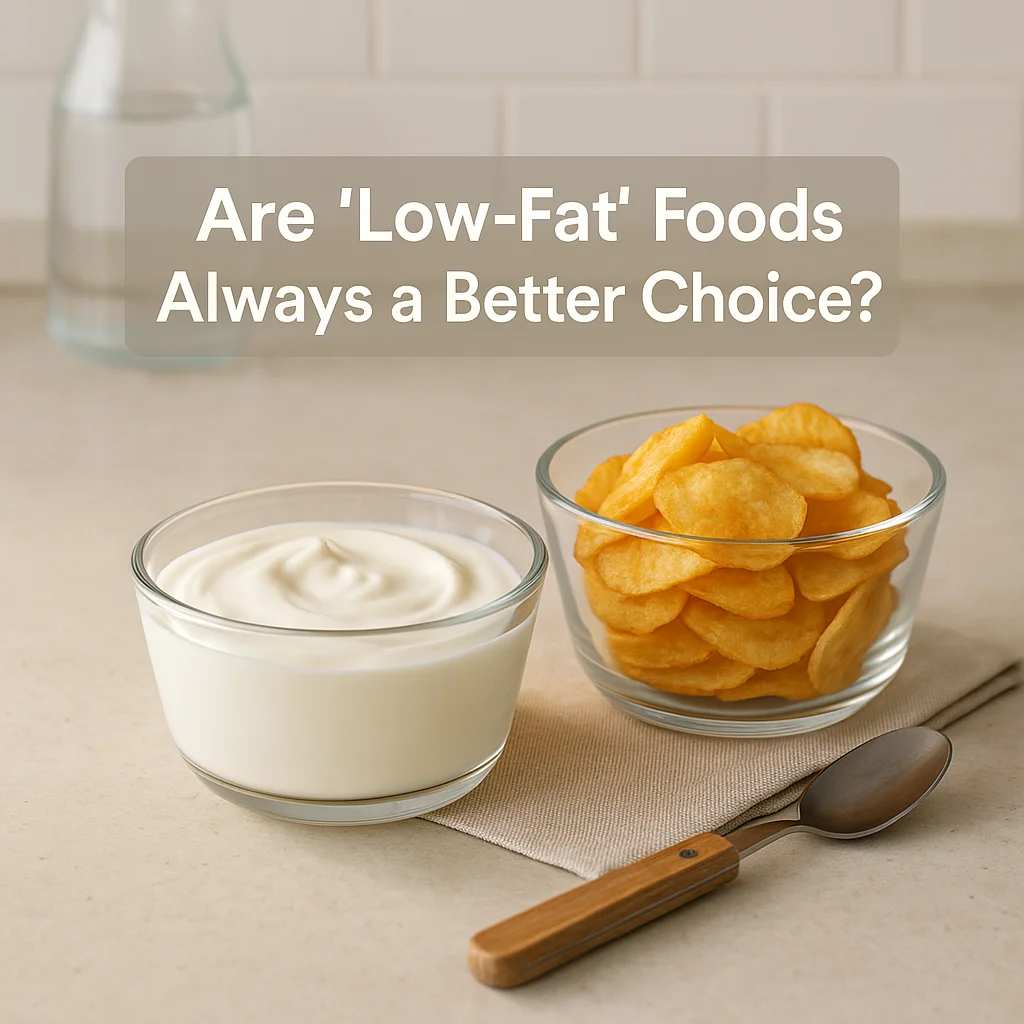
- Usually good for: Individuals looking to reduce calorie intake for weight management.
- Should be cautious: Those needing higher fat for energy, such as athletes.
- Best simple way to do it: Choose whole foods like fruits and vegetables naturally low in fat.
- Biggest mistake people make: Assuming "low-fat" means healthy and consuming them in excess.
- One practical “next step”: Read labels to understand what replaces the fat in low-fat products.
🧠 Why This Matters
The low-fat trend gained popularity with the belief that consuming less fat would automatically translate to better health and weight loss. However, this isn't the full picture. Our bodies need some fat to function efficiently, and cutting it entirely can affect energy levels, nutrient absorption, and overall well-being.
This is a globally relevant topic because dietary patterns have shifted toward processed foods, which often replace fats with sugars or artificial additives. Understanding the implications of these choices can help individuals make informed decisions about their diet.
🔬 What the Science Says
Nutrition science suggests that not all fats are created equal. Unsaturated fats, found in foods like nuts and avocados, can support heart health. Conversely, trans fats and excessive saturated fats are linked to various health issues. When low-fat foods remove these beneficial fats, they often compensate for taste with added sugars or sodium, potentially leading to negative health impacts.
Evidence is mixed regarding the benefits of low-fat diets. Some research supports their use for weight loss, but other studies suggest low-carb diets may be more effective. The outcomes are often influenced by individual metabolic responses and lifestyle factors.
⚖️ Benefits vs Downsides
- Benefits:
- Can aid in reducing calorie intake when managed carefully.
- May help lower cholesterol levels if they reduce intake of harmful fats.
- Useful in specific medical diets, such as those for gallbladder conditions.
- Easily available and identifiable in most grocery stores.
- Can help diversify food choices when balanced with healthy fats elsewhere.
- Downsides:
- Often high in sugars and other additives to enhance flavor.
- May lead to deficiencies in fat-soluble vitamins (A, D, E, K).
- Low-fat doesn’t always mean low-calorie.
- Can contribute to increased hunger levels and overeating later.
- May not provide enough energy for active individuals.
🎯 The Best Way to Apply This
- Define your dietary goals (weight loss, maintenance, muscle gain).
- Balance low-fat options with healthy fats (e.g., avocados, nuts).
- Prioritize whole food sources over processed low-fat products.
- Be mindful of ingredient lists and nutritional information labels.
- Consider consulting a nutritionist for personalized advice.
⏰ Timing, Portions, and Frequency
Low-fat foods can be consumed at any time of the day, but it's essential to ensure they are part of a balanced meal. Eating them with a source of healthy fat can enhance nutrient absorption, particularly fat-soluble vitamins. A good portion guideline is to use a "small bowl" or "a handful" as a reference for fruits, vegetables, and nuts as part of balanced meals.
Reading labels for calories and fat is vital, especially since low-fat doesn’t always mean low-calorie. Ensure your diet incorporates diverse macronutrients and remember, moderation is key.
🤝 Best & Worst Pairings (Food Combos)
- Pairs well with:
- Berries and oatmeal for a nutrient-rich breakfast.
- Whole grains, such as quinoa or brown rice, for balanced meals.
- Lean proteins like chicken or fish for a complete meal.
- Dark leafy greens for a nutrient boost.
- Be careful combining with:
- Sugar-heavy meals; can lead to calorie overload.
- Highly processed foods that may lack nutritional value.
- Trans fats; can negate the benefits of low-fat foods.
- High-sodium items; watch for labels indicating preservatives.
🚦Who Should Be Careful
Low-fat foods may not be suitable for everyone. Those with high energy requirements, like athletes, might not find them fulfilling. Individuals with vitamin deficiencies (A, D, E, K) need to be cautious, as fat is necessary for absorbing these nutrients. Additionally, if you're managing a chronic health condition, seek advice from a healthcare professional. If unsure, ask a pharmacist or clinician.
🧩 Common Mistakes and Fixes
- Relying solely on low-fat processed foods → Include whole foods with healthy fats.
- Ignoring the sugar content → Always check labels for hidden sugars.
- Assuming all fats are bad → Educate yourself about healthy fats.
- Skipping meals → Plan balanced meals to maintain energy and nourish your body.
- Overeating due to hunger → Pair with protein and fiber to stay fuller for longer.
- Buying into marketing without reading the label → Understand the ingredient list.
- Limited variety in the diet → Explore and incorporate a range of low-fat and healthy fat foods.
- Thinking "low-fat" is always healthier → Balance it with overall dietary needs.
📋 Quick Checklist
- Understand your dietary goals.
- Read nutritional labels carefully.
- Incorporate healthy fats.
- Avoid processed low-fat foods when possible.
- Balance meals with plenty of fruits and vegetables.
- Pair low-fat foods with proteins for satiety.
- Monitor sugar and sodium intake.
- Stay informed about nutrition basics.
- Consult a healthcare professional if needed.
- Consistently evaluate how your diet makes you feel.
- Focus on long-term dietary habits rather than quick fixes.
- Stay hydrated; it aids digestion and satiety.
- Plan meals ahead for better dietary control.
📌 Summary
- Low-fat foods are not always the best choice for everyone.
- Focus on individual health needs and balance with healthy fats.
- Be cautious of added sugars and sodium in low-fat products.
- Best method: choose whole foods and read labels wisely.
- Athletes and individuals with high energy needs may require additional fat.
- To start: gradually replace processed foods with whole alternatives.
- Avoid the misconception that all fats are unhealthy.
- Balance low-fat options with a varied diet to support overall wellness.