🥗 Can Vitamin C Prevent Colds?
✅ Key Takeaway
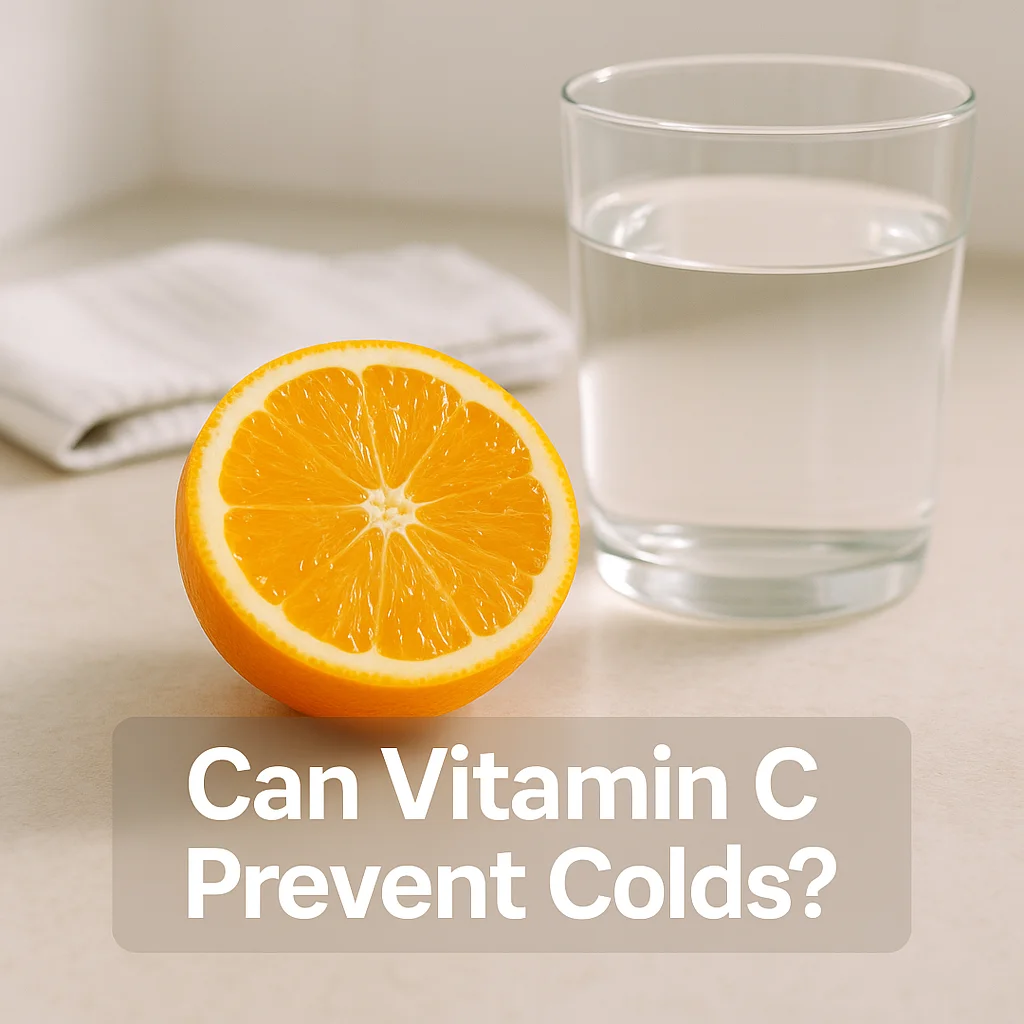
Vitamin C has long been touted for its potential role in preventing the common cold. However, current evidence suggests that vitamin C may not significantly prevent colds for most people, though it may reduce the duration and severity of symptoms.
- Who it’s usually good for: Those with a deficiency, athletes, and those in extreme environments may benefit.
- Who should be cautious: Individuals with kidney issues or those prone to kidney stones.
- Best simple way to do it: Incorporate vitamin C-rich foods like citrus fruits, berries, and peppers into your diet.
- Biggest mistake people make: Over-relying on supplements without a balanced diet.
- One practical “next step”: Add a colorful serving of fruits or vegetables to your daily meals.
🧠 Why This Matters
The common cold is an inconvenience many face, leading to missed days at work or school and general discomfort. Finding ways to mitigate its impact can significantly improve everyday life. While not a cure-all, understanding the role of nutrients like vitamin C offers a non-invasive method to potentially feel better during cold season.
🔬 What the Science Says
Vitamin C is vital for immune function, and it's thought to enhance the body's natural defenses against infections. The idea is that it helps support various cellular functions of the immune system. However, study results are mixed; while regular vitamin C intake is not shown to prevent colds among the general population, it may slightly shorten cold duration and lessen severity. Its benefits might be more pronounced in individuals under physical stress or living in cold environments.
⚖️ Benefits vs Downsides
- Benefits:
- May reduce cold duration and severity.
- Supports overall immune function.
- Offers antioxidants that fight free radicals.
- Essential for skin health and healing.
- Contributes to iron absorption.
- Found in many delicious, healthy foods.
- Generally safe when consumed through diet.
- Downsides/Cautions:
- High doses may lead to gastrointestinal issues.
- Potentially increases kidney stone risk in some.
- Over-reliance on supplements can neglect other nutrients.
- Expensive in supplement form without proven benefit for all.
- Can interfere with specific medications; consult healthcare.
- More is not always better; unnecessary megadoses.
🎯 The Best Way to Apply This
- Focus on consuming a balanced diet rich in fruits and vegetables.
- Choose whole foods like kiwis, strawberries, and oranges for natural vitamin C intake.
- Consider supplementation only if you're in a high-risk group or have dietary restrictions.
- Monitor your overall nutritional intake for a holistic approach to health.
⏰ Timing, Portions, and Frequency
Since vitamin C is water-soluble, it's best consumed evenly throughout the day via meals and snacks. Foods like fruits and vegetables can be eaten with meals or as between-meal snacks. Keep your portions reasonable with cues like “a small bowl” or “a handful.” If considering supplements, always follow packaging guidelines and consult a healthcare professional if unsure.
🤝 Best & Worst Pairings (Food Combos)
- Pairs well with:
- Good sources of healthy fats, like nuts and seeds, to enhance nutrient absorption.
- Iron-rich foods like spinach to improve absorption.
- Diverse vegetables in a salad to provide a broad nutrient profile.
- Be careful combining with:
- Caffeinated drinks, which might interfere with absorption.
- Excessive sodium intake that may detract from vitamin absorption.
- High-sugar processed foods that offer little nutrients.
🚦Who Should Be Careful
- Those with kidney disorders.
- Individuals prone to kidney stones.
- Anyone taking specific medications—professional advice recommended.
- If unsure, always consult a pharmacist or clinician.
🧩 Common Mistakes and Fixes
- Relying solely on supplements → Pair with a balanced diet.
- Ignoring food sources → Improve diet variety with fruits and veggies.
- Overconsumption → Stick to food-based vitamin C and consult for supplements.
- Skipping expert advice → Consult healthcare providers with concerns.
- Ignoring allergies → Check for allergens in supplements.
- Assuming invincibility → Practice regular hygiene and lifestyle for cold prevention.
- Not watching portion sizes → Keep portions balanced for nutritional diversity.
- Following trends indiscriminately → Stick to established nutrition guidelines.
📋 Quick Checklist
- Add a serving of fruits or veggies at each meal.
- Include a variety of colors in your diet.
- Stay hydrated with water, not sugary drinks.
- Practice regular hand hygiene.
- Consider vitamin C-rich snacks like kiwi and peppers.
- Avoid megadoses without professional guidance.
- Pair vitamin C with iron for enhanced absorption.
- Be cautious with supplements if you have kidney issues.
- Consult healthcare providers if on medication.
- Stay informed about balanced nutrition for immune support.
- Practice overall well-being with regular sleep and exercise.
- Check food labels if using fortified products.
📌 Summary
- Vitamin C may not prevent colds but could reduce their duration and severity.
- Best consumed through a balanced diet with vitamin C-rich foods.
- Be cautious about supplements, especially if you have kidney issues.
- Start by integrating a variety of fruits and vegetables into your routine.
- Be aware of potential interactions with medications.
- Maintain a holistic approach to health, including regular sleep and hydration.
- Focus on simple dietary changes over excessive supplement use.
- If symptoms persist or concerns arise, consult a clinician.
- Regularly review and update your nutrition knowledge.
- Practice preventive measures like hand hygiene alongside dietary choices.
- Ensure nutritional diversity by incorporating multiple vitamins and minerals.