🥗 Does Eating Fruit at Night Make You Gain Weight?
✅ Key Takeaway
In most cases, eating fruit at night does not directly cause weight gain. Weight gain usually results from an overall surplus of calories, not the timing of fruit consumption.
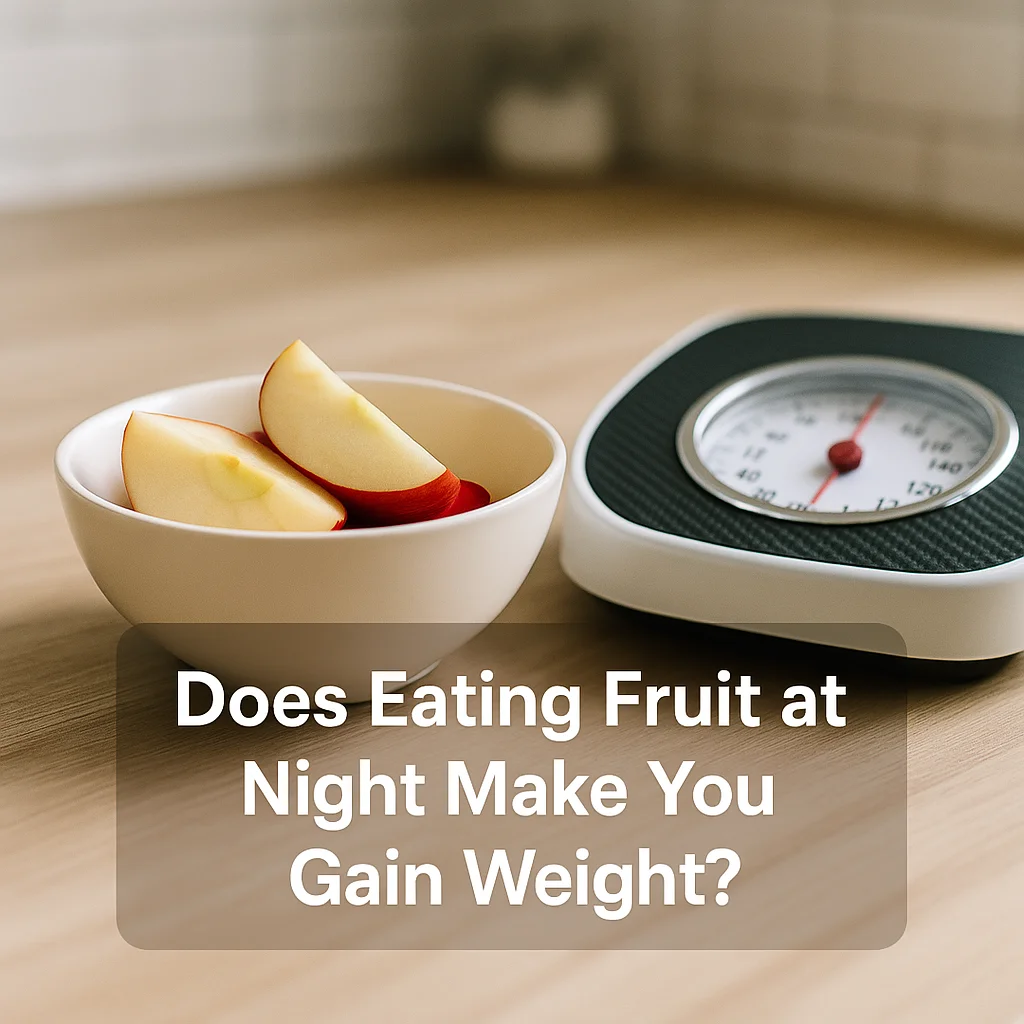
However, there are nuances to consider, such as individual metabolism and overall dietary habits.
- Who it's usually good for: Individuals who need a light, nutritious snack
- Who should be cautious: People with digestive issues or blood sugar concerns
- Best simple way to do it: Enjoy a small portion of fruit, like an apple or a few berries
- Biggest mistake people make: Consuming fruit in large, calorie-dense desserts at night
- One practical “next step”: Monitor how your body responds to eating fruit at night
🧠 Why This Matters
Many people seek a healthy lifestyle and look for guidance on when and what to eat. Eating late at night is often associated with poor digestion or weight gain, leading to confusion about what foods are suitable. Fruit is widely considered healthy, yet its timing can raise questions. Understanding how late-night eating affects your health can help make informed choices that support your goals.
🔬 What the Science Says
The primary factors in weight management are calories consumed versus calories expended. Fruits are low in calories but high in nutrients, making them a good choice for most diets. However, the body's metabolism doesn’t significantly slow down while you sleep, so the time of consumption has minimal impact on weight. Fiber in fruit can aid digestion, promote satiety, and help regulate blood sugar. That said, individuals vary significantly in how they metabolize foods, suggesting a personalized approach is beneficial.
⚖️ Benefits vs Downsides
- Benefits:
- Rich in vitamins and minerals
- High in dietary fiber
- Currently low-calorie
- Can satisfy sweet cravings healthily
- Provides hydration due to high water content
- Downsides/Cautions:
- May cause digestive discomfort in some
- Possible blood sugar spikes for sensitive individuals
- Overconsumption can lead to excessive calorie intake
- Might interfere with some medications
- Not a substitute for balanced meals
🎯 The Best Way to Apply This
- Choose whole fruits over processed snacks.
- Consume fruits in small portions to avoid overeating.
- Mix fruit with protein or healthy fats for sustained energy.
- Monitor digestion and adjust based on personal comfort.
- Enjoy a fruit that you find particularly satisfying or comforting at night.
⏰ Timing, Portions, and Frequency
While the timing of fruit consumption is largely a matter of personal preference and tolerance, eating fruit at night can be a light snack that doesn’t disrupt sleep. A small palm-sized portion is often sufficient, such as a banana or a small bowl of strawberries. Listening to hunger cues and adjusting portions accordingly can help manage balance and prevent over-snacking.
🤝 Best & Worst Pairings (Food Combos)
- Pairs well with:
- Greek yogurt for added protein
- Almonds for healthy fats
- Cottage cheese for satiety
- Be careful combining with:
- Sugary desserts which can add unnecessary calories
- Caffeinated teas which might disrupt sleep
- Heavy meals that may lead to overeating
🚦Who Should Be Careful
- Individuals with irritable bowel syndrome (IBS) or other digestive issues
- People with diabetes or blood sugar concerns should monitor their reactions
- Those on medications that interact with fruit should consult a clinician
- If unsure, ask a pharmacist or healthcare provider
🧩 Common Mistakes and Fixes
- Mistake: Overeating fruit due to its healthy reputation. → Fix: Measure portions to avoid excess calories.
- Mistake: Consuming fruit juices instead of whole fruit. → Fix: Opt for whole fruit to gain maximum fiber benefits.
- Mistake: Pairing fruit with high-sugar desserts. → Fix: Eat fruit with nutrient-dense foods like nuts or yogurt.
- Mistake: Eating dried fruits unaware of high sugar content. → Fix: Limit dried fruit intake or choose fresh options.
- Mistake: Ignoring body’s response to nighttime snacking. → Fix: Pay attention to how eating patterns affect sleep and digestion.
📋 Quick Checklist
- Choose fresh fruit for nighttime snacking
- Monitor portion sizes carefully
- Pair with protein for balance
- Avoid combining with sugary foods
- Listen to your body's response to different fruits
- Adjust choices based on digestion comfort
- Consider potential interactions with medications
- Hydrate adequately through the night
- Avoid eating fruit too close to sleep if discomfort arises
📌 Summary
- Eating fruit at night doesn’t inherently cause weight gain
- Focus on portion control for nocturnal snacking
- Pair with proteins or healthy fats
- Monitor your body’s reactions to fruit at night
- Avoid high-sugar pairings
- If digestive issues occur, reassess choices
- Consider individual health conditions and discuss with a clinician if needed