🥗 Does “Sugar-Free” Automatically Mean Healthy?
✅ Key Takeaway
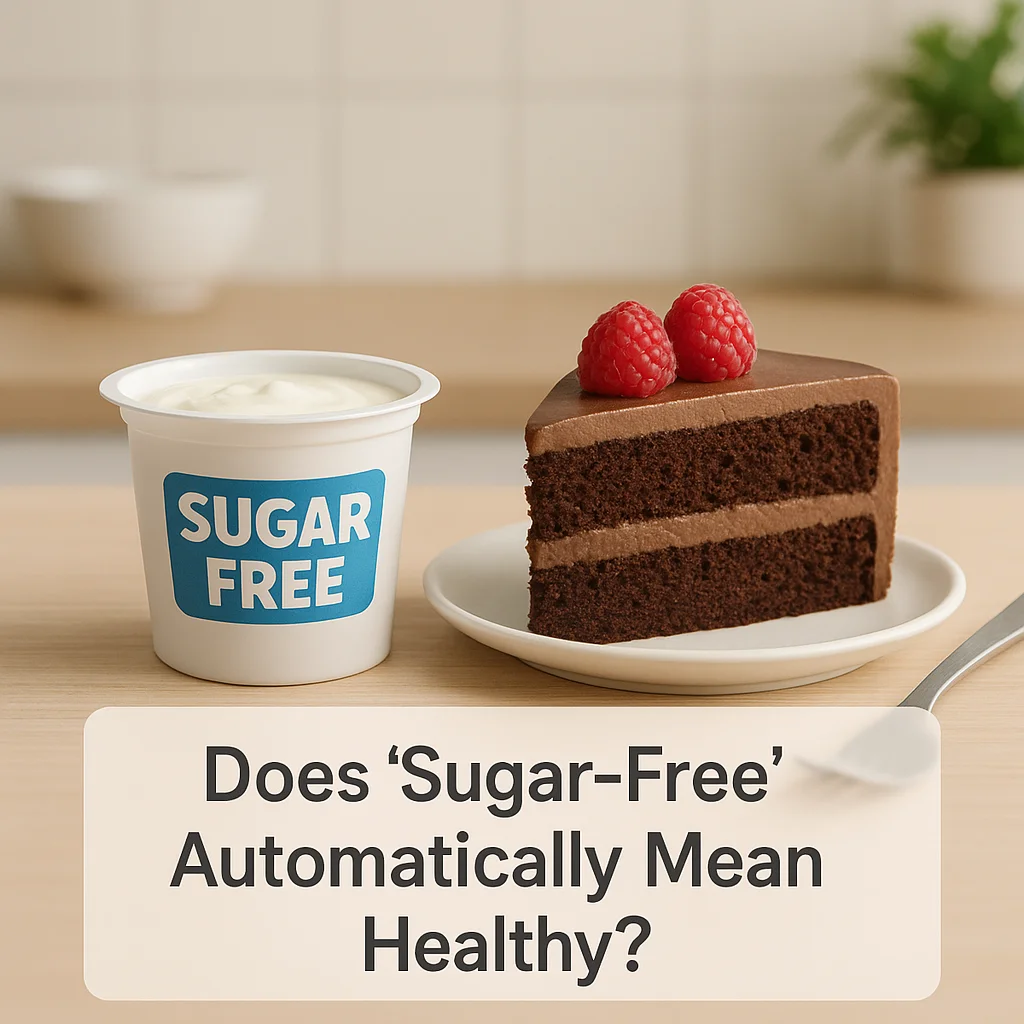
In most cases, "sugar-free" does not automatically mean healthy. While reducing sugar can be beneficial for some, it's essential to consider the whole nutritional profile rather than focusing solely on sugar content.
- Good for: Those managing blood sugar levels
- Be cautious if: You're sensitive to artificial sweeteners
- Best way: Choose whole foods with natural sweetness
- Mistake: Assuming sugar-free means low-calorie
- Next step: Check ingredient labels for additives
🧠 Why This Matters
With rising concerns about obesity and diabetes, many people are turning to sugar-free products as a healthier option. The idea is to avoid the negative effects of sugar, such as energy crashes and cravings. However, sugar-free labels can be misleading, and the real-life challenge is navigating these labels to make choices that truly benefit health.
🔬 What the Science Says
Sugar-free products often replace sugar with artificial sweeteners or sugar alcohols. While these substitutes can offer the sweetness without the calorie load, their effects on the body can vary. Evidence suggests that some artificial sweeteners may not impact blood sugar levels directly, but their long-term health effects are still being studied. Moreover, sugar alcohols in excess can cause digestive discomfort.
Research is mixed on the impact of sugar substitutes on cravings and satiety. Some studies indicate that they can help reduce calorie intake, while others suggest they might confuse hunger signals, leading to overeating.
⚖️ Benefits vs Downsides
- Benefits:
- May help with weight management
- Supports blood sugar control
- Can reduce dental cavities
- Offers variety for those avoiding sugar
- Downsides/Cautions:
- May contain artificial additives
- Possible digestive issues from sugar alcohols
- Potential for increased cravings
- Sugar-free doesn’t mean low-carb or low-calorie
🎯 The Best Way to Apply This
- Read labels carefully to understand what's included
- Opt for natural sweetness in foods like fruits
- Limit consumption of sugar-free products with artificial ingredients
- Balance sugar-free items with whole, nutritious foods
⏰ Timing, Portions, and Frequency
Consider enjoying sugar-free foods as part of a balanced diet. Morning can be a good time to control calorie intake with sugar-free options, potentially avoiding late-day cravings. Portion awareness is key, as "sugar-free" doesn’t equate to "eat freely": focus on a small bowl or a handful at a time to avoid excessive consumption of sugar substitutes.
🤝 Best & Worst Pairings (Food Combos)
- Pairs well with:
- Whole fruits
- Nuts and seeds
- Whole grain breads
- Be careful combining with:
- Highly processed foods
- Artificially sweetened beverages
- Foods containing high levels of sugar alcohols
🚦 Who Should Be Careful
- Individuals with digestive sensitivity to sugar alcohols
- Those with migraines possibly linked to artificial sweeteners
- People with specific dietary needs or restrictions
- If unsure, ask a pharmacist/clinician.
🧩 Common Mistakes and Fixes
- Mistake: Assuming sugar-free equals calorie-free → Fix: Always check nutritional information
- Mistake: Over-relying on sugar-free snacks → Fix: Incorporate more whole foods
- Mistake: Ignoring the overall ingredient list → Fix: Review for hidden additives
- Mistake: Indulging too often in sugar alcohols → Fix: Keep portions modest
- Mistake: Not considering the effect on cravings → Fix: Monitor how sugar-free affects appetite
- Mistake: Neglecting other sources of sugar → Fix: Take note of natural sugars in fruits
📋 Quick Checklist
- Read labels for artificial ingredients
- Monitor your body's response to sugar substitutes
- Combine with whole foods for a balanced diet
- Avoid assuming "sugar-free" means "healthy"
- Be mindful of sugar alcohols' digestive effects
- Choose foods with natural sweetness when possible
- Pay attention to overall dietary patterns
- Limit sugar-free items if prone to cravings
- Avoid high frequency of artificially sweetened beverages
- Consult a health professional if uncertain
📌 Summary
- Sugar-free is not automatically healthy
- Choose whole foods with natural sweetness
- Be aware of ingredient lists and nutritional facts
- Potential downsides include additives and digestive issues
- Balance sugar-free items with nutrient-rich foods
- Consider timing and portion sizes
- Sugar-free pairs best with whole foods like fruits
- Sensitive groups should exercise caution
- The simplest habit to start: check labels carefully