🥗 Is Brown Rice Always Better Than White Rice?
✅ Key Takeaway
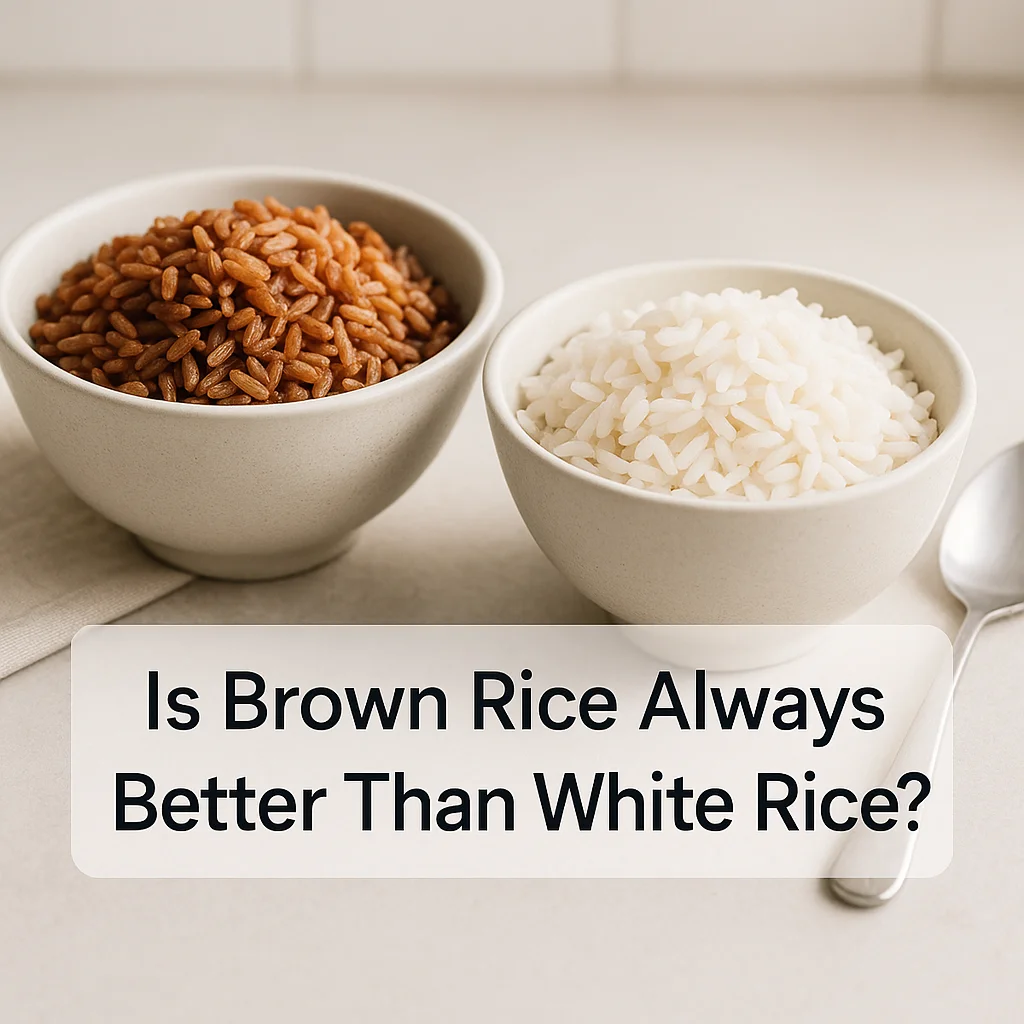
In most cases, brown rice isn't inherently better than white rice—it depends on your dietary needs and preferences. Brown rice offers more nutrients, while white rice is easier to digest for some people.
- Usually good for: Those seeking higher fiber and nutrient intake.
- Caution for: People with sensitive digestive systems or certain nutrient absorption issues.
- Best simple way: Choose rice that aligns with dietary goals and individual tolerance.
- Biggest mistake: Assuming brown rice is always the best choice without considering digestion and taste preferences.
- Practical next step: Try incorporating both types in meals to see which fits your needs best.
🧠 Why This Matters
Choosing between brown and white rice influences your overall nutritional intake, digestion, and meal satisfaction. With rice being a staple food globally, understanding the merits and drawbacks of each type can help optimize dietary habits, energy levels, and digestion, making it easier to align food choices with health goals.
🔬 What the Science Says
Brown rice retains its bran and germ layers, providing more fiber, vitamins, and minerals compared to white rice, which has these layers removed. This means brown rice typically offers more nutrients like magnesium, iron, and B vitamins. However, the fiber in brown rice can make it harder to digest for some, leading to discomfort, especially for those with sensitive digestive systems. White rice, with its lighter fiber content, is often easier to digest and can be beneficial in situations requiring lower grain fiber intake.
⚖️ Benefits vs Downsides
- Benefits of Brown Rice:
- Higher in fiber, which aids digestion and satiety.
- Contains more vitamins and minerals.
- Lower glycemic index, which may help in managing blood sugar levels.
- Packed with antioxidants for maintaining health.
- May contribute to a lower risk of chronic diseases if part of a balanced diet.
- Benefits of White Rice:
- Easier to digest for those with gastrointestinal issues.
- Faster cooking time and longer shelf life.
- Low fiber can be useful in specific dietary needs requiring gentle digestion.
- Clean flavor profile that blends well with numerous dishes.
- Downsides of Brown Rice:
- Harder to digest due to higher fiber content.
- May cause bloating or gas for sensitive individuals.
- Longer cooking time compared to white rice.
- Can contain higher levels of arsenic, a naturally occurring substance.
- Downsides of White Rice:
- Lower in nutrients and antioxidants.
- Higher glycemic index, potentially affecting blood sugar spikes.
- Lacks dietary fiber that aids in fullness and digestion.
- Often enriched, but some people avoid enriched foods.
🎯 The Best Way to Apply This
- Assess your dietary goals and digestive tolerance.
- Consider including a mixture of both types in your meals.
- Experiment with different recipes that use brown and white rice.
- Observe how each type affects your energy levels and digestion.
- Adjust portions based on personal wellness goals.
⏰ Timing, Portions, and Frequency
Choose the type of rice that best fits the time of day and meal context. Brown rice, with its higher fiber content, may be more satiating for lunch or dinner, supporting sustained energy. White rice may be preferable during times requiring quicker digestion or after intense physical activity. Aim for moderate portions—around a small bowl—and balance with other food groups for a well-rounded meal.
🤝 Best & Worst Pairings (Food Combos)
- Pairs well with:
- Brown rice pairs well with lean proteins like chicken or beans for a balanced meal.
- White rice complements curries and sauces, absorbing flavors efficiently.
- Both types go well with vegetables like broccoli, spinach, and carrots for added nutrients.
- Be careful combining with:
- High-fat sauces that can overshadow the nutrients in brown rice.
- Low-fiber meals if digestibility is an issue and fiber intake is desired.
- Excessive starchy sides that can lead to overly high carbohydrate intake.
🚦Who Should Be Careful
- Individuals with digestive sensitivities may find brown rice challenging to digest.
- Those with blood sugar management needs should monitor intake and type used.
- Individuals on a low-fiber diet due to medical reasons should moderate brown rice consumption.
- If unsure, ask a pharmacist/clinician.
🧩 Common Mistakes and Fixes
- Assuming brown rice is always healthier → Consider personal dietary needs and digestion.
- Overlooking cooking time differences → Plan ahead to accommodate brown rice's longer cook time.
- Not adjusting portions → Align portion sizes with dietary energy and fiber needs.
- Ignoring taste preferences → Choose the type that you'll enjoy consistently, ensuring sustainability.
- Using outdated rice → Check freshness as both types have shelf-life limitations.
- Exceeding carbohydrate limits by consuming alongside too many starchy foods → Balance meals with proteins and vegetables.
📋 Quick Checklist
- Consider dietary goals and personal nutrition needs.
- Assess digestion before deciding on rice choice.
- Balance meals with rice, proteins, and vegetables.
- Explore recipes to enjoy both brown and white rice.
- Plan for longer cook times if opting for brown rice.
- Monitor portion sizes and overall energy intake.
- Be mindful of meal balance to avoid too many carbs.
- Mind taste preferences to ensure dietary adherence.
- Inspect rice packaging for freshness and quality.
- Consult healthcare providers if unsure about rice's nutritional fit.
- Focus on a variety of whole foods for balanced nutrition.
- Regularly update rice supplies to prevent spoilage.
📌 Summary
- Is brown rice always better? It depends on individual needs and goals.
- Brown rice is nutrient-rich but harder to digest.
- White rice is easier on the stomach, suitable for quick meals.
- Integrate both types based on dietary and digestive compatibility.
- Monitor portion sizes for balanced nutrition and energy.
- Choose rice that complements other meal components.
- Remain cautious with rice pairings to avoid excess carbohydrates.
- If unsure about how to use rice optimally, consult with health experts.