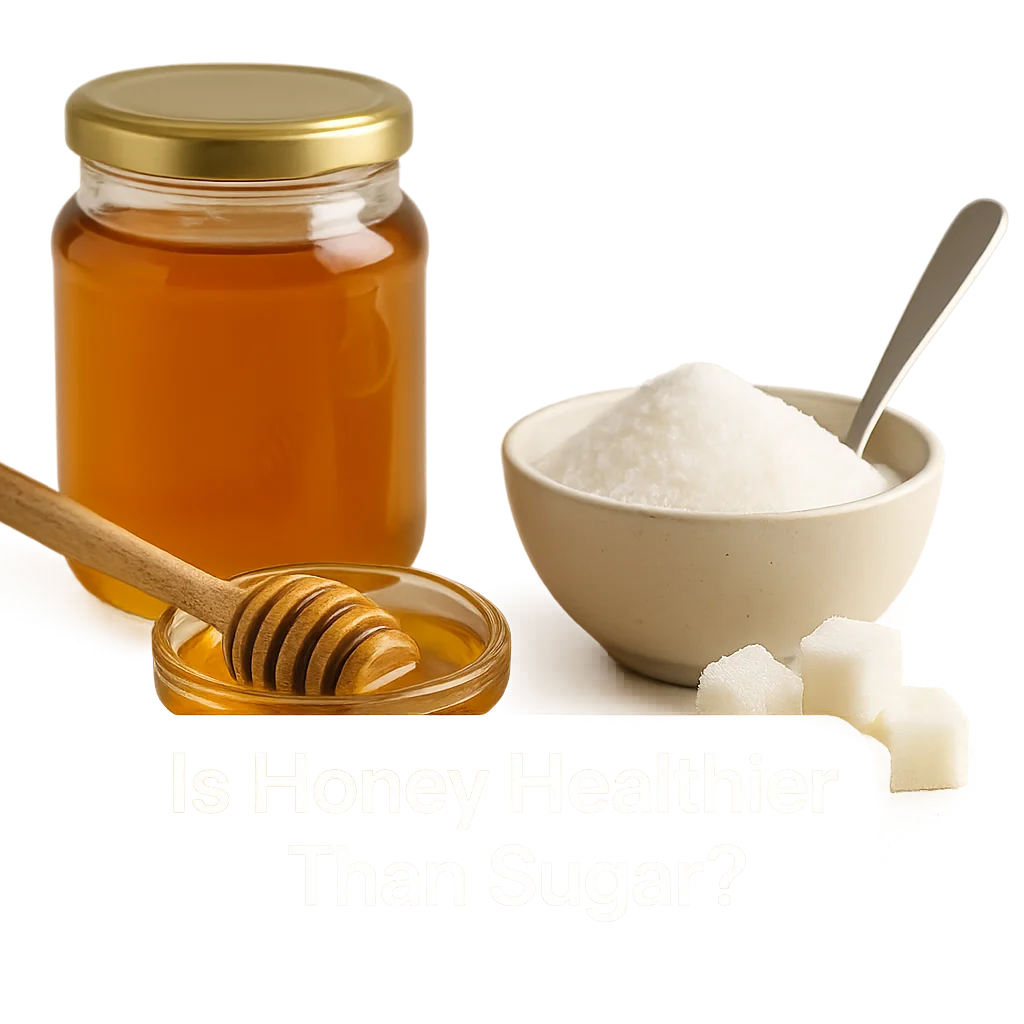
🥗 Is Honey Healthier Than Sugar?
✅ Key Takeaway
The question of whether honey is healthier than sugar is nuanced. Both are sweeteners with distinct characteristics. In most cases, honey may offer some benefits over sugar due to its additional nutrients, but moderation is essential for both.
- Usually good for: Those seeking a natural sweetener with trace nutrients.
- Be cautious if: You have diabetes or need to manage blood sugar levels.
- Best simple way: Substitute honey for sugar in moderation.
- Biggest mistake: Overconsumption thinking honey is 'healthier'.
- Next step: Experiment with honey in hot drinks or baking.
🧠 Why This Matters
Sweeteners are ubiquitous in our diets, and their effects on health are a global concern. Excessive sugar consumption is linked with weight gain, insulin resistance, and dental issues. Understanding alternatives like honey can help make informed dietary choices that align with health goals.
🔬 What the Science Says
Honey is a natural sweetener that consists mostly of fructose and glucose, similar to sugar. However, honey contains small amounts of vitamins, minerals, and antioxidants, which can contribute to its health appeal. The evidence is mixed, but some studies suggest honey may have a lower glycemic index than sugar, leading to a slower, steadier rise in blood sugar levels.
Nevertheless, the caloric content of honey is roughly similar to sugar, and overconsumption of either can lead to health issues associated with high sugar intake.
⚖️ Benefits vs Downsides
- Benefits:
- Contains antioxidants.
- May have anti-inflammatory properties.
- Natural cough suppressant.
- Lower glycemic index than sugar.
- May promote healthier cholesterol levels.
- Downsides/Caution:
- High in calories.
- Can impact blood sugar levels.
- Risk of botulism in infants.
- Can cause tooth decay.
- May trigger allergic reactions in some.
🎯 The Best Way to Apply This
- Start by using honey as a sweetener in beverages.
- Replace sugar with honey in baking recipes, using slightly less due to its sweetness.
- Mix honey with warm water and lemon for a soothing drink.
- Use honey in salad dressings for a touch of natural sweetness.
- Enjoy honey with yogurt or oatmeal for a nutritious breakfast.
⏰ Timing, Portions, and Frequency
For general use, honey is most enjoyable and effective when consumed in moderation. It can be included in both morning and evening meals, but be mindful of portions. A small teaspoon or drizzle offers ample sweetness. Avoid consuming large amounts in one sitting to maintain balanced energy levels and prevent unnecessary calorie overload.
🤝 Best & Worst Pairings (Food Combos)
- Pairs well with:
- Oatmeal and cereals.
- Herbal teas and coffee.
- Nut butters and fruit.
- Plain yogurt or kefir.
- Grilled meats as a glaze.
- Be careful combining with:
- Highly plastic-y or ultra-processed foods.
- Sweetened beverages (risk of excess sweetness).
- Dairy desserts with added sugar.
🚦Who Should Be Careful
- Individuals with diabetes or insulin resistance.
- Those watching calorie intake for weight management.
- Infants under one year old (risk of botulism).
- People with pollen or bee allergies.
- If unsure, ask a pharmacist/clinician.
🧩 Common Mistakes and Fixes
- Thinking all-natural equals healthy → Remember moderation is key.
- Using too much honey → Start with small amounts and adjust as needed.
- Heating honey to high temperatures → Prefer low-temperature integration.
- Not considering hidden sugars → Check recipes and adjust other sweeteners accordingly.
- Ignoring allergies → Ensure no allergic reactions to honey.
- Substituting one-for-one with sugar → Use less honey due to its sweetness density.
📋 Quick Checklist
- Is honey better for you? Sometimes, if used wisely.
- Don't overconsume; even honey packs calories.
- Experiment with small amounts in meals.
- Observe any allergic reactions.
- Consider blood sugar responses.
- Check for honey in ingredient lists.
- Use in morning teas or coffees.
- Try honey as a drizzle rather than a base.
- Guard against dental issues with oral hygiene.
- Store honey properly to maintain quality.
- Ensure no honey for infants.
- Ask a clinician if you have health concerns.
📌 Summary
- Is honey healthier than sugar? It depends, but it may offer some benefits.
- Substitute honey for sugar in moderation.
- Consider blood sugar impacts and allergic factors.
- Best method: Experiment with honey in different recipes.
- Be mindful of portion sizes and caloric intake.
- Avoid giving honey to infants.
- If you're prone to allergies, test with small amounts.
- Pair honey well for balanced meals.
- Use honey for natural sweetness and limit processed sugars.