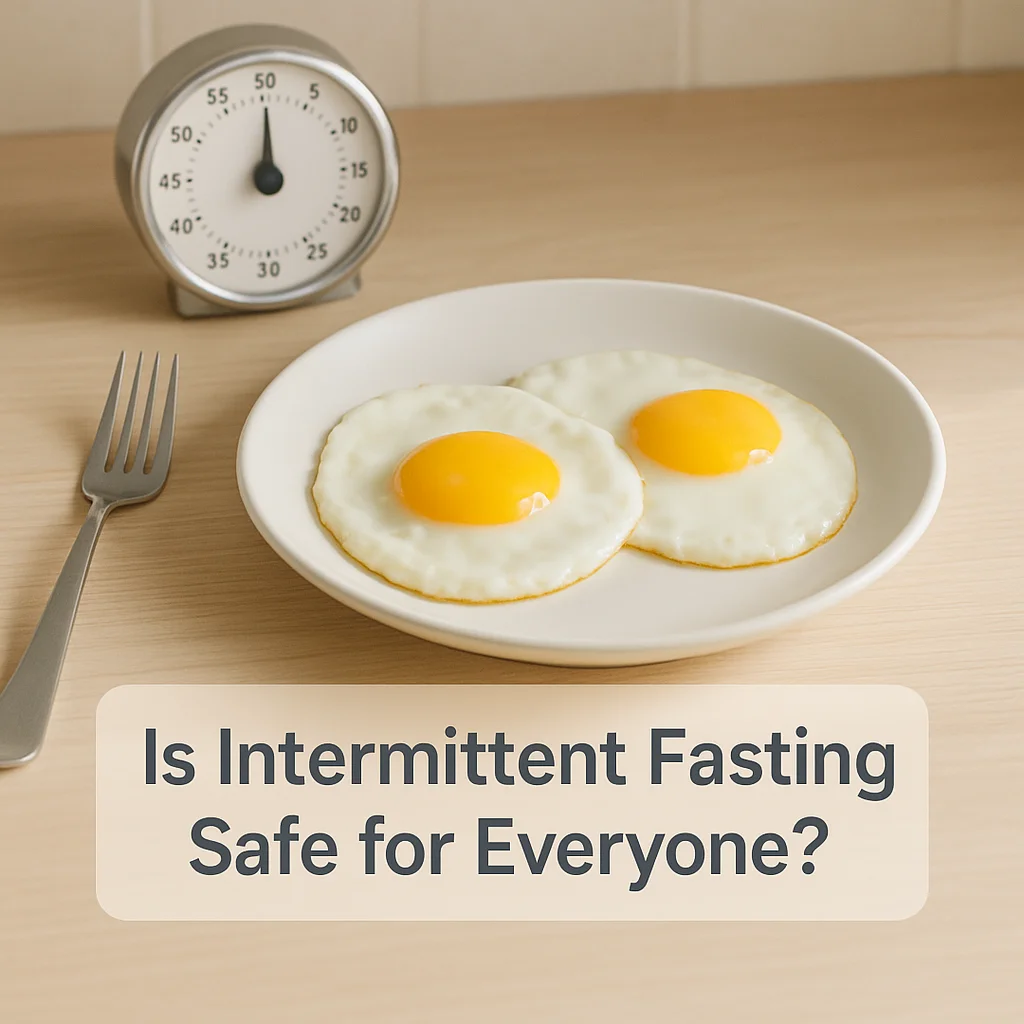
🥗 Is Intermittent Fasting Safe for Everyone?
✅ Key Takeaway
Intermittent fasting can be a safe practice for many people, but it is not suitable for everyone. People considering it should evaluate their own health circumstances and possibly consult with a healthcare provider.
- Who it’s usually good for: Generally healthy adults looking to manage weight or improve metabolic health.
- Who should be cautious: Those with eating disorders, pregnant or breastfeeding women, and people with chronic health conditions.
- Best simple way to do it: Start with the 16:8 method—16 hours of fasting and an 8-hour eating window.
- Biggest mistake people make: Not eating nutrient-dense foods during the eating window.
- One practical “next step”: Try skipping breakfast and extend the fasting window by delaying the first meal of the day.
🧠 Why This Matters
In today's fast-paced world, many people struggle with maintaining a healthy weight and managing energy levels. Intermittent fasting can offer a simple structure that can potentially help manage cravings, boost energy, and promote a more balanced lifestyle globally.
🔬 What the Science Says
Intermittent fasting can help regulate digestion and improve satiety by allowing the body time to use stored energy. It tends to impact the body’s blood sugar response by potentially reducing insulin levels and encouraging fat burning. The scientific community has mixed views due to individual variations and limited long-term studies, but short-term findings generally show potential benefits for metabolic health.
⚖️ Benefits vs Downsides
- Benefits:
- Can promote weight management and fat loss.
- May improve blood sugar control.
- Encourages healthier eating patterns by limiting late-night snacking.
- May support metabolic health improvements.
- Downsides:
- Can lead to nutrient deficiencies if not well-managed.
- Might cause initial fatigue and irritability.
- Risk of disordered eating in susceptible individuals.
- May not be sustainable for those with demanding schedules.
🎯 The Best Way to Apply This
- Begin with the 16:8 method: fast for 16 hours and eat within an 8-hour window.
- Ensure meals are balanced and nutrient-dense during the eating window.
- Stay hydrated with water, herbal teas, or black coffee during fasting periods.
- Listen to your body and adjust fasting hours as necessary.
⏰ Timing, Portions, and Frequency
Consider starting your first meal around midday and finishing your last meal by early evening. During fasting, consuming only non-caloric beverages is recommended. For meals, aim for balanced portions focusing on whole foods like vegetables, lean proteins, and whole grains.
🤝 Best & Worst Pairings (Food Combos)
- Pairs well with:
- Fruits with nuts for balanced snacks.
- Lean proteins with vegetables for satiating meals.
- Whole grains with healthy fats for sustained energy.
- Be careful combining with:
- Highly processed foods, as they can spike blood sugar levels.
- Caffeine late in the day, which can disrupt sleep.
- Excessive sugary foods, which may counteract fasting benefits.
🚦Who Should Be Careful
- Individuals with a history of eating disorders.
- Pregnant or breastfeeding women.
- People with chronic health conditions like diabetes or heart disease.
- If unsure, ask a pharmacist or clinician.
🧩 Common Mistakes and Fixes
- Skipping fasting but overeating → Focus on meal quality over quantity.
- Not staying hydrated → Carry a water bottle and sip throughout the day.
- Ignoring hunger cues → Listen to your body and adjust fasting times as needed.
- Going too extreme too fast → Start with a shorter fasting window.
- Choosing high-calorie drinks → Opt for water or unsweetened herbal tea.
- Lack of sleep impacting fasting → Aim for consistent, quality sleep.
📋 Quick Checklist
- Determine if intermittent fasting aligns with your lifestyle.
- Try the 16:8 method for a manageable introduction.
- Focus on eating whole, nutrient-dense foods.
- Stay adequately hydrated, especially during fasting.
- Be mindful of how your body responds and adjust accordingly.
- Avoid processed and high-sugar foods during eating windows.
- Consider your personal health needs and consult a professional if needed.
- Track your energy levels and moods for any changes.
- Ensure your fasting schedule does not interfere with social activities.
- Gradually incorporate fasting into your routine rather than making abrupt changes.
📌 Summary
- The direct answer: It’s safe for many but not everyone.
- Best method: Start with the 16:8 fasting pattern.
- Key cautions: Be attentive to personal health conditions.
- Easiest habit to start today: Skip breakfast to extend the fasting window.