🥗 Is More Protein Always Better?
✅ Key Takeaway
In most cases: it depends. While protein is essential for various bodily functions, more isn't always better for everyone. It supports muscle repair, provides energy, and contributes to satiety, but excessive amounts can lead to imbalances or health concerns for some individuals.
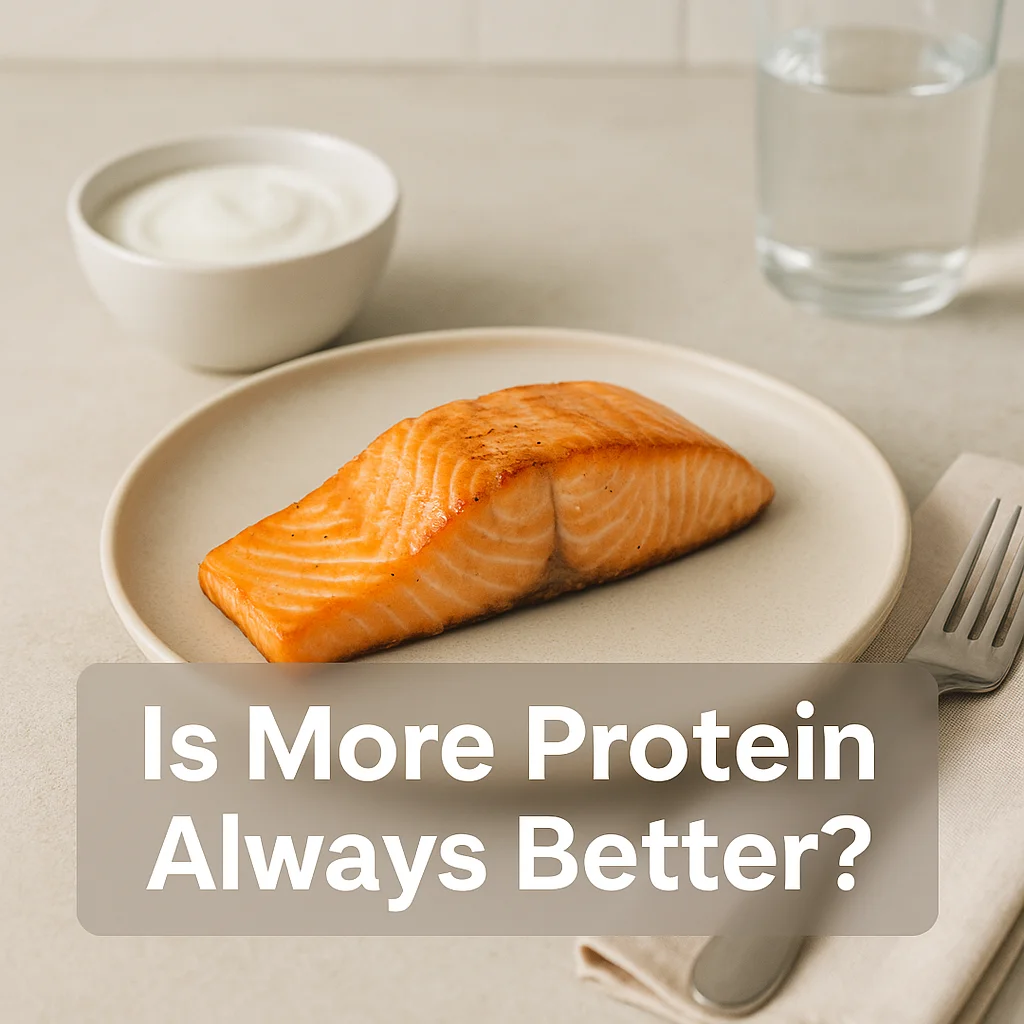
- Usually good for athletes, bodybuilders, and those with higher physical demands.
- Cautious approach for those with kidney issues or certain metabolic disorders.
- Best simple way to monitor protein intake is through balanced meals including varied sources.
- Biggest mistake is consuming protein in isolation without other nutrients.
- Next step: evaluate your current intake and adjust to align with lifestyle needs.
🧠 Why This Matters
Protein is a vital nutrient often linked with body performance, muscle development, and weight management. In our fast-paced world where people seek quick health fixes, there’s a pervasive belief that more protein equals better health. Understanding the role and balance of protein can help improve energy levels, prevent cravings, and support overall well-being. Knowing what works for you is key to maintaining a healthy lifestyle.
🔬 What the Science Says
Protein is crucial for numerous bodily functions, including building and repairing tissues, making enzymes and hormones, and supporting immune function. It provides a feeling of fullness, helping control overall calorie intake. However, science shows that while increasing protein can aid in muscle development and weight loss, going overboard may lead to unnecessary stress on organs such as the kidneys. The evidence on optimal amounts varies widely based on individual activity levels, dietary habits, and health conditions.
⚖️ Benefits vs Downsides
- Benefits:
- Supports muscle growth and recovery.
- Helps in controlling appetite and reducing hunger.
- Provides a steady energy supply.
- Can aid in weight management when appropriately balanced.
- Enhances skin, hair, and nail health.
- Downsides or Cautions:
- Overconsumption may stress kidneys.
- Potential to displace other essential nutrients.
- Some protein sources can increase cholesterol levels.
- May cause digestive discomfort if suddenly increased.
🎯 The Best Way to Apply This
- Determine daily protein needs based on lifestyle and activity level.
- Include a variety of protein sources: plant-based and animal-based.
- Balance protein intake with carbohydrates and fats in meals.
- Monitor how your body responds and adjust intake as needed.
- Consider professional advice if unsure about individual needs.
⏰ Timing, Portions, and Frequency
Protein can be consumed throughout the day, ideally spread across meals for continuous nourishment. Aim for portion sizes that fit into a balanced diet, such as a palm-sized portion of meat or a small bowl of legumes. Supplementation should align with dietary habits and overall health strategy—always read labels and choose quality sources.
🤝 Best & Worst Pairings (Food Combos)
- Pairs well with: whole grains like quinoa or brown rice, vegetables, healthy fats like avocados, and fruits.
- Be careful combining with: excessive processed carbohydrates, high-sugar drinks, heavy fats (fried foods), and excessive salts.
🚦Who Should Be Careful
- Individuals with kidney conditions.
- Those with gout or certain types of kidney stones.
- Anyone on specific medications—check with a healthcare provider.
- If unsure about risks, ask a pharmacist or clinician.
🧩 Common Mistakes and Fixes
- Over-relying on protein shakes → Include whole foods for balanced nutrition.
- Neglecting fresh produce → Pair protein with vegetables for fiber.
- Ignoring portion control → Stay mindful of meal sizes.
- Skipping meals to focus only on protein → Aim for balanced meals.
- Using high-fat protein sources → Choose lean meats or plant-based proteins.
- Misinterpreting needs → Seek guidance if protein needs are unclear.
📋 Quick Checklist
- Evaluate current protein intake.
- Balance protein with other macronutrients.
- Incorporate plant-based proteins diversely.
- Spread protein intake throughout meals.
- Choose lean protein sources more often.
- Listen to body signals and adjust as necessary.
- Consider lifestyle demands when planning intake.
- Consult professionals for personalized advice.
- Minimize processed protein products.
- Avoid excessive increase in protein suddenly.
- Be mindful of how body reacts to dietary changes.
- Regularly review and adjust dietary habits.
📌 Summary
- Answer: It depends, more protein isn't always better for everyone.
- Best applied by balancing with other nutrients.
- Key caution for those with kidney or specific health concerns.
- Easiest habit: Monitor and diversify protein sources naturally.
- Spread intake throughout the day.
- Listen to your body's signals.
- Consult with professionals for tailored advice.
- Balance is crucial for optimal health benefits.
- Emphasize quality and natural sources.
- Adjust based on lifestyle and personal health context.
- Start today: evaluate and incorporate diverse protein sources.
- Avoid extreme dietary changes without guidance.