🥗 Is MSG Really Bad for You?
✅ Key Takeaway
In most cases, MSG (monosodium glutamate) isn't bad for you. Many people consume it without any negative effects. However, some individuals may be sensitive to it and experience adverse reactions. For the average person, moderate MSG consumption as part of a balanced diet is generally safe.
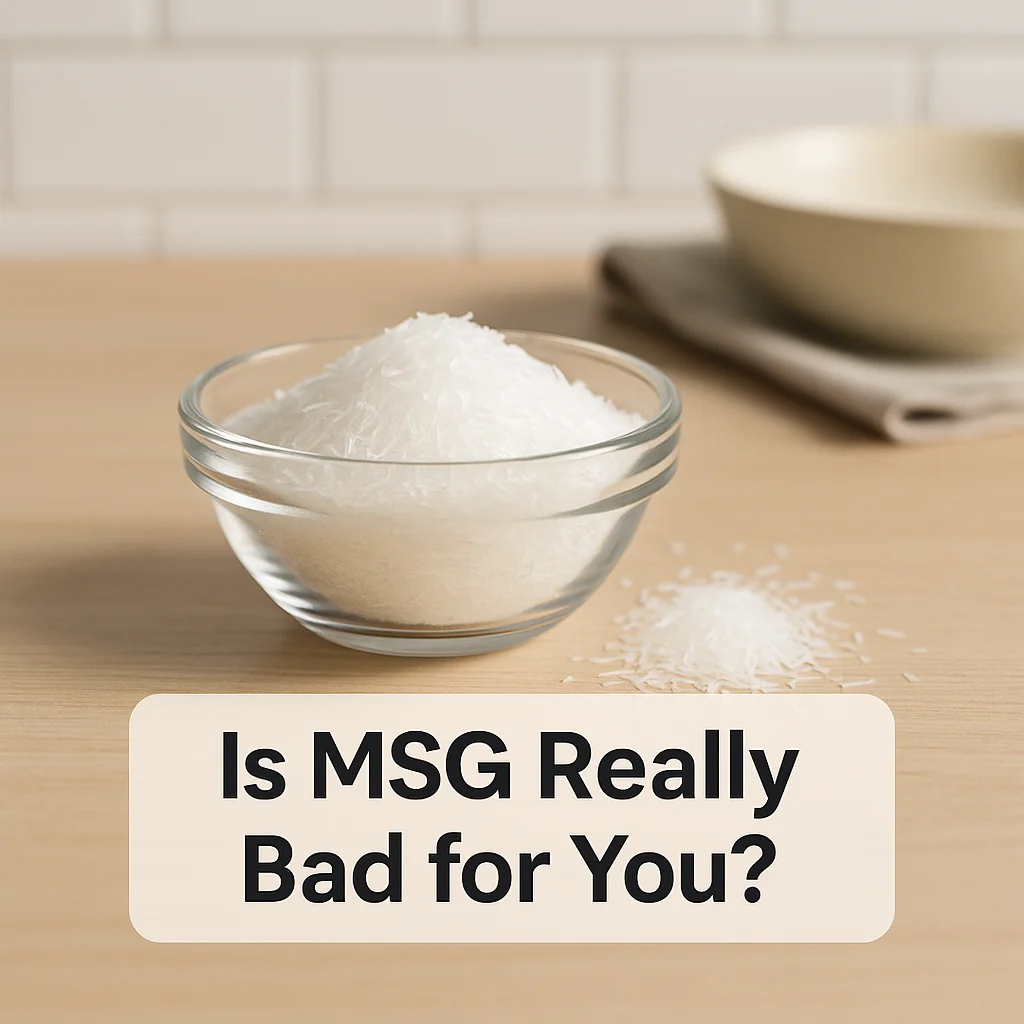
- Good for enhancing flavors in cooking
- People with sensitivities should be cautious
- Best way is to use it sparingly
- Biggest mistake: assuming it’s harmful for everyone
- Next step: try MSG in small amounts to see how it affects you
🧠 Why This Matters
MSG often gets a bad rap due to its association with "Chinese restaurant syndrome," but understanding MSG's role can help us make more informed choices. As a flavor enhancer, it’s used worldwide in various cuisines to boost taste, which can lead to more enjoyable meals and potentially reduce excessive salt usage. However, some people report sensitivity to MSG, translating this dietary consideration into a relatable issue.
🔬 What the Science Says
MSG is a sodium salt of glutamic acid, a non-essential amino acid found naturally in foods like tomatoes and cheese. It enhances umami flavor, making foods taste richer. Scientific studies often show mixed results regarding its safety. While some individuals report mild symptoms like headaches after consuming MSG, controlled studies do not consistently support these claims. MSG is recognized as safe by global food safety organizations when consumed in typical amounts.
⚖️ Benefits vs Downsides
- Enhances umami flavor, making meals more palatable
- Can reduce overall sodium intake when used instead of salt
- Is naturally found in many nutritious foods
- Is widely considered safe by health organizations
- Possible mild sensitivity reactions in some individuals
- Linked to "Chinese restaurant syndrome" symptoms in anecdotal reports
- Might lead to overconsumption if used excessively in processed foods
🎯 The Best Way to Apply This
- Start by adding a small pinch of MSG to your cooking.
- Observe your body's reaction over several meals.
- Mix with other seasonings to create well-rounded flavors.
- Use MSG as a substitute for some, but not all, salt to lower sodium intake.
⏰ Timing, Portions, and Frequency
MSG can be added to meals at any time of the day. It’s often used during cooking to meld with ingredients. A small pinch is usually sufficient for a dish. Balance its use with other herbs and spices to prevent overconsumption. When using MSG in processed foods, moderate intake to maintain a balanced diet.
🤝 Best & Worst Pairings (Food Combos)
- Pairs well with: tomatoes, mushrooms, parmesan, soy sauce, seaweed
- Be careful combining with: high-sodium processed foods, very spicy dishes (as it might mask the flavor), sugary foods
🚦Who Should Be Careful
- People with MSG sensitivity or allergy symptoms
- Those on a low-sodium diet due to health reasons
- Individuals prone to migraines
- If unsure, ask a pharmacist/clinician
🧩 Common Mistakes and Fixes
- Mistake: Believing MSG is harmful for everyone → Fix: Educate yourself on studies and recommendations
- Mistake: Overusing MSG in every meal → Fix: Use it sparingly and complement with other seasonings
- Mistake: Ignoring potential sensitivity → Fix: Monitor your body's reactions whenever trying new ingredients
- Mistake: Confusing naturally occurring glutamate with added MSG → Fix: Read food labels and ingredient lists carefully
- Mistake: Using MSG to compensate for poor-quality ingredients → Fix: Use fresh, high-quality ingredients to naturally enhance flavors
- Mistake: Avoiding all foods labeled with MSG → Fix: Gradually test small amounts if not sensitive
📋 Quick Checklist
- Recognize MSG in food as a flavor enhancer
- Experiment with moderate amounts in your cooking
- Avoid using MSG to mask low-quality foods
- Read food labels for MSG content
- Monitor any physical reactions to consuming MSG
- Use it to reduce overall sodium intake
- Understand that MSG is deemed safe by experts
- Pair MSG with umami-rich foods for best effect
- Ask a clinician if you suspect an MSG sensitivity
- Do not over-rely on MSG for flavor
📌 Summary
- MSG is generally not bad for you, but individual sensitivity varies
- Best method: use in moderation to enhance food flavors
- Key caution: those who experience symptoms should be careful
- Easiest habit: start using small amounts of MSG in cooking
- Monitor for adverse effects in personal consumption
- Pairs well with naturally umami foods
- Avoid pairing MSG with very high-sodium processed foods
- Consult a clinician if unsure about sensitivity risks
- Balance MSG use with a variety of other seasonings
- MSG can help reduce the need for added salt in meals