🥗 Is One Glass of Wine a Day Still “Healthy” Today?
✅ Key Takeaway
The question of whether one glass of wine a day is “healthy” depends largely on the individual. For many, moderate wine consumption can be part of a balanced lifestyle, but it's not a one-size-fits-all recommendation.
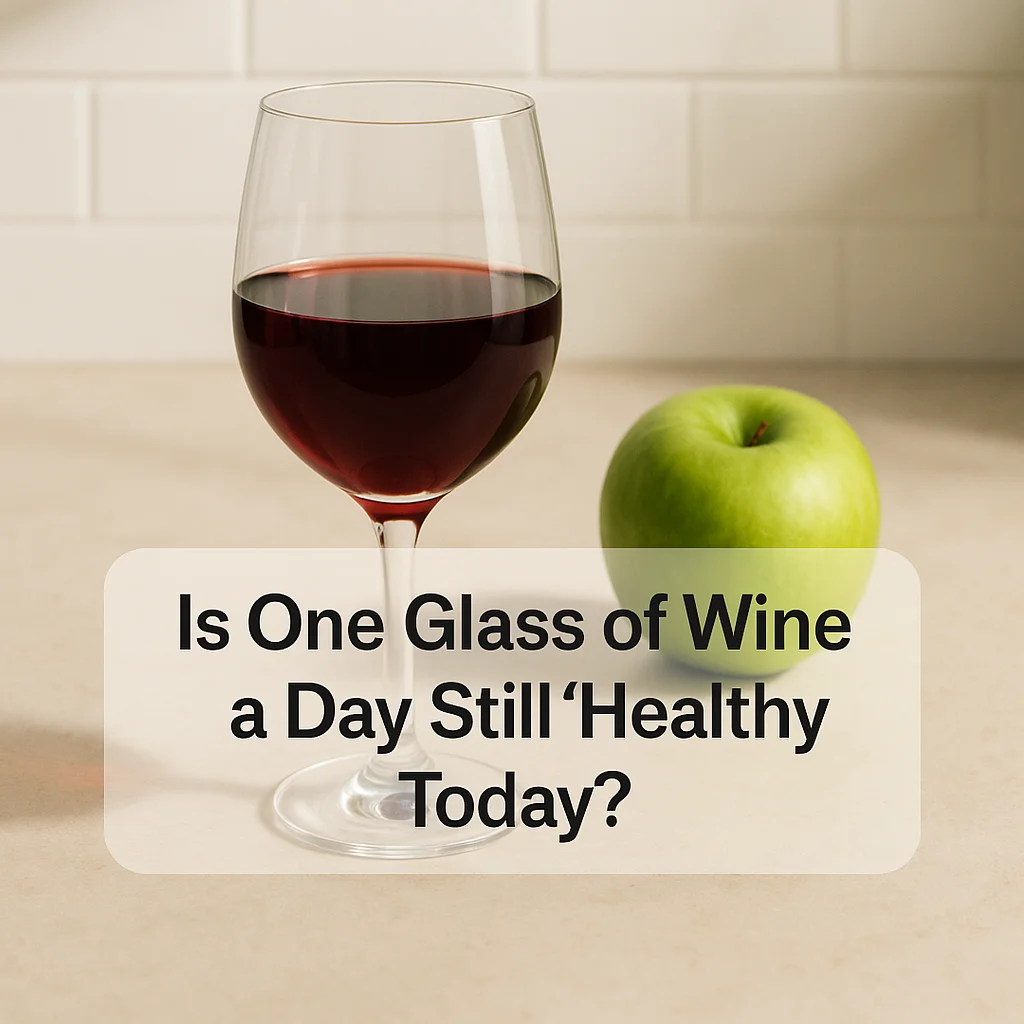
- Who it’s usually good for: Generally healthy adults who drink in moderation.
- Who should be cautious: Those with liver conditions, pregnant individuals, and people with a history of alcohol addiction.
- Best simple way to do it: Sip slowly and pair with meals.
- Biggest mistake people make: Underestimating the size of a “glass” of wine.
- One practical “next step”: Assess your health and lifestyle to decide if daily wine consumption is right for you.
🧠 Why This Matters
In today's fast-paced world, many people are seeking stress-relief through diet and lifestyle choices. Wine is often touted as a heart-healthy option due to its antioxidants and resveratrol content. However, questions remain about its true impact on health, prompting many to reassess their consumption habits.
🔬 What the Science Says
Wine contains antioxidants, particularly resveratrol, which is believed to have heart-protective benefits. These antioxidants may help reduce inflammation and protect blood vessels. However, the evidence is mixed and benefits can diminish with excessive alcohol consumption.
While moderate wine consumption has been associated with some health benefits, the dose is crucial. Studies often highlight the importance of "moderate" amounts, but interpretations of this vary, and the line between moderate and excessive can be subjective.
⚖️ Benefits vs Downsides
- Benefits: May protect heart health, could improve longevity when consumed moderately, contains antioxidants, and may boost HDL cholesterol levels.
- Downsides/cautions: Risk of addiction, potential liver damage, can increase risk of certain cancers, may contribute to weight gain.
🎯 The Best Way to Apply This
- Consider your health status before incorporating wine into your daily routine.
- Define "moderation" based on personal tolerance and size of wine servings.
- Select high-quality wines to possibly enhance any antioxidant benefits.
- Treat wine as an occasional treat rather than a dietary staple.
- Pair wine with balanced meals to slow alcohol absorption and mitigate potential health risks.
⏰ Timing, Portions, and Frequency
Drinking wine with dinner can be a mindful way to incorporate it into your routine. This timing may also improve digestion by limiting alcohol absorption when food is present in the stomach. Remember, a standard glass of wine is about 5 ounces, so keep portion sizes in mind.
🤝 Best & Worst Pairings (Food Combos)
- Pairs well with: High-fiber foods like vegetables or whole grains, cheese, nuts, and lean proteins.
- Be careful combining with: Heavy, fatty meals, spicy dishes, and sugary desserts can increase the perceived effects of alcohol.
🚦Who Should Be Careful
- People with liver diseases or a family history of liver issues.
- Individuals on medications that interact with alcohol.
- Those pregnant or trying for pregnancy should generally avoid alcohol.
- If unsure about interactions, consult a pharmacist or clinician.
🧩 Common Mistakes and Fixes
- Mistake: Drinking too quickly → Fix: Sip slowly and savor the wine.
- Mistake: Not considering the size of the glass → Fix: Measure your portions to keep them within a standard serving.
- Mistake: Pairing wine with unhealthy foods → Fix: Opt for nutrient-dense pairings.
- Mistake: Using wine as a stress-coping mechanism → Fix: Utilize a variety of stress-relief strategies, like exercise or meditation.
- Mistake: Drinking on an empty stomach → Fix: Always accompany wine with food.
- Mistake: Ignoring personal health conditions → Fix: Re-evaluate consumption in context of health priorities.
📋 Quick Checklist
- Assess your personal health needs and history.
- Define what moderation means for you.
- Select a specific time to enjoy your wine responsibly.
- Verify medications for alcohol interactions.
- Use a measured wine glass for portion control.
- Pair wine with balanced meals for better absorption.
- Avoid using wine as emotional support.
- Regularly reassess your lifestyle and adjust intake if necessary.
- Monitor your physical and emotional well-being.
- If in doubt, start with no more than a few times a week.
📌 Summary
- Enjoy wine in moderation, assessing personal health factors.
- Match wine with meals rather than consuming on an empty stomach.
- Be mindful of portions and glass sizes.
- Consider health conditions or medications when deciding.
- Start with small adjustments in your consumption patterns.
- Focus on integrating a variety of stress-management techniques.
- Understand that moderation benefits may not outweigh risks for everyone.
- Reassess your approach regularly and listen to your body.