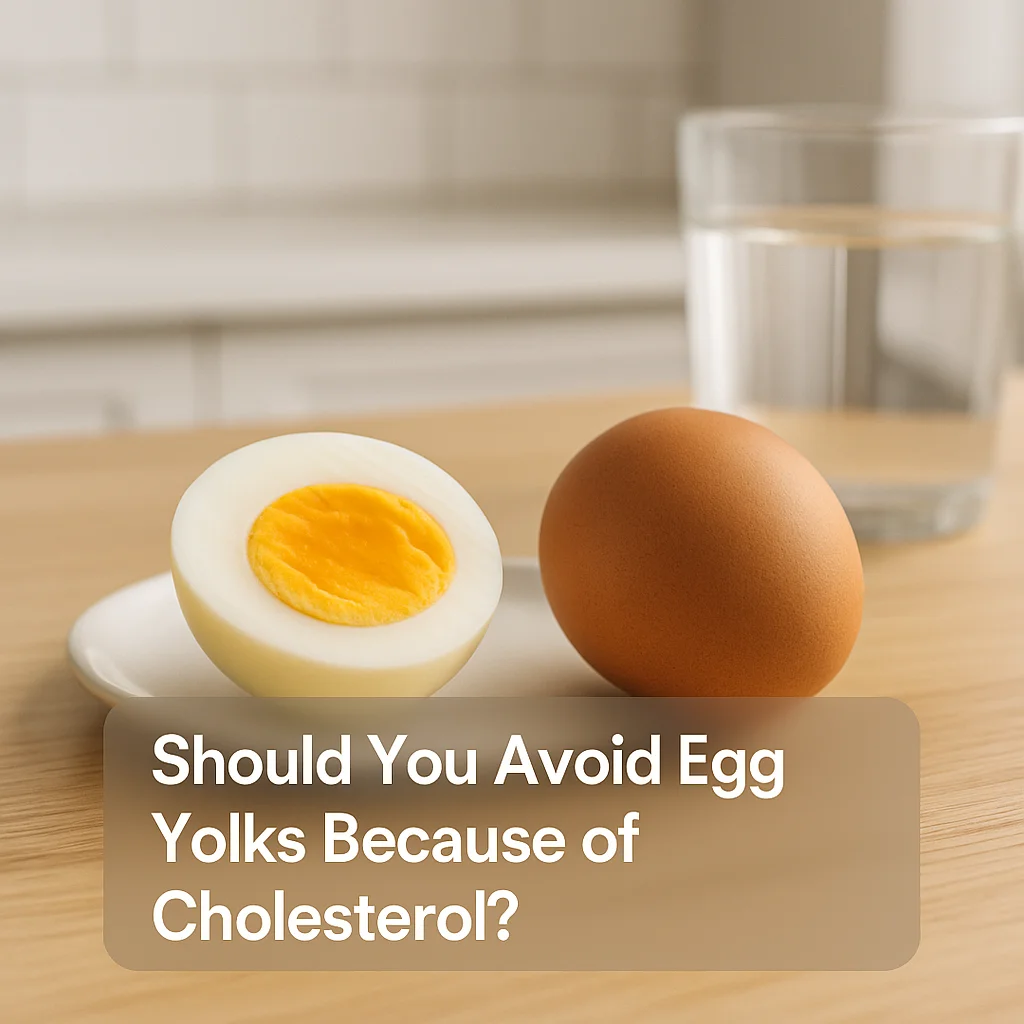
🥗 Should You Avoid Egg Yolks Because of Cholesterol?
✅ Key Takeaway
In most cases, you don't need to avoid egg yolks solely because of cholesterol. Many individuals can enjoy them as part of a balanced diet without adverse health effects. However, people with specific health concerns should be cautious.
- Who it's usually good for: Most healthy adults, especially those needing more nutrients
- Who should be cautious: Individuals with high cholesterol or heart disease risk
- Best simple way to do it: Include egg yolks in moderation
- Biggest mistake people make: Avoiding yolks entirely based on outdated cholesterol fears
- One practical “next step”: Start with a balance of whole eggs and whites
🧠 Why This Matters
Egg yolks are nutrient-rich but have been avoided by some due to cholesterol content fears. Understanding the role of egg yolks in diet can illuminate how they fit into your health goals, influencing energy levels, satiety, and nutrient intake.
🔬 What the Science Says
Cholesterol in egg yolks was once thought to raise blood cholesterol levels significantly. However, current research suggests dietary cholesterol has a smaller impact than once believed. The body regulates cholesterol production based on intake. For most, eating eggs keeps cholesterol levels stable due to the balance between dietary and liver-produced cholesterol.
Evidence is mixed, though. While many studies show negligible effects on heart health in healthy individuals, differences in individual metabolism and genetic factors mean some may experience more significant impacts.
⚖️ Benefits vs Downsides
Egg yolks offer numerous benefits while posing some risks for certain individuals.
- Benefits:
- Rich in nutrients like vitamin D and B vitamins
- Provide high-quality protein for muscle maintenance
- Contain healthy fats beneficial for hormone production
- Include antioxidants like lutein and zeaxanthin, supporting eye health
- Downsides:
- High in cholesterol, concerning for some with heart disease risk
- May contribute to calorie surplus if eaten in large quantities
- Potential allergen risk for sensitive individuals
- Not suitable for those advised to follow low-cholesterol diets
🎯 The Best Way to Apply This
To incorporate egg yolks wisely into your diet:
- Observe portion control by eating 1–3 whole eggs at a time
- Balance whole eggs with egg whites if you concern about cholesterol
- Pair eggs with a variety of other foods for a balanced nutrient intake
- Watch your overall dietary cholesterol from all sources, not just eggs
⏰ Timing, Portions, and Frequency
Eggs can be eaten at any time but are popularly consumed during breakfast to benefit from their protein content. A portion typically includes 1–2 eggs. Eating them as part of a varied diet ensures you’re not exceeding dietary guidelines on cholesterol.
🤝 Best & Worst Pairings (Food Combos)
- Pairs well with: Whole grain toast, leafy greens, low-fat dairy, avocados
- Be careful combining with: High-saturated-fat meats (e.g., bacon), excessively fatty or fried foods
🚦Who Should Be Careful
- Individuals with familial hypercholesterolemia
- Those with a history of heart disease
- If you're on medications affecting cholesterol levels, consult a clinician
- Egg-allergic individuals
- If unsure, ask a pharmacist/clinician about dietary cholesterol impacts
🧩 Common Mistakes and Fixes
- Mistake: Avoiding all egg yolks
- Fix: Incorporate them moderately into meals
- Mistake: Eating too many eggs daily
- Fix: Balance egg consumption with mixture of other proteins
- Mistake: Assuming all cholesterol is bad
- Fix: Understand the difference between dietary cholesterol and blood cholesterol
- Mistake: Ignoring your personal health history
- Fix: Tailor your diet to your individual health needs
- Mistake: Over-relying on eggs for protein
- Fix: Diversify your protein sources
📋 Quick Checklist
- Consider your own dietary needs before consuming egg yolks
- Incorporate whole eggs moderately
- Balance with egg whites to manage cholesterol intake
- Complement eggs with vegetables for a nutritious meal
- Mindfully enjoy eggs as part of a balanced diet
- Understand that dietary cholesterol’s impact varies between individuals
- Seek input from a healthcare provider if you have cholesterol concerns
- Recognize the nutritional value of egg yolks beyond cholesterol content
- Avoid adding high-fat sides like bacon consistently
- Learn about healthy fats and their role in the diet
- Keep track of your overall dietary habits, not just eggs
- Experiment with new recipes to enjoy eggs healthily
- Stay informed on evolving nutritional science
📌 Summary
- The direct answer: Most people don't need to avoid egg yolks solely due to cholesterol
- Best method: Incorporate them moderately with a variety of foods
- Key cautions: Be mindful if you have hypercholesterolemia or heart disease risks
- Easiest habit to start today: Balance whole eggs with other proteins
- Eggs are a versatile, nutrient-rich food option
- Understand and weigh the evidence for and against dietary cholesterol
- Eggs can be part of any meal, adaptable to various cuisines
- Listen to your body and observe how you respond to egg consumption
- Consider trying new forms of eggs in your recipes
- Overall, eggs are more than just a source of cholesterol
- Keeping a varied diet is key to managing health goals