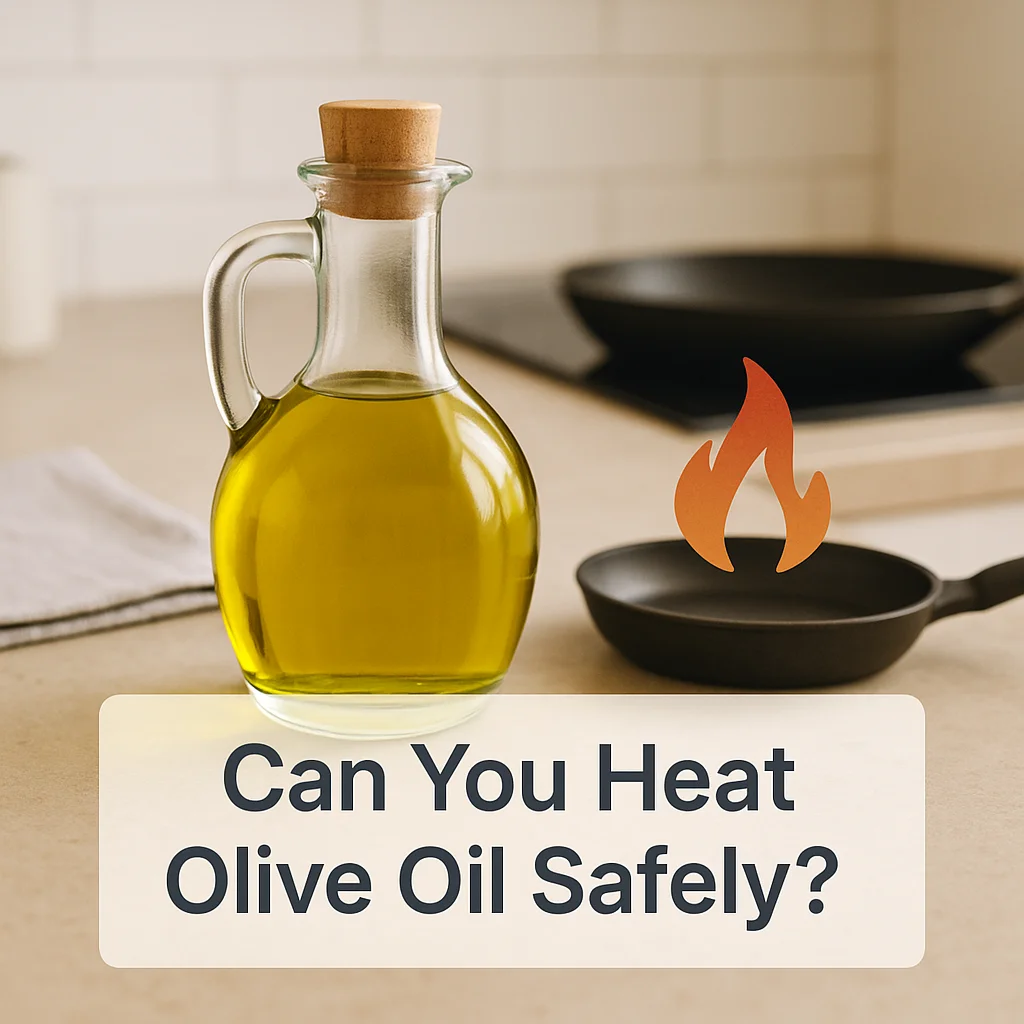
🥗 Can You Heat Olive Oil Safely?
✅ Key Takeaway
Yes, you can heat olive oil safely for most cooking methods. However, it's important to understand the type of olive oil you are using and the temperature you're cooking at to avoid losing nutritional benefits and prevent potential smoke issues.
- Usually good for those cooking with moderate heat
- Caution for high-heat cooking lovers
- Best used for sautéing or light frying
- Biggest mistake: overheating it until it smokes
- Next step: Use a pan with good heat distribution
🧠 Why This Matters
In many kitchens worldwide, olive oil is a staple ingredient. It’s prized for its flavor and health benefits, being rich in monounsaturated fats and antioxidants. Understanding how to heat it properly ensures you retain its beneficial properties and can enjoy both its taste and nutritional value.
Heating olive oil inadequately can lead to the breakdown of these beneficial compounds and potentially impart a burnt flavor to your dish. Knowing how to use it can improve your overall cooking outcomes.
🔬 What the Science Says
The science behind heating olive oil revolves around its smoke point—the temperature at which it starts to produce visible smoke and can break down into potentially harmful compounds. Extra virgin olive oil tends to have a smoke point around 374–405°F (190–207°C), which is suitable for most sautéing and baking tasks.
Studies suggest that olive oil can maintain its stability and most of its nutrients even when used in moderate-heat cooking. Therefore, using olive oil within its smoke point range can preserve its beneficial nutrients like vitamin E and antioxidants.
⚖️ Benefits vs Downsides
- Benefits:
- Rich in heart-healthy monounsaturated fats
- Contains antioxidants like vitamin E
- May support balanced cholesterol levels
- Provides a flavorful cooking medium
- Associated with a Mediterranean diet, linked to various health benefits
- Downsides/Cautions:
- Can lose antioxidants if heated beyond its smoke point
- High smoke point oils may be better for deep frying
- Potential for creating acrid smoke if overheated
- Extra virgin variations may be more expensive
🎯 The Best Way to Apply This
- Choose the right olive oil: Opt for extra virgin olive oil for drizzling and salad dressings; use regular or light olive oil for cooking.
- Monitor heat levels: Keep cooking temperatures below 400°F (204°C) to maintain oil integrity.
- Utilize proper cookware: Use heavy-bottomed pans for even heat distribution.
- Avoid deep frying: Reserve olive oil for sautéing, roasting, and baking.
- Turn off heat once smoke appears: If the oil begins to smoke, remove it from the heat immediately.
⏰ Timing, Portions, and Frequency
For everyday cooking, using olive oil at moderate temperatures is generally suitable. Morning-to-midday cooking has no special restriction, but using it fresh in dressings maximizes its antioxidant benefits.
A good portion for sautéing is a tablespoon or a drizzle, depending on the dish. Consider using it with a meal rather than on an empty stomach to enhance nutrient absorption.
🤝 Best & Worst Pairings (Food Combos)
- Pairs well with:
- Fresh salads and leafy greens for added flavor
- Roasted vegetables and potatoes
- Mediterranean dishes like pasta and bread
- Marinades for meats and fish
- Be careful combining with:
- High-heat grill methods (consider other oils for this)
- Sugary syrups or coatings that require high temperatures
- Spices or herbs prone to burning
🚦Who Should Be Careful
- Individuals prone to acid reflux
- Those on high-fat diets monitoring oil intake
- Cooks frequently using very high-heat techniques
- Consumers with olive allergies
- If unsure, ask a pharmacist/clinician.
🧩 Common Mistakes and Fixes
- Overheating the oil → Keep temperatures moderate
- Using extra virgin for deep frying → Reserve for lower heat uses
- Ignoring smoke point → Monitor cooking closely to prevent smoking
- Using too much oil → Measure carefully
- Missing expired oil → Check the label for freshness
- Storing it improperly → Keep in a cool, dark place
📋 Quick Checklist
- Choose the right type of olive oil for your dish
- Use a drizzle or tablespoon for portion control
- Monitor your cooking temperatures
- Turn heat off if the oil begins to smoke
- Pair with Mediterranean ingredients
- Avoid using for deep frying
- Store properly to maintain quality
- Check for freshness to avoid rancidity
- Try it in uncooked dishes for health benefits
- Mix with balsamic vinegar for a dressing
📌 Summary
- You can safely heat olive oil with care
- Use moderate heat to preserve nutrients
- Avoid overheating to prevent smoking
- Keep it at moderate temperatures for sautéing
- Consider fresher uses like salads for maximum antioxidant benefits
- Use proper cookware to manage temperatures
- Caution for those prone to reflux or requiring high heat
- Begin with small portions to manage oil intake
- Pair well with vegetables and Mediterranean dishes
- Store in a cool, dry place for longevity