🥗 How to Keep Bananas Fresh Longer
✅ Key Takeaway
Keeping bananas fresh longer is all about controlling their ripening process. The key to extending their freshness lies in proper storage techniques. By following simple strategies, you can enjoy bananas over a more extended period, helping reduce waste and ensure you have ripe bananas whenever you need them.
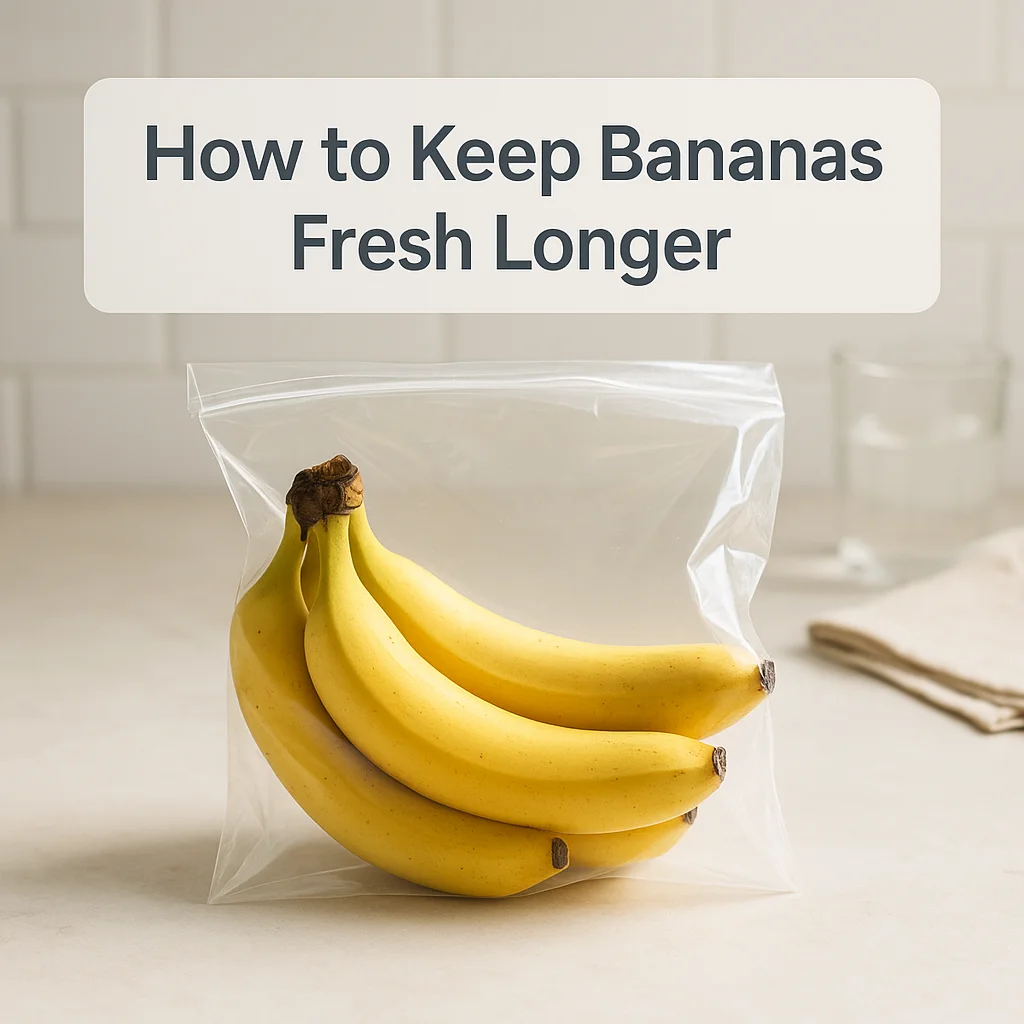
- Typically beneficial for anyone who enjoys bananas and wants to reduce fruit waste
- People with limited kitchen storage space should be cautious
- Best simple way: store bananas in a cool, dry place
- Biggest mistake: storing bananas in sealed, airtight containers
- Next step: separate bananas from the bunch to slow ripening
🧠 Why This Matters
Bananas are a popular fruit worldwide, appreciated for their natural sweetness and nutritional benefits. However, they ripen quickly, often leading to browning and spoilage before they are fully consumed. This can be especially frustrating for those who enjoy bananas in their daily diet or smoothies. Keeping bananas fresh longer not only minimizes waste but also saves money by reducing the need for frequent purchases.
🔬 What the Science Says
The ripening of bananas is accelerated by the production of ethylene gas, a natural plant hormone. Controlling exposure to ethylene can slow the ripening process. Temperature also plays a significant role; cooler temperatures tend to slow down enzymatic activity and respiration, both of which promote ripening.
There is consensus in the scientific community that separating bananas from the bunch can reduce their exposure to ethylene, thereby prolonging their freshness. While some studies suggest refrigeration can halt ripening, results can vary. Refrigeration may preserve the interior but can cause the peel to darken, which some find unappealing.
⚖️ Benefits vs Downsides
- Benefits:
- Reduces fruit waste
- Saves money on groceries
- Makes bananas available for longer periods
- Helps keep your kitchen organized with fewer overripened fruits
- Downsides:
- Requires additional storage planning
- Darkening of the peel if refrigerated
- Potential for uneven ripening when separated
- Space constraints in small kitchens
🎯 The Best Way to Apply This
- Store bananas in a cool, dry place away from direct sunlight.
- Hang bananas on a banana hanger to keep air circulating evenly around them.
- Separate bananas from the bunch to minimize ethylene exposure.
- Refrigerate bananas if they are almost fully ripened to prolong their internal freshness.
- Consider wrapping the banana stems with plastic wrap to reduce ethylene emission.
⏰ Timing, Portions, and Frequency
For optimal freshness, store bananas immediately after purchasing. Keeping them at a moderate room temperature until they start to ripen is typically recommended. If you plan to store bananas in the refrigerator, it’s most effective once they reach the desired ripeness.
Regarding portions, understanding that bananas can vary significantly in size, you might consider using metrics like "a banana per serving" for consistency in dietary plans. If unsure about timing or storage, it's often best to err on the side of fresher rather than overly ripened fruit.
🤝 Best & Worst Pairings (Food Combos)
- Pairs well with:
- Chilled yogurt for a refreshing snack
- Oatmeal to enhance breakfast texture and nutrition
- Peanut butter for a satisfying snack
- Be careful combining with:
- Aged cheeses, which may intensify flavor contrasts
- Spicy foods, which could overshadow banana's sweetness
- Citrus fruits, which may cause browning and softening
🚦Who Should Be Careful
- Individuals with latex allergy might react to bananas; consult relevant guidance if affected
- High potassium content may be a concern for people with kidney issues; consultation with a clinician is advised
- Individuals on a low-sugar diet should moderate intake
- If unsure, ask a pharmacist or clinician
🧩 Common Mistakes and Fixes
- Storing bananas in plastic bags → Opt for breathable storage like fruit bowls.
- Leaving bananas in direct sunlight → Store in a shaded area.
- Not separating bananas from the bunch → Detach bananas to slow ripening.
- Disliking dark peels from refrigeration → Peel before refrigerating.
- Placing bananas near other fruits → Store separately to limit ethylene exposure.
- Forgetting to wrap stems with plastic → Use a small piece of cling wrap to slow gas emission.
📋 Quick Checklist
- Store in a cool, dry place
- Hang bananas for even air circulation
- Separate from the bunch
- Use bananas within a few days of ripening
- Wrap stems with plastic
- Refrigerate ripe bananas if needed
- Avoid direct sunlight
- Keep away from other fruits
- Peel before refrigerating if you prefer
- Monitor ripeness regularly
- Consider a banana hanger
- Be cautious of latex allergies
- Consult a clinician if on a restricted potassium diet
📌 Summary
- To keep bananas fresh longer, manage ripening through storage techniques.
- Store in cooler environments and separate bananas from the bunch.
- Be cautious of latex allergies or kidney-related diet restrictions.
- Start by keeping bananas away from heat and wrap stems.
- Refrigeration is optional for slowing ripening but not always necessary.
- Use breathability and mild temperatures to extend shelf life.
- Avoid placing bananas near other ethylene-producing fruits.
- Address darkening of peel by pre-peeling if chilled.
- Remember that consistent checking prolongs effective consumption time.
- Taking small steps like wrapping stems can make a difference.