🥗 A Recovery Plan After a Binge (Without the Guilt Spiral)
✅ Key Takeaway
After overindulging, it's important to focus on recovery without falling into a guilt spiral. Embrace balanced nutrition, hydrate, and engage in light activity. Remember, a single binge doesn't define your health journey.
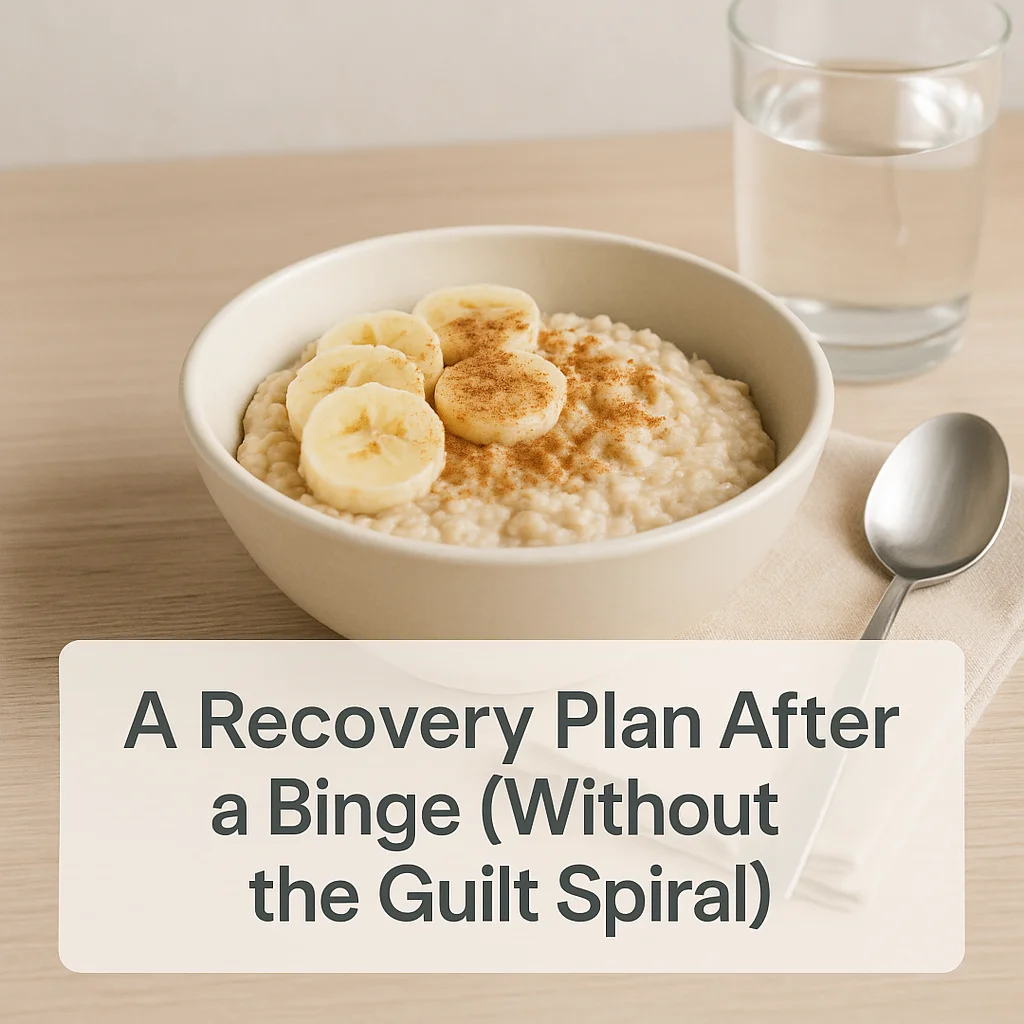
- Who it's usually good for: Individuals seeking balance after overeating.
- Who should be cautious: Those with specific medical conditions or eating disorders.
- Best simple way to do it: Gradually return to regular eating and exercise habits.
- Biggest mistake people make: Compensating with extreme dieting or exercise.
- One practical "next step": Prepare a balanced meal for your next hunger cue.
🧠 Why This Matters
Overindulging in food often leads to feelings of guilt and fear of losing progress in health goals. It can impact energy levels, digestion, and mood. Developing a recovery plan helps manage these effects and prevents long-term setbacks.
🔬 What the Science Says
After a binge, your body processes excess nutrients differently. Blood sugar levels may spike, causing insulin to work harder to stabilize them, which can lead to energy crashes. Overeating can also slow digestion, affecting how nutrients are absorbed. Hydration helps, as fluids aid digestion and support metabolism. Evidence is mixed regarding immediate compensation; many experts suggest a gradual return to routine.
⚖️ Benefits vs Downsides
- Benefits: Promotes balanced mood, supports sustainable habits, prevents extreme dieting, maintains energy levels.
- Cautions: May not suit those with medical conditions, risks under-eating later, requires mindful planning, patience needed to see results.
🎯 The Best Way to Apply This
- Hydrate well with water to aid digestion.
- Consume a balanced meal rich in fiber and protein.
- Engage in light physical activity to boost mood and energy.
- Return to normal eating patterns gradually without restriction.
- Avoid making drastic changes to diet or activity level based solely on a binge.
⏰ Timing, Portions, and Frequency
Start your post-binge recovery in the morning by rehydrating. Eat balanced meals with portion sizes fitting a small plate. Avoid a completely empty stomach; integrate snacks if feeling hungry. Let your hunger cues guide your meals, aiming for balance rather than restriction.
🤝 Best & Worst Pairings (Food Combos)
- Pairs well with: Whole grains with lean protein, leafy greens with beans, yogurt with fresh fruits.
- Be careful combining with: Excessive sugars, high-sodium processed foods, caffeine on an empty stomach.
🚦Who Should Be Careful
Individuals with metabolic disorders, those on medications affecting digestion or blood sugar, and people with a history of disordered eating should approach post-binge recovery carefully. If unsure, ask a pharmacist/clinician.
🧩 Common Mistakes and Fixes
- Mistake: Skipping meals. → Fix: Eat smaller, balanced meals regularly.
- Mistake: Intense exercise to "burn off" excess. → Fix: Opt for gentle walks or yoga.
- Mistake: Excess fluid restriction. → Fix: Drink water consistently throughout the day.
- Mistake: Rigid calorie counting post-binge. → Fix: Focus on nutritional quality instead of quantity.
- Mistake: Feeling guilty and giving up. → Fix: Accept imperfection and move forward.
- Mistake: Avoiding all social meals to avoid temptation. → Fix: Plan light, nutrient-dense social meals.
- Mistake: Only eating salads. → Fix: Include balanced macronutrients in meals.
- Mistake: Cutting hydration sources like tea. → Fix: Drink herbal teas to support hydration.
- Mistake: Not listening to hunger signals. → Fix: Eat when truly hungry, stop when satisfied.
📋 Quick Checklist
- Start the day with a glass of water.
- Have a balanced breakfast with protein and fiber.
- Practice gentle exercise like stretching or walking.
- Include vegetables in meals for fiber.
- Listen to your hunger cues.
- Avoid high-sugar or processed snacks.
- Practice mindful eating during meals.
- Maintain regular sleep routines.
- Focus on balance rather than restriction.
- Write down post-binge reflections to learn from the experience.
- Plan your meals to avoid impulsive eating.
- Stay compassionate towards yourself.
📌 Summary
- After a binge, recover without guilt by refocusing on balance.
- Hydrate and eat balanced meals with gradual activity return.
- Be cautious if you have specific health conditions; consult a clinician if unsure.
- Best method includes hydration, nutrition, and moderate activity.
- Focus on sustainable practices, avoiding extreme restrictions.
- Avoid guilt spirals by practicing self-compassion and learning from experiences.
- Gentle exercise and balanced meals help return to routine.
- Mistakes like skipping meals or over-exercising are common but easily fixable.
- Quick checklist includes key recovery steps and reminders.