🥗 Foods to Help (and Avoid) If You Get Frequent Heartburn
✅ Key Takeaway
For those who frequently experience heartburn, dietary choices can play a significant role in managing symptoms. While including certain foods might help mitigate heartburn, steering clear of others can prevent its onset or make episodes less severe.
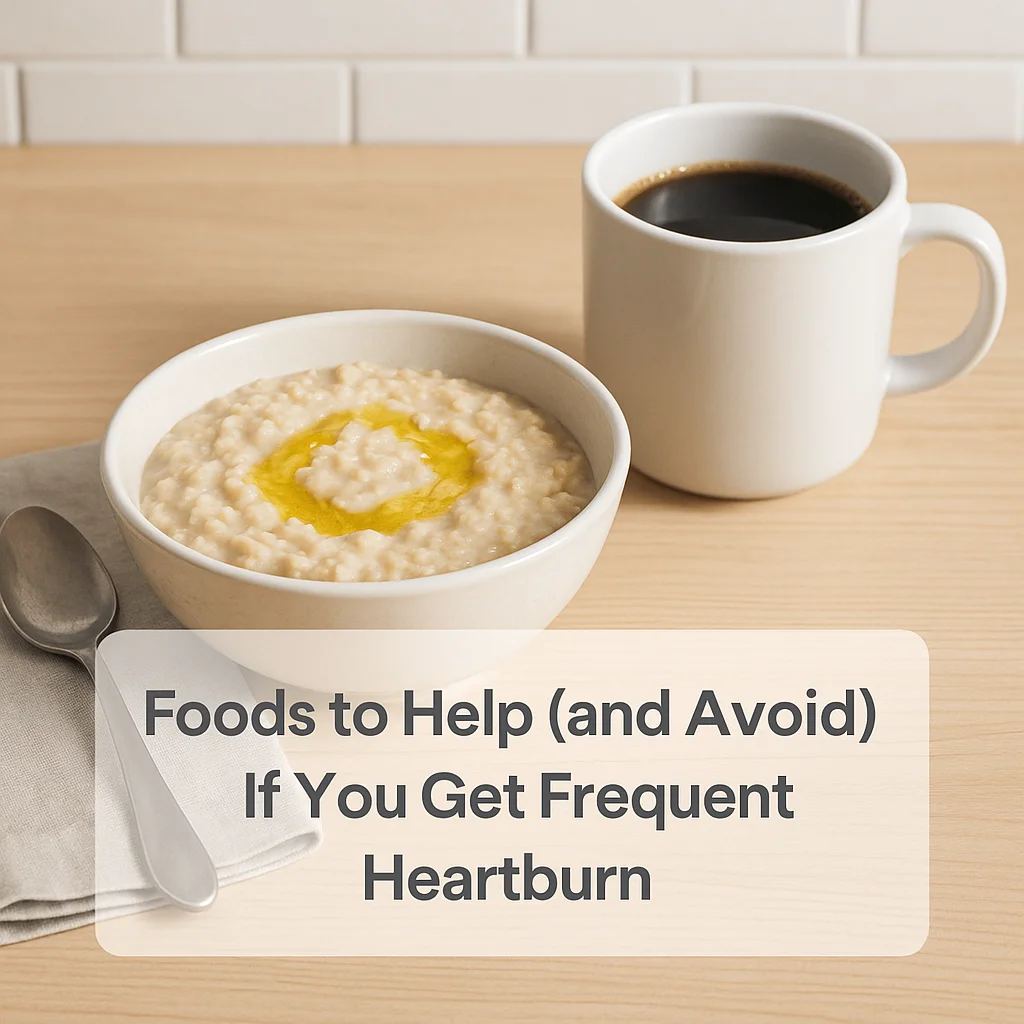
- Usually beneficial for: People with mild to moderate heartburn triggered by dietary choices
- Caution for: Those with severe or persistent heartburn, especially if unresponsive to dietary changes
- Simplest approach: Incorporate soothing foods while avoiding known triggers
- Common pitfall: Neglecting proper dietary habits and portion control
- Next step: Start identifying which foods trigger your heartburn and which relieve it
🧠 Why This Matters
Heartburn is an uncomfortable burning sensation in the chest, often associated with meals or certain activities. It is a common issue affecting many people worldwide, impacting daily life and quality of sleep. Identifying which foods trigger symptoms can help control the frequency and intensity of heartburn, providing comfort and reducing reliance on medications. Better dietary choices can translate to improved well-being and increased productivity in daily tasks.
🔬 What the Science Says
Heartburn occurs when stomach acid escapes into the esophagus, causing irritation. This can be aggravated by certain foods that relax the lower esophageal sphincter or increase acid production. Foods high in fat, caffeine, alcohol, and certain spices are common culprits. On the other hand, foods that may help neutralize stomach acidity, such as oatmeal or non-citrus fruits, can alleviate symptoms. Evidence regarding dietary management is continually evolving, and individual responses can vary, highlighting the importance of personal experimentation.
⚖️ Benefits vs Downsides
- Benefits of mindful eating:
- Potential reduction in heartburn episodes
- Increased comfort during and after meals
- Possible decrease in the need for antacids
- Enhanced digestion and overall gut health
- Downsides and cautions:
- May require trial and error to identify triggers
- Possibility of dietary boredom if too limited
- Not all foods affect everyone the same way
- Severe cases may not be resolved through diet alone
🎯 The Best Way to Apply This
- Identify your personal trigger foods by keeping a food diary
- Gradually remove common heartburn-inducing foods like spicy dishes and carbonated beverages
- Replace potential triggers with heartburn-friendly options like bananas, oatmeal, and lettuce
- Eat smaller, more frequent meals to avoid overloading your stomach
- Maintain an upright posture for at least 30 minutes after eating to help digestion
⏰ Timing, Portions, and Frequency
Consider eating smaller meals more frequently throughout the day, which can prevent excessive stomach distension and acid production. Avoid large meals before bedtime, aiming to finish dinner at least two to three hours before lying down. During meals, focus on eating slowly and chewing thoroughly, which aids in digestion and reduces the likelihood of overeating. Portions should be manageable; for instance, a single serving size might equal a palm-sized portion of protein or a small bowl of grains.
🤝 Best & Worst Pairings (Food Combos)
Pairs well with:
- Oatmeal and almond milk, due to their soothing properties
- Ginger tea with honey, offering relief and calming effects
- Grilled chicken and steamed vegetables, low in fat and easy to digest
Be careful combining with:
- Coffee with cream, as both caffeine and cream can trigger symptoms
- Tomato sauce pasta, which is acidic and may irritate the esophagus
- Chocolate and peppermint, both known to relax the sphincter muscle
🚦Who Should Be Careful
Certain groups should exercise caution when modifying their diets to manage heartburn. Those with chronic GERD, or gastroesophageal reflux disease, should consult healthcare professionals for tailored advice as diet alone may be insufficient. Pregnant individuals may experience heartburn due to hormonal changes, and their dietary adjustments should consider nutritional needs for both mother and child. If medications are involved, interactions may occur; consulting a pharmacist or clinician is recommended if unsure.
🧩 Common Mistakes and Fixes
- Mistake: Eating too quickly → Fix: Slow down and savor your food
- Mistake: Skipping meals then overeating → Fix: Eat moderate meals regularly
- Mistake: Consuming trigger foods late at night → Fix: Avoid eating close to bedtime
- Mistake: Ignoring food diaries → Fix: Maintain a detailed log to track patterns
- Mistake: Over-relying on antacids → Fix: Focus on preventive dietary changes
- Mistake: Drinking large quantities of water with meals → Fix: Sip water throughout the day instead
📋 Quick Checklist
- Keep a food diary to track triggers
- Identify and avoid common triggers like spicy foods and caffeine
- Incorporate heartburn-friendly foods like bananas and leafy greens
- Choose small, frequent meals over large ones
- Avoid lying down immediately after eating
- Be mindful of portion sizes; opt for moderate servings
- Stay hydrated, but avoid large quantities with meals
- Aim for variety within safe food categories to avoid monotony
- Consult a healthcare provider if heartburn persists
- Adjust habits as necessary based on personal experiences
📌 Summary
- Tailor your diet to include and avoid specific foods to manage heartburn
- Maintain a food diary for personalized trigger identification
- Choose smaller, more frequent meals to mitigate episodes
- Be cautious with common triggers, like caffeine and spicy foods
- Engage in upright activities post-meal to assist digestion
- Consider ginger or herbal teas as soothing drink options
- Consult with a healthcare provider for persistent symptoms
- Implement changes gradually and be patient with the process