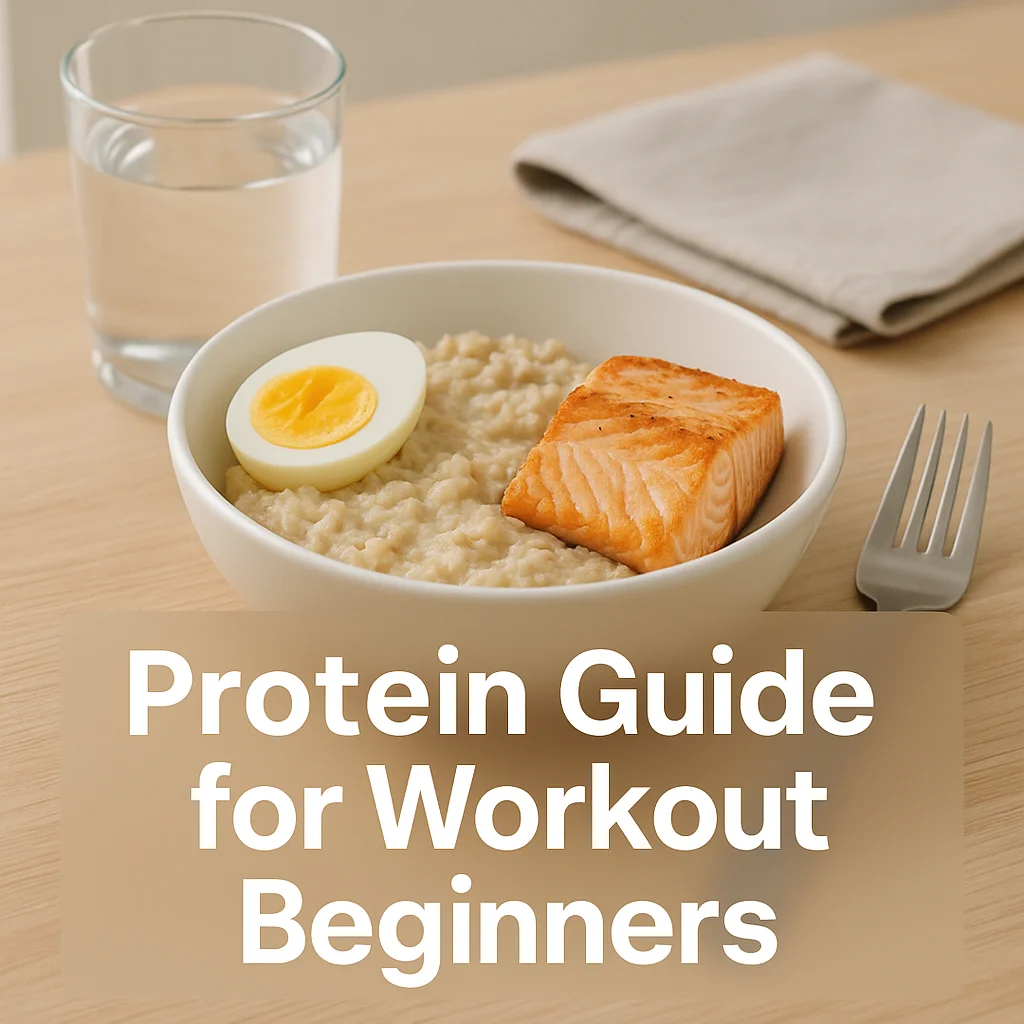
🥗 Protein Guide for Workout Beginners
✅ Key Takeaway
In most cases, incorporating more protein into your diet can support muscle growth and recovery for workout beginners. However, it should be balanced with other nutrients for optimal health and performance.
- Who it’s usually good for: Those starting a new workout routine or looking to build muscle.
- Who should be cautious: Individuals with kidney issues should seek advice from a healthcare provider.
- Best simple way to do it: Add a lean source of protein to every meal.
- Biggest mistake people make: Over-relying on protein shakes instead of whole foods.
- One practical “next step”: Plan your meals to include a mix of protein sources.
🧠 Why This Matters
For workout beginners, the right amount of protein can enhance muscle repair and growth, reduce muscle loss during weight loss, and boost overall workout performance. It is an essential nutrient that helps build and repair muscle tissues, enabling you to keep progressing in your fitness journey.
🔬 What the Science Says
Protein is broken down into amino acids, which are used by the body to build and repair muscle tissues. It aids in the repair of exercise-induced damage and promotes new tissue growth. While some studies emphasize high-protein diets for athletes, evidence suggests that a balanced approach is best, as excessive protein doesn’t necessarily equate to better results for everyone.
⚖️ Benefits vs Downsides
- Benefits:
- Supports muscle growth and repair.
- Helps manage hunger by promoting satiety.
- Can boost metabolism briefly after meals.
- May aid weight management when balanced with other macros.
- Cautions:
- Too much protein can lead to weight gain if calorie intake is not managed.
- May put extra strain on kidneys if underlying conditions are present.
- Over-reliance on protein supplements can lead to nutrient imbalances.
- Low fiber intake if protein replaces other essential nutrients.
🎯 The Best Way to Apply This
- Identify your protein needs based on your activity level.
- Choose a variety of protein sources: lean meats, poultry, fish, dairy, legumes, and nuts.
- Incorporate protein into every meal and snack.
- Balance your plate: pair proteins with veggies and whole grains.
- Listen to your body and adjust as needed.
⏰ Timing, Portions, and Frequency
Aim to include a source of protein with every meal to aid muscle repair throughout the day. Morning protein can provide sustained energy, while evening protein may support overnight recovery. A portion is typically about the size of your palm, adjusting for your specific needs and goals.
🤝 Best & Worst Pairings (Food Combos)
- Pairs well with:
- Whole grains like quinoa or brown rice
- Leafy greens such as spinach or kale
- Healthy fats like avocado or nuts
- Be careful combining with:
- High sugar foods that can spike blood sugar
- Excessive saturated fats
- Processed foods high in sodium
🚦Who Should Be Careful
- Individuals with kidney issues or who are on a protein-restricted diet
- Those with medical conditions affecting protein absorption
- People taking medications that interact with protein metabolism
- If unsure, ask a pharmacist/clinician.
🧩 Common Mistakes and Fixes
- Mistake: Over-relying on protein shakes → Fix: Prioritize whole food sources.
- Mistake: Neglecting variety → Fix: Include diverse protein types in meals.
- Mistake: Ignoring portion control → Fix: Use simple physical cues like “a palm”.
- Mistake: Skipping meals → Fix: Plan meals/snacks ahead of time.
- Mistake: Neglecting hydration → Fix: Drink water with protein intake.
- Mistake: Too much focus on protein alone → Fix: Balance with carbs and fats.
- Mistake: Ignoring fiber → Fix: Combine protein with vegetables and whole grains.
- Mistake: Not adjusting for cravings → Fix: Incorporate satiating fats along with protein.
- Mistake: Not listening to body signals → Fix: Adjust protein intake based on performance and comfort.
- Mistake: Following extreme diets → Fix: Opt for a balanced diet enriched with variety.
📋 Quick Checklist
- Add a protein source to each meal.
- Focus on whole food protein options.
- Include a mix of plant and animal proteins.
- Balance protein with carbs and fats.
- Listen to hunger cues and adjust intake accordingly.
- Stay hydrated throughout the day.
- Plan meals to prevent skipping.
- Monitor portion sizes naturally: use your hand as a guide.
- Avoid excessive reliance on supplements.
- Look for lean protein sources where possible.
- Incorporate proteins that are culturally and personally available.
- Adjust intake based on personal health conditions and advice.
- Combine protein with fiber-rich foods for satiety.
📌 Summary
- The direct answer: yes, adding protein is generally beneficial.
- Best method: incorporate diverse protein sources into each meal.
- Key cautions: balance with other nutrients; consult if pre-existing health issues are present.
- Easiest habit to start today: begin adding a lean protein portion to your next meal.
- Protein supports muscle growth, energy levels, and recovery.
- Whole foods are preferred over supplements for nutritional balance.
- Hydrate and listen to your body's cues.
- Portion control is crucial—use simple visual guides.
- Don’t over-rely on a single protein source or extreme diets.
- Exercise consideration when combining with processed or high-sugar foods.