🥗 Recovery Meals for Frequent Diarrhea
✅ Key Takeaway
When dealing with frequent diarrhea, recovery meals should focus on replenishing fluids, electrolytes, and easily digestible nutrients. Nutritional strategies can play a pivotal role in easing symptoms and promoting recovery by providing a gentle touch to your digestive system.
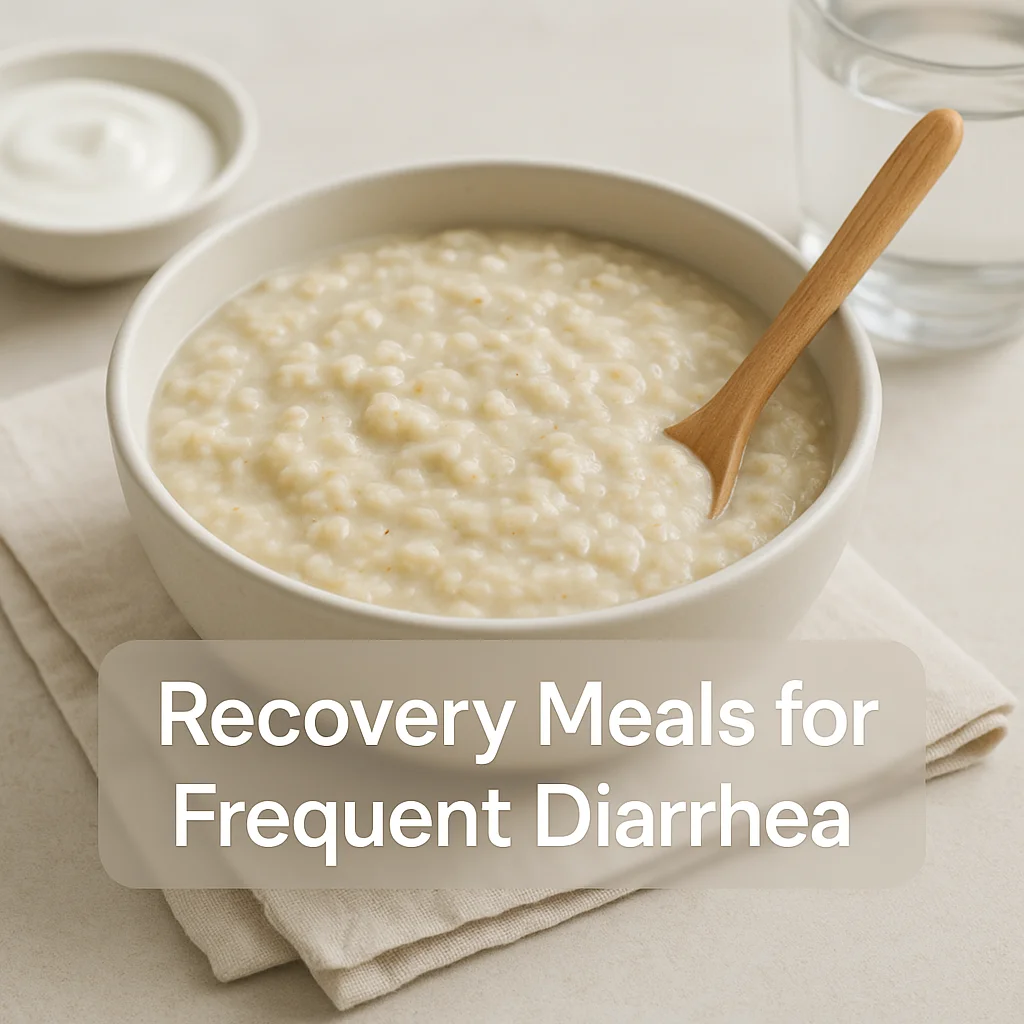
- Good for: those experiencing digestive distress.
- Cautious: individuals with underlying conditions seeking personal medical advice.
- Best approach: consume small, nutrient-rich, low-fat meals.
- Common mistake: rushing to eat heavy or fatty foods too soon.
- Next step: start with bland foods and hydrate effectively.
🧠 Why This Matters
Frequent diarrhea can be discomforting and debilitating, leading to dehydration and nutrient loss, affecting daily life. It’s essential to focus on meals that can help rehydrate, replenish lost nutrients, and give your digestive system a break, which impacts energy, overall well-being, and recovery speed.
🔬 What the Science Says
Diarrhea often leads to loss of fluids and electrolytes, making hydration a primary focus. Recovery meals benefit from being easily digestible, low in fat and fiber, and rich in potassium and sodium. Evidence suggests that the BRAT diet—bananas, rice, applesauce, and toast—can be effective, though it should not be relied upon long-term due to its nutritional limitations. Adequate intake of fluids and foods that support gut balance and nutrient absorption is paramount.
⚖️ Benefits vs Downsides
- Benefits:
- Hydration support through fluid intake.
- Replenishes lost electrolytes (sodium, potassium).
- Easy on the gut with simple carbohydrates.
- Aids in rebalancing digestion gently.
- Downsides/Cautions:
- Too restrictive for a long period.
- Prolonged use lacks sufficient nutritional variety.
- Potential for misinterpreting foods that aggravate symptoms.
- Supplements should be approached cautiously and under guidance.
🎯 The Best Way to Apply This
- Start with clear broths or rehydration solutions.
- Slowly introduce easily digestible solids like toast and rice.
- Incorporate foods high in potassium, such as bananas and potatoes.
- Add small amounts of protein, like boiled chicken or tofu.
- Reintroduce more varied foods carefully as you feel better.
⏰ Timing, Portions, and Frequency
Pacing is important for recovery meals. Aim to eat small meals every few hours rather than large meals to avoid overwhelming the digestive system. Incorporate nutrient-rich liquids alongside solids, and focus on meals that are easy to digest at any point during the day. Monitor portion size by visual cues like “a handful of rice” or “a small bowl of soup”. Supplements should be added with care and guidance from product labels and professional advice.
🤝 Best & Worst Pairings (Food Combos)
Pairs well with:
- Toast with banana slices.
- Rice with boiled chicken.
- Mashed potatoes with boiled carrots.
Be careful combining with:
- Fatty foods with any recovery meal.
- Dairy for lactose intolerant individuals.
- Coffee or high-caffeine drinks.
🚦Who Should Be Careful
- Individuals with food intolerances (e.g., gluten, lactose) should select alternatives.
- Those with specific medical conditions (like kidney disease) should seek personalized advice.
- Children and older adults are more vulnerable; consider special dietary needs.
- If unsure, ask a pharmacist/clinician.
🧩 Common Mistakes and Fixes
- Rushing to eat heavy foods → Start with simple, bland foods.
- Neglecting hydration → Incorporate consistent fluid intake.
- Ignoring portion management → Remember small, frequent meals.
- Assuming all carbs are equal → Focus on easily digestible ones.
- Skipping electrolytes → Include potassium-rich foods.
- Forgetting protein → Add low-fat, easy-to-digest proteins.
- Overconsumption of fiber → Limit high-fiber foods initially.
- Introducing spice too soon → Stick to mild seasonings.
- Underestimating the importance of rest → Prioritize digestive rest.
📋 Quick Checklist
- Hydrate with clear fluids and oral solutions.
- Include small amounts of easily digestible starches.
- Add bananas for potassium.
- Limit fats and dairy initially.
- Reintroduce proteins slowly (e.g., boiled chicken).
- Avoid caffeine and high-fat foods.
- Focus on nutrient balance gradually.
- Rest and allow your body time to recover.
- Monitor symptoms and adjust accordingly.
- If in doubt about food choices, consult a healthcare professional.
- Avoid large meals; opt for small, steady intake.
- Watch for triggers that exacerbate symptoms.
- Gradually diversify diet as symptoms improve.
📌 Summary
- Focus on hydration and easy-to-digest foods.
- Start with bland meals; introduce variety gradually.
- Prioritize small portions frequently.
- Monitor food choices and symptoms.
- Hydrate continually for electrolyte balance.
- Identify and avoid symptom triggers.
- Start protein reintroduction modestly.
- If symptoms persist, consult a healthcare provider.