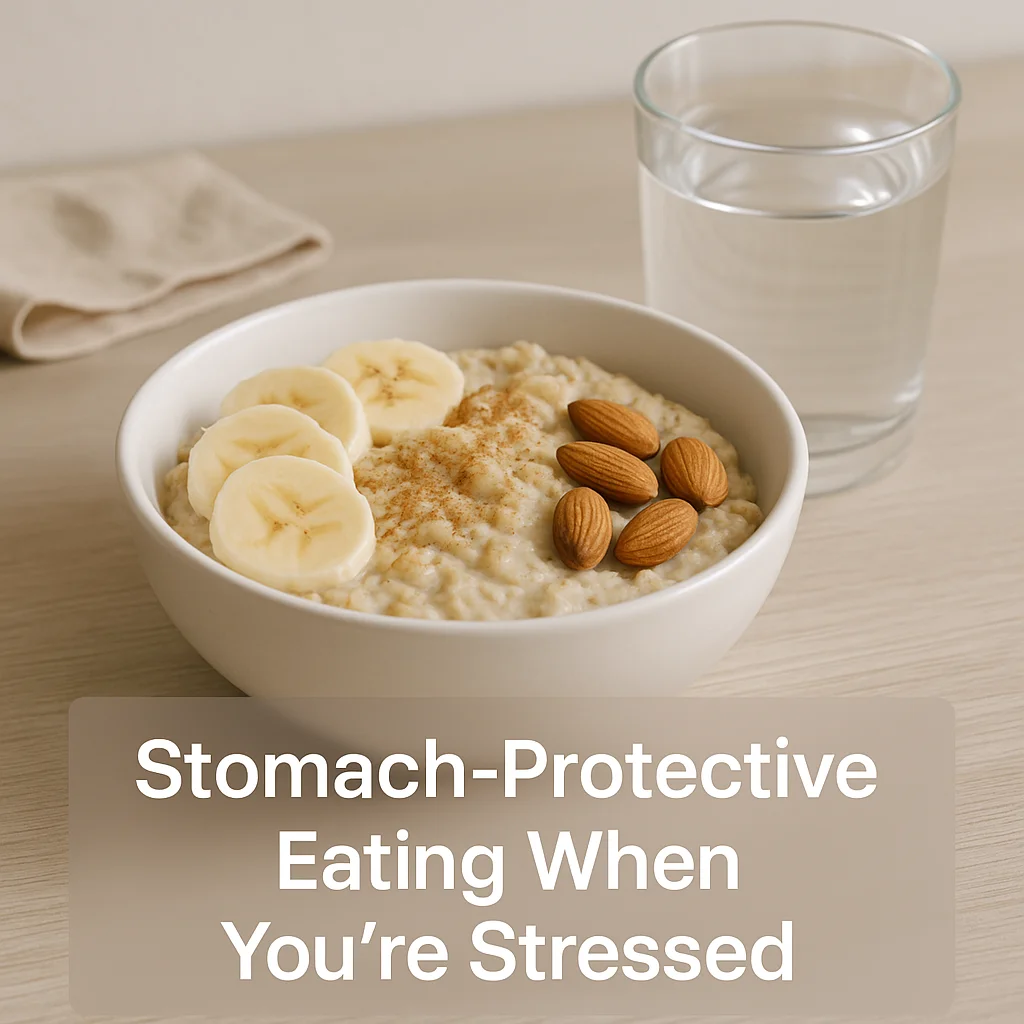
🥗 Stomach-Protective Eating When You’re Stressed
✅ Key Takeaway
Stomach-protective eating when stressed is about choosing foods that support digestion and reduce discomfort. This can often be achieved by selecting lighter, more easily digestible meals that are lower in fat and spice.
- Good for: Individuals who experience digestive discomfort when stressed.
- Be cautious if: You have specific dietary restrictions or medical conditions affecting digestion.
- Best simple way: Opt for whole, unprocessed foods and eat smaller portions.
- Biggest mistake: Eating heavy, greasy meals that can lead to bloating and discomfort.
- Next step: Start by incorporating more fiber-rich foods to aid digestion.
🧠 Why This Matters
Stress can significantly impact our digestive system, often leading to symptoms like bloating, gas, or even heartburn. During stressful times, the body's response may slow down digestion or alter its efficiency, making meal choices essential in managing digestive comfort. This makes stomach-protective eating a practical tool for maintaining overall well-being, especially during challenging periods.
🔬 What the Science Says
Under stress, the body enters a "fight or flight" mode, diverting energy away from the digestive tract. This can lead to slower digestion and increased sensitivity to certain foods. Consuming lighter meals with balanced macronutrients, and focusing on fiber intake can support smooth digestion and mitigate stress-related discomfort. While evidence on specific foods might vary, focusing on general dietary patterns is a widely supported strategy.
⚖️ Benefits vs Downsides
- Benefits:
- May improve digestive comfort by reducing bloating and gas.
- Can enhance nutrient absorption through better digestion.
- Helps maintain balanced energy levels throughout the day.
- Might support mental well-being by reducing physical discomfort.
- Downsides/Cautions:
- May require more preparation time when selecting specific foods.
- Not all stress-related digestion issues can be resolved with diet alone.
- Over-focusing on certain foods might lead to nutrient imbalances.
- Potential mismatch with others’ dietary restrictions or preferences.
🎯 The Best Way to Apply This
- Select foods that are known to be gentle on the stomach, such as bananas, rice, applesauce, and toast.
- Eat smaller, more frequent meals to aid digestion and prevent overloading the digestive system.
- Include fermented foods like yogurt or kefir, which can support gut health through probiotics.
- Stay hydrated with water or herbal teas, which can soothe the digestive tract.
- Avoid foods that are hard to digest during stress, such as fatty cuts of meat or spicy dishes.
⏰ Timing, Portions, and Frequency
Consider having your meals at times when your stomach is most settled, often after a brief period of rest post-stressful events. Aim for portions that fit comfortably in a small bowl, and spread your meals evenly throughout the day. For those who drink coffee or alcohol, it's wise to moderate their consumption, especially when stressed, to avoid increasing stomach acid.
🤝 Best & Worst Pairings (Food Combos)
- Pairs well with:
- Oatmeal with berries and sliced bananas.
- Grilled vegetables with quinoa and herbs.
- Toast with almond butter and slices of apples.
- Be careful combining with:
- Carbonated drinks and greasy foods, which may increase bloating.
- Coffee on an empty stomach, which might irritate the digestive tract.
- High-fat desserts like pastries, which can be hard to digest.
🚦Who Should Be Careful
- People with gastrointestinal diseases like IBS should consult with a healthcare provider.
- Individuals on specific medication regimes where food interactions are possible should be cautious.
- If unsure of the best dietary changes, ask a pharmacist or clinician for advice.
🧩 Common Mistakes and Fixes
- Mistake: Skipping meals due to stress. → Fix: Plan small, regular meals to ensure nutritional needs are met.
- Mistake: Eating too quickly. → Fix: Practice mindful eating by taking slower bites and savoring your food.
- Mistake: Consuming excessive caffeine. → Fix: Limit coffee to a single cup morning, and avoid it in the afternoon.
- Mistake: Over-relying on convenience foods. → Fix: Prepare simple meals at home where you control the ingredients.
- Mistake: Forgetting fiber. → Fix: Include whole grains, fruits, and vegetables in your diet.
- Mistake: Eating large meals late at night. → Fix: Have a light dinner and refrain from late-night snacking.
📋 Quick Checklist
- Choose easily digestible foods.
- Cut down on spicy and fatty foods.
- Incorporate fiber from a variety of sources.
- Stay hydrated with water and herbal teas.
- Avoid large, heavy meals late in the day.
- Practice mindful eating and enjoy food slowly.
- Plan and prep meals to avoid stress eating.
- Listen to your body’s hunger and fullness cues.
- Consider adding probiotics to your diet.
- Focus on balanced macronutrient intake.
- Limit caffeine and alcohol consumption.
- Schedule meals around breaks and periods of rest.
- Keep healthy snacks like nuts and fruits handy.
📌 Summary
- Easily digestible meals can help manage stress-related stomach issues.
- Focus on smaller, frequent meals with balanced fiber.
- Avoid overloading your stomach with fats and spices.
- Start by swapping one daily snack for a fiber-rich option.
- Mindful eating can reduce stress-related digestive discomfort.
- Probiotics may support gut health but should be consumed thoughtfully.
- Practice portion awareness using simple visual cues.
- If you experience persistent discomfort, consult a healthcare provider.
- Adapt meals to your body’s and lifestyle needs.
- Planning meals ahead can alleviate stress eating.