🥗 Why Protein Becomes More Important With Age
✅ Key Takeaway
As we age, protein becomes increasingly crucial to maintain muscle mass, support everyday function, and promote overall health. Ensuring adequate protein intake can combat age-related muscle loss and improve quality of life.
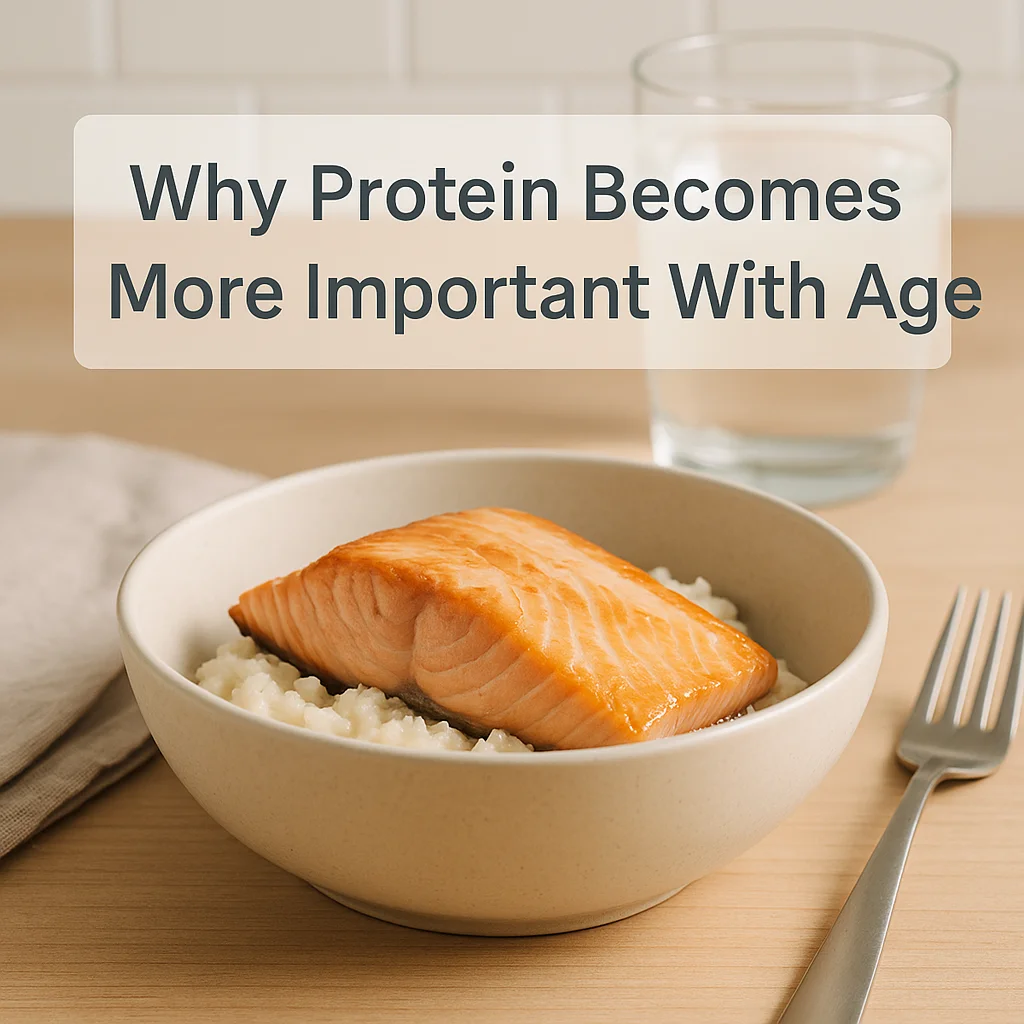
- Good for: Older adults, people with reduced appetite, and those looking to maintain muscle mass.
- Be cautious: Those with kidney issues or on certain medications; consult a healthcare professional.
- Simple way: Incorporating lean protein sources in every meal.
- Mistake: Relying solely on supplements instead of a balanced diet.
- Next step: Evaluate your daily protein intake and gradually increase it if needed.
🧠 Why This Matters
With age, muscle loss (sarcopenia) becomes a significant concern. This can reduce physical strength, increase fall risk, and affect independence. Globally, maintaining an active lifestyle with adequate protein intake can mitigate these issues, supporting a healthier, more vibrant aging process.
🔬 What the Science Says
Protein is crucial because it provides essential amino acids required for muscle maintenance and repair. As we age, our bodies become less efficient at synthesizing protein, necessitating a higher intake to achieve the same effects. While evidence suggests older adults benefit from higher protein intake, individual needs can vary based on factors like activity level and overall health.
⚖️ Benefits vs Downsides
- Benefits:
- Helps maintain muscle mass and strength.
- Supports metabolic health and energy levels.
- May improve bone health.
- Enhances recovery post-injury or surgery.
- Contributes to healthy weight management.
- Downsides:
- Potential strain on kidneys if intake is too high.
- May cause digestive issues for some individuals.
- Possibility of nutrient imbalance if protein crowds out other nutrients.
- High protein diets can be expensive.
- Assess your current protein intake and compare it to recommended levels for your age group.
- Incorporate various protein sources like beans, fish, lean meats, and dairy into meals.
- Consider small, frequent meals with a focus on protein.
- Stay hydrated; protein intake requires fluids for proper digestion and metabolism.
- Listen to your body and adjust as necessary, consulting with a specialist if needed.
- Pairs well with:
- Colorful vegetables for additional nutrients.
- Whole grains for a complete amino acid profile.
- Healthy fats like avocados to aid absorption.
- Be careful combining with:
- High-sodium foods that may lead to imbalance.
- High sugar items that can counteract benefits.
- Excess saturated fats which impact heart health.
- Mistake: Over-reliance on supplements → Fix: Prioritize whole foods for a balanced diet.
- Mistake: Skipping meals → Fix: Plan meals in advance to ensure consistent intake.
- Mistake: Ignoring plant-based proteins → Fix: Incorporate beans, legumes, and nuts.
- Mistake: Not hydrating enough → Fix: Drink water with each meal and throughout the day.
- Mistake: Inadequate meal portions → Fix: Use simple cues like “palm-sized” to guide portions.
- Mistake: Eating too late at night → Fix: Aim for a balanced diet distributed through the day.
- Assess your current protein intake.
- Incorporate a variety of protein sources.
- Focus on smaller, frequent meals.
- Stay hydrated.
- Favor whole foods over supplements.
- Distribute protein intake across meals.
- Combine with vegetables and whole grains.
- Monitor protein-related digestive comfort.
- Consult with a healthcare specialist if in doubt.
- Adjust portions based on physical activity levels.
- Direct Answer: Protein becomes crucial with age for muscle maintenance and energy.
- Best method: Integrate diverse protein sources into daily meals.
- Key caution: Those with kidney complications should consult a healthcare provider.
- Easiest start: Identify current protein consumption and make gradual dietary adjustments.
- Support healthy weight and muscle mass.
- Mistakes: Avoid over-reliance on protein supplements.
- Timing: Distribute protein evenly across meals.
- Pair with: Vegetables, whole grains, healthy fats.
- Portion guide: Aim for palm-sized serving each meal.
- Hydration is critical for digestion and metabolism.
🎯 The Best Way to Apply This
⏰ Timing, Portions, and Frequency
Aim to distribute protein intake throughout the day to enhance absorption—consider a palm-sized portion with each meal. Timing can vary; however, consuming protein-rich foods within an hour post-exercise is often beneficial for muscle recovery.
🤝 Best & Worst Pairings (Food Combos)
🚦Who Should Be Careful
Individuals with pre-existing kidney conditions, those on dialysis, or with specific dietary restrictions should monitor protein intake carefully. Anyone unsure should ask a pharmacist or clinician.