🥗 Winter Immune Routine (Food + Sleep)
✅ Key Takeaway
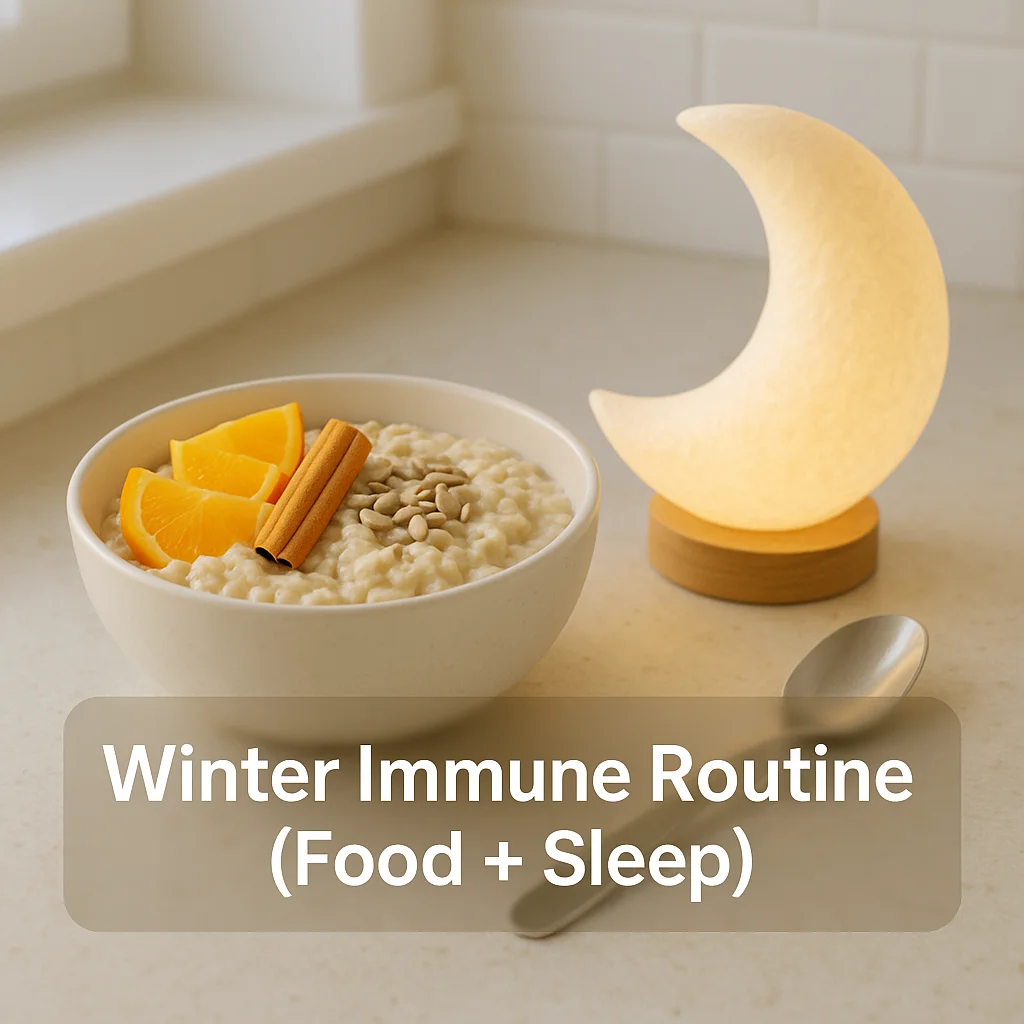
For strengthening your immune defenses this winter, a balanced routine of nutritious foods and sufficient sleep is particularly beneficial. This approach can support overall health and potentially boost your body's resilience against seasonal challenges.
- Usually good for: Most adults looking to support their immune health naturally.
- Be cautious: Those with specific dietary restrictions or chronic health issues.
- Best simple way to do it: Include a variety of whole foods and establish a regular sleep schedule.
- Biggest mistake people make: Ignoring sleep quality and relying solely on diet.
- Practical next step: Start by adding one immune-boosting food to your meals today.
🧠 Why This Matters
As winter descends, our immune systems may face increased stress due to colder temperatures and less sunlight. Such conditions can lead to common colds and flus if our defenses are not adequately supported. Nutrition and sleep play pivotal roles in maintaining a well-functioning immune system, helping to combat these seasonal effects.
🔬 What the Science Says
The immune system relies on a complex network of cells and nutrients that work in unison to fend off pathogens. Foods rich in vitamins C and D, antioxidants, and proteins can support immune cell activity. Sleep is essential as it enhances the release of cytokines, proteins that help fight infection. However, individual needs may vary, and balance is key.
⚖️ Benefits vs Downsides
- Benefits: Nutrient-rich foods can enhance immune cell function, sleep improves immune regulation, reduced inflammation risk, better overall energy levels.
- Downsides/Caution: Over-reliance on supplements, potential allergies, chronic sleep deprivation risks, individual dietary limitations, need for consistency.
🎯 The Best Way to Apply This
- Eat a variety of colorful fruits and vegetables daily.
- Incorporate lean proteins such as fish, poultry, and plant-based options.
- Limit processed foods and sugars.
- Aim for 7-9 hours of quality sleep each night.
- Create consistent bed and wake times.
⏰ Timing, Portions, and Frequency
Starting the day with a balanced breakfast can set a positive tone for nutrition. Spread meals evenly throughout the day. For sleep, try winding down an hour before bed with relaxing activities. Listen to your body for portion sizes, focusing on satisfaction rather than fullness.
🤝 Best & Worst Pairings (Food Combos)
- Pairs well with: Citrus fruits with leafy greens, nuts with berries, yogurt with whole grains.
- Be careful combining with: High-sugar foods that may disrupt sleep, excessive caffeine close to bedtime, spicy foods if prone to reflux.
🚦Who Should Be Careful
Individuals with allergies, those on immunosuppressive medications, or people with chronic health conditions should be cautious. If unsure, ask a pharmacist/clinician.
🧩 Common Mistakes and Fixes
- Skipping meals → Plan small, nutritious snacks.
- Inconsistent sleep schedule → Set a regular sleep time, even on weekends.
- Overdependence on supplements → Focus on whole foods first.
- Ignoring hydration → Drink water consistently throughout the day.
- Too much caffeine → Limit intake to early in the day.
- Relying on processed foods → Prioritize fresh, whole ingredients.
- Neglecting sleep quality → Create a sleep-friendly environment.
- Ignoring stress management → Integrate relaxation techniques into your routine.
- Eating heavy meals late → Opt for a light evening meal.
📋 Quick Checklist
- Add colorful vegetables to every meal.
- Include lean protein daily.
- Avoid excess sugar and refined carbs.
- Aim for 7-9 hours of sleep each night.
- Establish a regular sleep schedule.
- Hydrate consistently throughout the day.
- Limit caffeine after noon.
- Use herbs and spices for flavor instead of salt.
- Keep bedroom cool and dark for better sleep.
- Manage stress with mindfulness or yoga.
- Limit screen time before bed.
📌 Summary
- The key to a winter immune routine is a balance of nutritious foods and quality sleep.
- Incorporate a variety of fruits, vegetables, and lean proteins into your diet.
- Be cautious with supplements and potential food allergies.
- Keep a consistent sleep schedule to enhance immune function.
- Avoid processed foods high in sugar and salt.
- Make hydration a daily priority.
- Manage stress to support both sleep and nutritional efforts.
- Implementing these habits can better arm your body against winter health challenges.