🥗 Foods That Are Easier to Eat at Night
✅ Key Takeaway
Eating at night can be challenging for digestion and sleep. Foods that are lighter, easier to digest, and won't disrupt sleep tend to work best. These foods include whole grains, certain fruits, vegetables, and lean proteins.
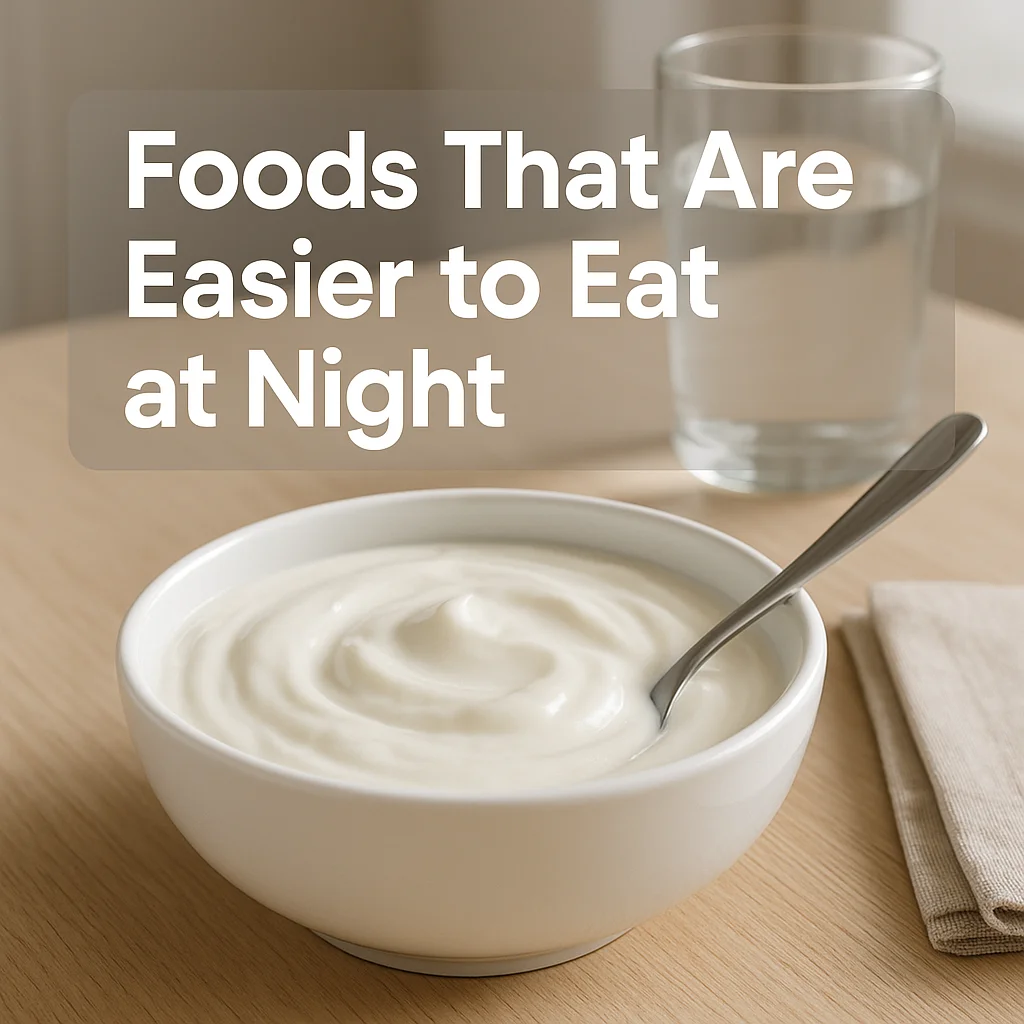
- Who it's usually good for: Those looking for a late-night snack without disturbing their sleep.
- Who should be cautious: Individuals with digestive issues like reflux or those sensitive to specific ingredients.
- Best simple way to do it: Opt for small portions that are easy on the stomach.
- Biggest mistake people make: Eating too heavily or consuming caffeine before bed.
- One practical “next step”: Prepare a list of preferred light snacks for the evening.
🧠 Why This Matters
Many people struggle with late-night cravings or the need to eat due to a busy lifestyle. Eating at night can impact digestion, sleep quality, and overall health. Choosing the right foods can help manage hunger without disrupting sleep patterns, which is crucial for optimal daytime function. This is a global concern as lifestyles and work hours vary widely across different cultures.
🔬 What the Science Says
Nutritional science suggests that lighter, lower-fat foods can be more easily digested at night. Heavy meals or foods high in sugar can lead to spikes in blood sugar, which may cause wakefulness or disrupt sleep. Foods like complex carbohydrates are beneficial as they can increase serotonin levels, promoting better sleep. However, individual responses vary, and some people might find other combinations work better for them.
⚖️ Benefits vs Downsides
- Benefits:
- Improved sleep quality when avoiding heavy meals.
- Reduced risk of heartburn and acid reflux.
- Better digestion with lighter, balanced snacks.
- Maintains stable blood sugar levels.
- Downsides/Cautions:
- Potential risk of over-snacking if not mindful.
- Possible nutrient deficiencies if meals are too light consistently.
- Individual variability in reaction to different foods.
- Might not be filling enough for some, leading to later hunger.
🎯 The Best Way to Apply This
- Choose snacks high in fiber and protein, like a small bowl of oatmeal or a handful of nuts.
- Avoid heavy, greasy foods and large portions late at night.
- Include calming ingredients, such as chamomile or peppermint tea to relax your system.
- Plan your meals so you're less hungry before bed, prioritizing balance throughout the day.
- Consider keeping unhealthy temptations out of the kitchen at night.
⏰ Timing, Portions, and Frequency
Aim to finish eating at least 1-2 hours before going to bed. This allows your body to digest properly before sleep. Small, manageable portions are key; think a piece of fruit, a small bowl of cereal, or yogurt. Frequency should be kept in check to avoid turning a snack into a meal replacement.
🤝 Best & Worst Pairings (Food Combos)
Pairs well with:
- Whole grain crackers with hummus.
- Greek yogurt with berries.
- Almonds and a small piece of dark chocolate.
- Oatmeal with a sprinkle of cinnamon.
- High sugar items like candy or soda.
- Caffeinated drinks, including chocolate.
- Spicy foods that may trigger acid reflux.
- Fatty or fried foods that are difficult to digest.
Be careful combining with:
🚦Who Should Be Careful
- Individuals with GERD or acid reflux should avoid specific trigger foods.
- People sensitive to caffeine should steer clear of coffee or chocolate at night.
- Those with dietary restrictions should ensure their snacks align with their needs.
- If unsure, ask a pharmacist/clinician.
🧩 Common Mistakes and Fixes
- Eating too close to bedtime → Finish eating at least 1-2 hours before sleep.
- Opting for high sugar snacks → Choose a fruit or whole grain option instead.
- Ignoring portion sizes → Keep portions small to avoid overconsumption.
- Skipping your snack altogether → Plan a small, balanced snack if truly hungry.
- Eating out of boredom → Engage in a relaxing activity instead.
- Not planning ahead → Have healthy options readily available to prevent unhealthy choices.
📋 Quick Checklist
- Finish eating 1-2 hours before bed.
- Choose fiber-rich and protein snacks.
- Avoid caffeine and high sugar options.
- Watch your portion sizes.
- Keep healthy snacks on hand.
- Adjust choices based on personal digestion responses.
- Practice mindfulness in eating to avoid over-snacking.
- If you have dietary concerns, consult with a professional.
- Stay hydrated, drink water but avoid excess liquids near bedtime.
- Relax with a herbal tea, if desired.
📌 Summary
- Focus on light, easy-to-digest foods at night.
- Maintain small portions and avoid high-sugar, caffeine-rich foods late at night.
- Be mindful of personal dietary needs and plan ahead for healthier choices.
- Watch out for triggers like fatty and spicy foods.
- Encourage better sleep with balanced food choices in the evening.
- Consider the timing and portion of your snacks carefully.
- Food combinations should complement better digestion and sleep.
- If unsure about food choices, seeking professional guidance is beneficial.