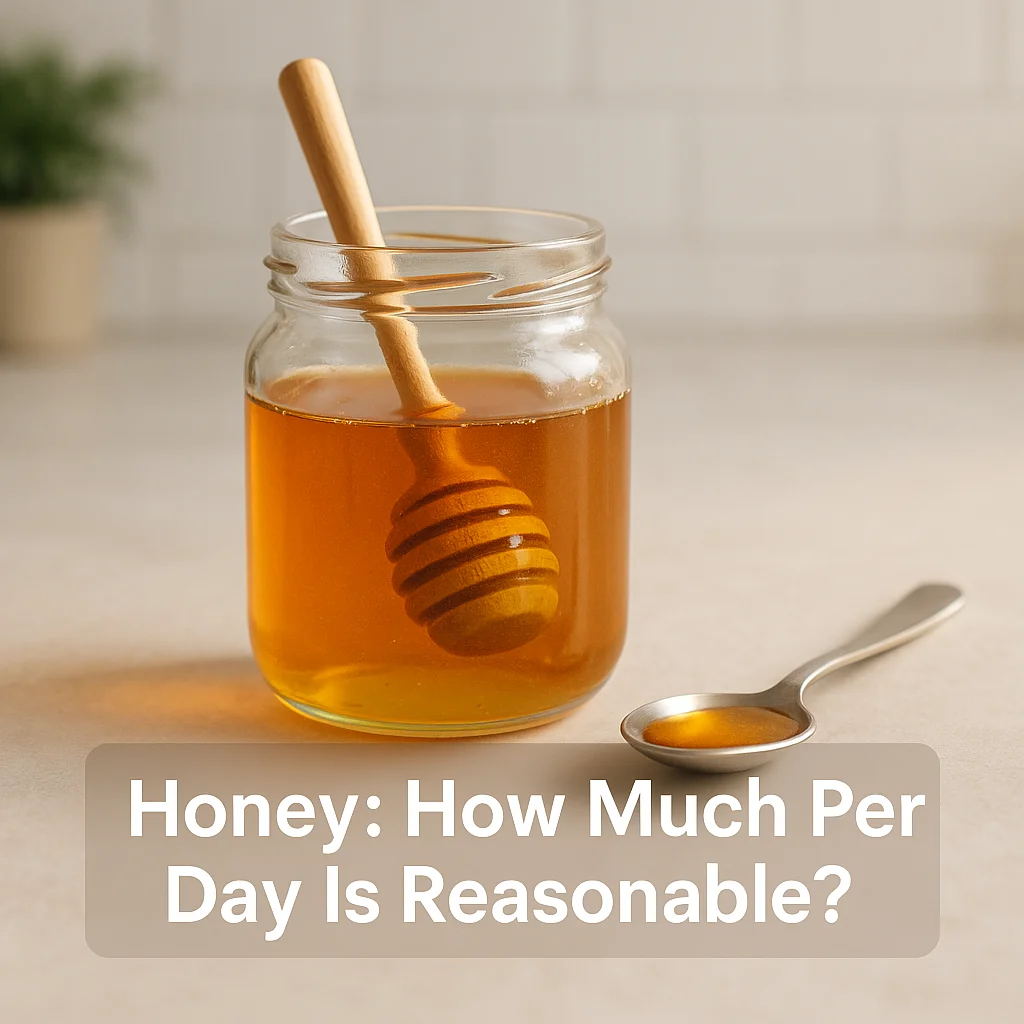
🥗 Honey: How Much Per Day Is Reasonable?
✅ Key Takeaway
Consuming honey in moderation can be beneficial due to its natural sugars and antioxidant properties. However, it's important to maintain portion control to prevent excess calorie and sugar intake.
- Who it’s usually good for: Those looking for a natural sweetener alternative.
- Who should be cautious: Individuals with insulin sensitivity or diabetes.
- Best simple way to do it: Use honey to sweeten tea or drizzle over yogurt.
- Biggest mistake people make: Consuming large amounts due to its "natural" label.
- One practical “next step”: Swap out refined sugar with a smaller amount of honey in baking.
🧠 Why This Matters
In our quest for healthier lifestyles, many turn to honey as a natural sweetener. However, understanding its role in a balanced diet is crucial to avoid unintended health issues such as weight gain or blood sugar spikes.
Honey can provide immediate energy due to its simple sugars, and its unique flavor enhances dishes, making it a popular choice globally. But like any sweetener, moderation is key to maximizing benefits without downsides.
🔬 What the Science Says
Honey is primarily composed of fructose and glucose, offering a quick energy source that is rapidly absorbed. It also contains trace amounts of vitamins, minerals, and antioxidants that can contribute to overall health.
Research suggests that while honey has some health benefits, its high sugar content can impact blood sugar levels similarly to other sweeteners. Therefore, balance and portion control are essential, especially for those managing blood sugar levels.
Evidence is mixed on honey's long-term health impacts, largely depending on the amount consumed and individual health conditions.
⚖️ Benefits vs Downsides
- Benefits:
- Naturally sweetens food and drinks.
- Contains antioxidants that may support health.
- Offers immediate energy for physical activity.
- Can soothe sore throats when combined with warm drinks.
- Downsides/Cautions:
- High in calories and sugars, potentially leading to weight gain.
- May cause blood sugar spikes, particularly in sensitive individuals.
- Should be avoided by children under one year due to risk of botulism.
- Can contribute to dental issues such as cavities if consumed excessively.
🎯 The Best Way to Apply This
- Assess your overall sugar intake, including honey.
- Start with using a small amount of honey — about a teaspoon — to replace refined sugars in your habits.
- Combine honey with high-fiber or protein-rich foods to slow sugar absorption.
- Experiment with honey in different dishes to find where it's most beneficial.
- Monitor your body's response, particularly if you have conditions affecting blood sugar regulation.
⏰ Timing, Portions, and Frequency
Consider consuming honey in moderation, typically as a substitute for other sugars, such as a tablespoon (around the size of a thumb) per day, spread across different meals.
Enjoy honey with your morning oatmeal or in a mid-afternoon tea to help stabilize your energy levels, but avoid large quantities before bedtime to prevent energy spikes.
🤝 Best & Worst Pairings (Food Combos)
- Pairs well with:
- Whole grain toast for a balanced snack.
- Greek yogurt for a nutritious breakfast.
- Nuts for an energy-boosting snack.
- Be careful combining with:
- Sugary breakfast cereals, which can cause sugar overload.
- Sweets or desserts, which may increase calorie intake.
- Sugary drinks, leading to excessive sugar consumption.
🚦Who Should Be Careful
- People with diabetes or blood sugar management issues due to honey's sugary content.
- Those on weight management plans, given honey's calorie density.
- Children under one year, to prevent possible botulism.
- If unsure, ask a pharmacist/clinician.
🧩 Common Mistakes and Fixes
- Mistake: Consuming honey in large quantities because it's natural.→Fix: Use it sparingly as a part of your overall sugar tally.
- Mistake: Adding honey to already sugary foods.→Fix: Pair it with whole foods like oatmeal or yogurt.
- Mistake: Assuming all honey is equal.→Fix: Choose raw or local honey for potential nutrient benefits.
- Mistake: Using honey as a throat remedy for infants.→Fix: Consult a pediatrician before giving honey to young children.
- Mistake: Not recognizing its effect on blood sugar.→Fix: Monitor intake and pair with foods that help stabilize blood sugar.
- Mistake: Overestimating honey's health benefits.→Fix: Integrate honey within a balanced diet, focusing on overall nutrition.
📋 Quick Checklist
- Swap refined sugar with honey in baking.
- Add a teaspoon to your morning tea.
- Monitor portion size: aim for a thumb-sized amount daily.
- Enjoy with oatmeal or yogurt.
- Avoid giving to infants under one year.
- Choose high-quality, raw honey when possible.
- Be mindful of total daily sugar intake.
- Consider honey's caloric content in weight management.
- Pair with protein and fiber for balanced energy.
- Consult with health professionals if you have concerns.
📌 Summary
- Honey is a natural sweetener but should be consumed in moderation.
- Using honey responsibly can offer flavor and minor health benefits.
- Be cautious of its impact on blood sugar and caloric intake.
- A teaspoon daily is a reasonable amount for adding sweetness.
- Monitor your overall sugar intake from all sources, including honey.
- Enjoy honey with balanced food pairings to maintain stable energy levels.
- Recognize that while natural, honey has potential downsides similar to sugar.
- Children under one year should avoid honey due to safety concerns.
- Experiment with honey to find balance in its use within your diet.
- Keep taste and nutrition in harmony for a healthy lifestyle.